Credit Card vs Debit Card: Which One to Use When
6 June 2026 · BestCard Editorial Team
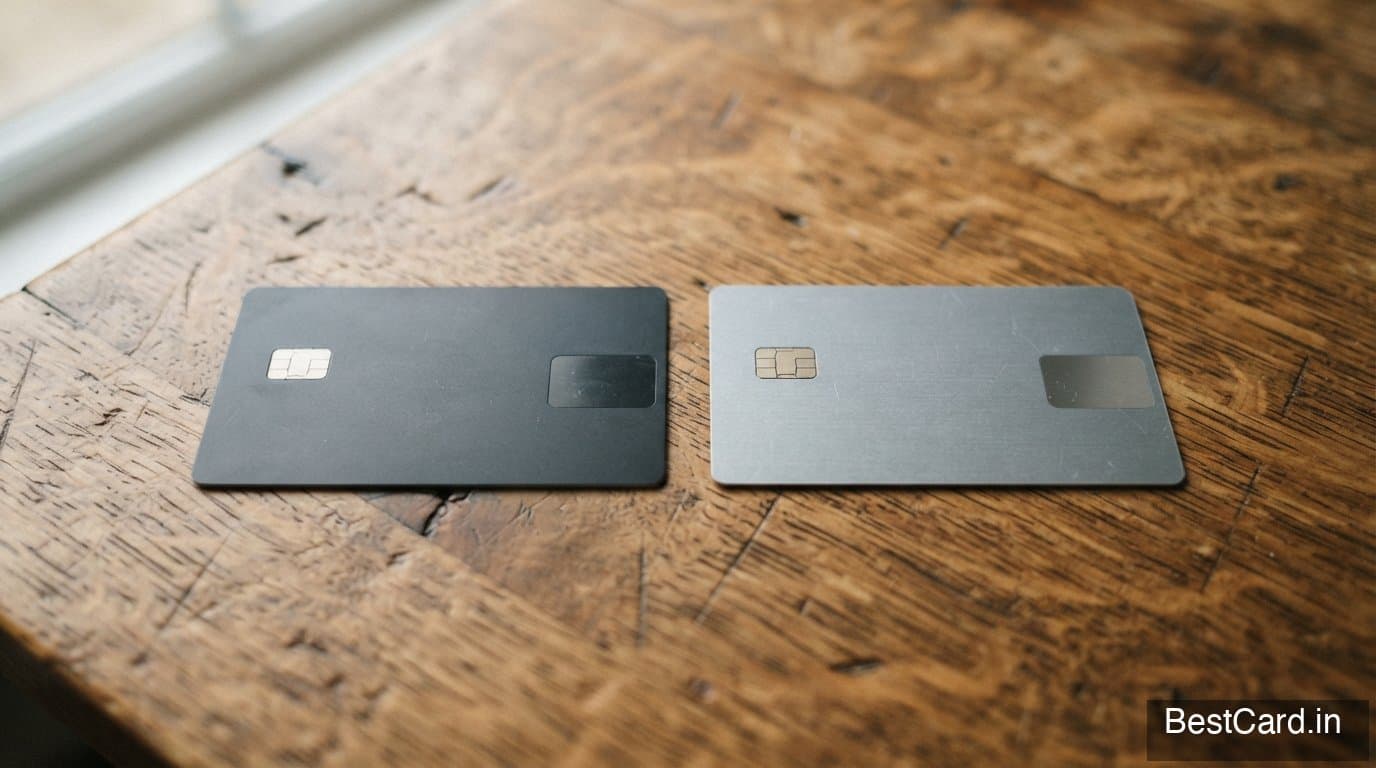
A debit card and a credit card can look nearly identical and sit in the same wallet slot, but they work on fundamentally different mechanics — one spends money you already have, the other spends money you're borrowing until the statement due date. That difference decides which one you should reach for in most situations, not personal preference.
Fraud protection is the biggest practical difference
If a debit card is compromised, the fraudulent charge comes directly out of your bank account, and getting it reversed means waiting on your bank's investigation while that money is simply gone from your balance in the meantime. A credit card transaction is a claim against the bank's money, not yours — disputing a fraudulent charge means you were never actually out of pocket while it's investigated. For any online purchase, especially with a merchant you haven't used before, a credit card is the safer instrument by a wide margin.
Credit cards build a credit history, debit cards don't
Every on-time credit card payment gets reported to credit bureaus and builds the track record lenders check before approving a loan, a higher card limit, or even some rental applications. Debit card usage, no matter how frequent or responsible, does nothing for this history since there's no borrowing involved. If you're trying to build credit for future needs, a debit card can't substitute for a credit card no matter how disciplined your spending is.

When a debit card is the better call
Debit cards make more sense for spending you want hard-capped at what's actually in your account — useful if you're prone to overspending on credit, or budgeting tightly for a specific period. There's also no annual fee, no interest risk, and no temptation to carry a revolving balance, which is a real advantage for anyone who hasn't yet built the discipline to pay a credit card statement in full every month.
The middle ground: use both, deliberately
The strongest setup for most people is a credit card for planned spending — where you already know you can pay it off — paired with a debit card as a backstop for cash withdrawals or spending you deliberately want capped. Using a credit card doesn't require carrying a balance; paying it off in full each month gets you the fraud protection and credit-building benefit with none of the interest cost.
Where to go from here
If you're ready to get your first credit card, our guide to choosing your first credit card walks through the basics, and our guide to comparing credit cards can help you shortlist one once you've decided a credit card is the right tool for the spend.