
IndusInd vs HSBC Credit Cards: One Big Cashback Card Against a Wider Shelf
8 November 2026 · BestCard Editorial Team
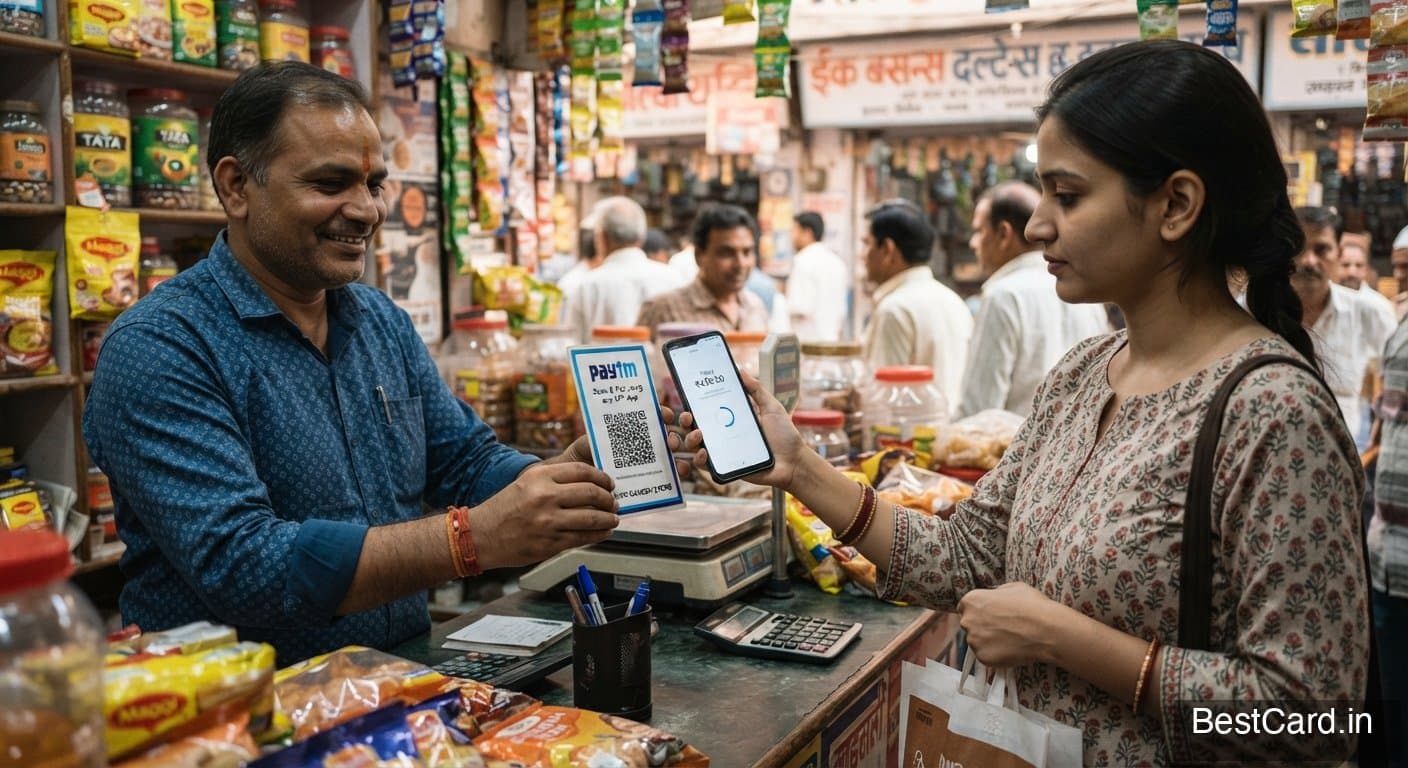
HSBC India has fewer cards than IndusInd, but two of them are sharp: Live+ for cashback and TravelOne for transferable miles. IndusInd has the longer shelf, with more price points and a lifetime-free Priority Pass card. The choice comes down to whether your spending fits one of HSBC's two strong products.
Everyday cashback
HSBC Live+ is the stand-out. It sits on the Visa Infinite network at a ₹999 annual fee, waived at ₹2 lakh, and pays 10% on dining, groceries, utilities and online shopping, capped at ₹1,200 a month per category, with Amazon, Flipkart and Myntra excluded. Forex markup is 1.99% and income needed is ₹100,000 a month. Read our HSBC Live+ review.
IndusInd has nothing as strong in plain cashback. The Pinnacle pays 5% on online shopping, and the CRED IndusInd RuPay pays 5% online for ₹499. HSBC leads.
RuPay and UPI
HSBC's RuPay Cashback costs ₹499, waived at ₹2 lakh, and pays 10% on dining and groceries with a ₹400 monthly cap; income needed is ₹30,000. See the HSBC cashback card review. IndusInd's Platinum RuPay earns double points on UPI and Samman RuPay is ₹199 for government employees. HSBC's 10% is higher, but its cap is low, so weigh the monthly ceiling against your grocery bill.
Travel cards
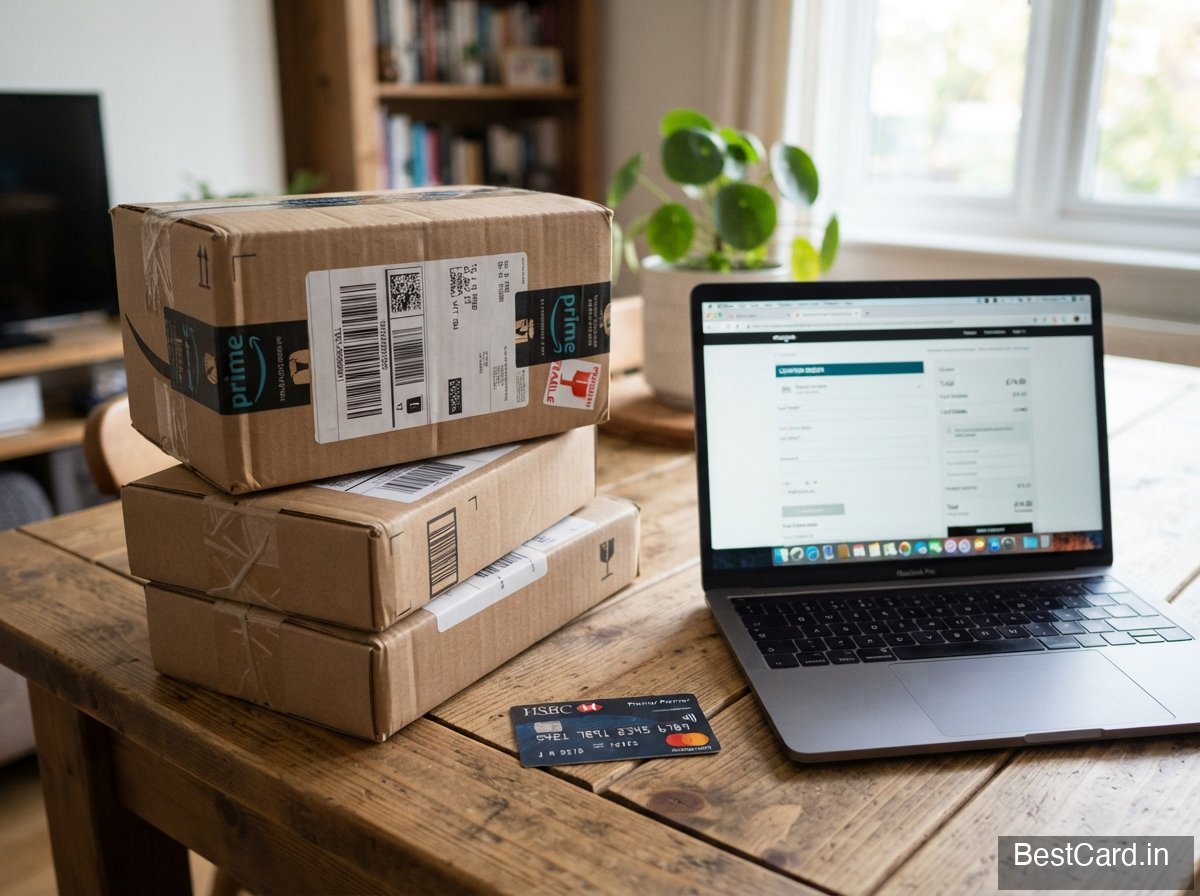
HSBC TravelOne costs ₹4,999, waived at ₹8 lakh, with 4 international and 6 domestic lounge visits a year, 4% on travel, and 1:1 transfers to 14+ airline partners. Forex markup is 3.5%.
IndusInd's Avios card charges ₹5,000 a year, with 2 international lounge visits per quarter and a 1.5% forex markup, but needs ₹200,000 monthly income. The Legend is more accessible: a ₹5,000 joining fee, no annual fee, Priority Pass to 600+ lounges, and 1.8% forex. For airline miles transfers, TravelOne; for lounge access and lower forex, IndusInd.
Lifetime-free options
HSBC offers Visa Platinum and RuPay Platinum, lifetime-free entry cards whose value is the fuel surcharge waiver and a ₹250 quarterly contactless fuel cashback. Base rewards are low. IndusInd's Tiger is lifetime-free with 2 international lounge visits a year and a 1.5% forex markup. For a no-fee card, IndusInd gives you more.
Private-banking-tier cards
HSBC Premier costs ₹20,000 a year with 0.99% forex and income needed of ₹300,000 monthly; Taj and Privé go higher still, the latter by invitation. IndusInd's Crest, Indulge and Celesta fill the same shelf at lower published fees: Celesta is ₹25,000 to join and ₹5,000 a year. For Indian affluent customers who do not hold HSBC Premier banking, IndusInd is easier to reach.
Which one to pick
Choose HSBC if dining, groceries and utilities are your biggest spends and you can live with caps. Choose IndusInd if you want lounge access without an annual fee, or a path up to a premium card.
Further reading
The IndusInd Bank credit cards guide and the HSBC credit cards guide list every card. To see how HSBC's cashback stacks up against a big-bank rival, read HSBC Live+ vs SBI Cashback.
Related reading
- HDFC vs HSBC Credit Cards: HSBC Live+ and TravelOne Against HDFC's Full Ladder
HSBC India lists eight cards, and only Live+ and TravelOne are practical for most buyers. HDFC covers every tier. A comparison of cashback, travel and premium cards.
- ICICI vs IndusInd Credit Cards: Pay Once Up Front or Pay Every Year
IndusInd charges a big one-time fee and nothing after, ICICI bills annually. We test that gap on premium cards, forex rates, fuel co-brands and the top shelf.
- AU Bank vs HSBC Credit Cards: 12% on a Cap or 10% With a Bigger Budget
AU's CheQ and LIT lead on headline RuPay cashback; HSBC Live+ and TravelOne cost more and need higher income. See which suits your monthly spend.