AI and Biometrics: The Future of Credit Card Fraud Prevention
12 August 2026 · BestCard Editorial Team

Fraud prevention on credit cards used to mean a fixed set of rules — flag a transaction if it's above a threshold, flag it if it's in a new country, ask for an OTP either way. That approach catches obvious fraud but misses patterns a static rule can't see. AI-driven detection and biometric authentication are now doing the work rule-based systems couldn't, and cardholders are seeing the effects without always knowing why.
What AI-based detection actually does differently
Instead of a fixed threshold, machine learning fraud models score every transaction against your own historical spending pattern in real time — where you usually shop, what times you transact, typical amounts, even device and location patterns. A ₹500 purchase that looks completely normal for one cardholder can get flagged for another if it doesn't match their pattern, and a ₹50,000 purchase can sail through unflagged if it fits an established routine. This is why some transactions now get approved instantly with no OTP at all, while others trigger extra verification even under the usual threshold — the model is making a real-time risk call, not just checking a fixed rule.
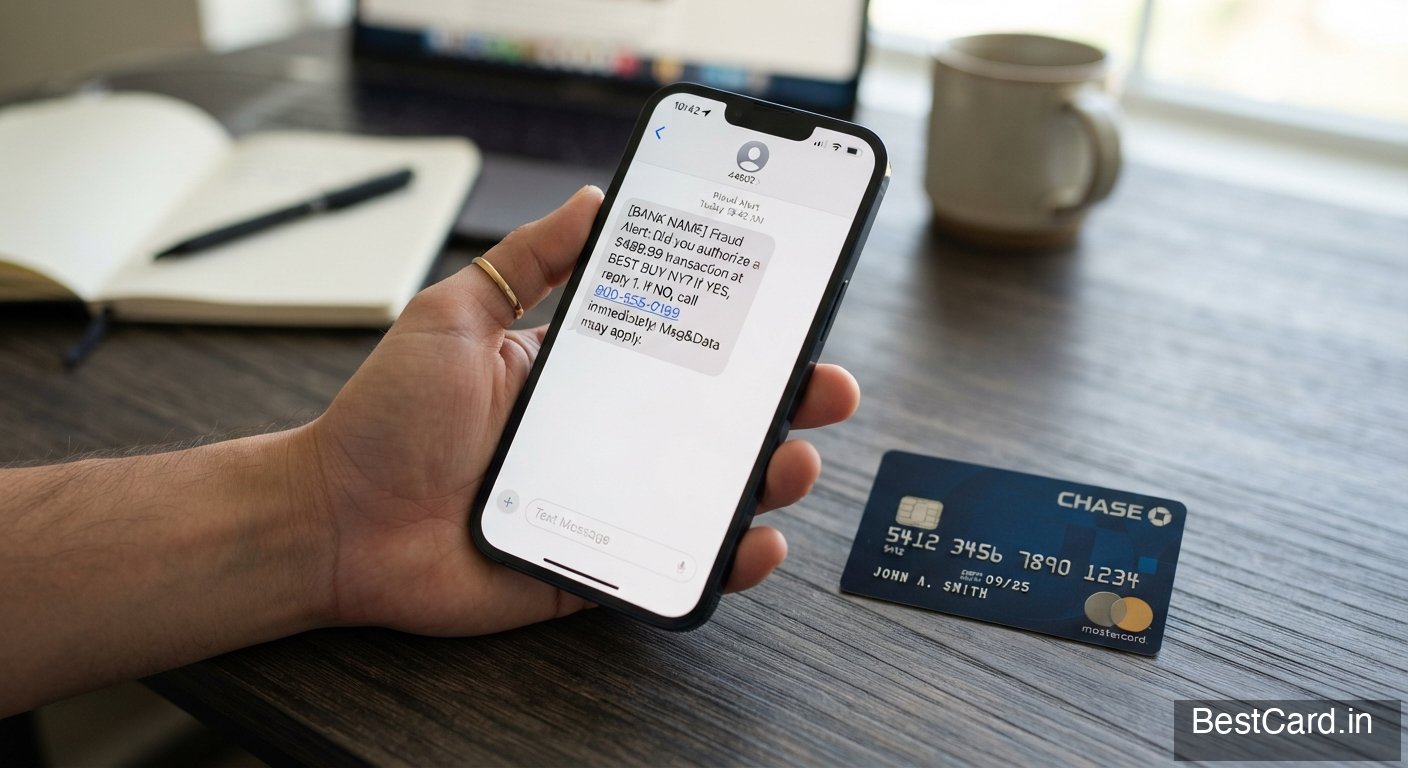
Where biometrics fit in
Fingerprint and face-based authentication are increasingly used as a second factor in place of, or alongside, OTPs — particularly for in-app card management, high-value transactions, and physical point-of-sale terminals rolling out biometric card readers. The advantage over an OTP is that a biometric can't be intercepted the way an SMS-based OTP theoretically can, and it doesn't depend on network reliability to arrive in time. It's a stronger factor, not a replacement for the layered 2FA approach already in place — see new 2FA security rules for how that layering works.
What this means for you as a cardholder
You may notice fewer OTP prompts on transactions that clearly match your usual pattern, and more friction on ones that don't — that's the model working as intended, not a bug. If you travel or make an unusually large purchase, expect extra verification even if you've never had it before, since the model is reacting to the deviation from your normal pattern rather than the transaction in isolation.
Where to go from here
Read credit card fraud protection tips for the protections you control directly, and new 2FA security rules for how authentication requirements are evolving alongside this.