Credit Card Fraud Protection in India: What to Check and What to Do
14 May 2026 · BestCard Editorial Team

Credit card fraud in India usually isn't the dramatic cloned-card scenario people picture — it's far more often phishing links, fake customer care calls, or OTP-sharing scams. Understanding how these actually work is more useful than any generic "be careful" advice.
The most common fraud patterns
Phishing SMS and WhatsApp messages pretending to be your bank, asking you to "verify" your card by clicking a link, remain the most common entry point. Fake customer care numbers found through a Google search (rather than your card's official number) are another frequent trap — scammers buy ads or seed fake numbers that outrank the real support line. And OTP-sharing scams, where someone convinces you to read out an OTP over a call claiming to be resolving a "failed transaction" or "reward redemption," are still surprisingly effective despite years of awareness campaigns.
The single most reliable defense across all of these: your bank will never ask you to share an OTP or full card number over a call or message. Any request to do so, regardless of how official it sounds, is fraud.
Zero liability policies — what they actually cover
RBI mandates zero liability for the customer in specific situations — primarily when the fraud results from a bank-side security lapse, or when you report an unauthorized transaction within three working days of receiving notification of it. If you report between four and seven working days, liability is typically limited rather than zero. Beyond seven days, liability is determined by the bank's board-approved policy, which can mean you bear more of the loss. This is why speed matters more than almost anything else once you notice a suspicious transaction.
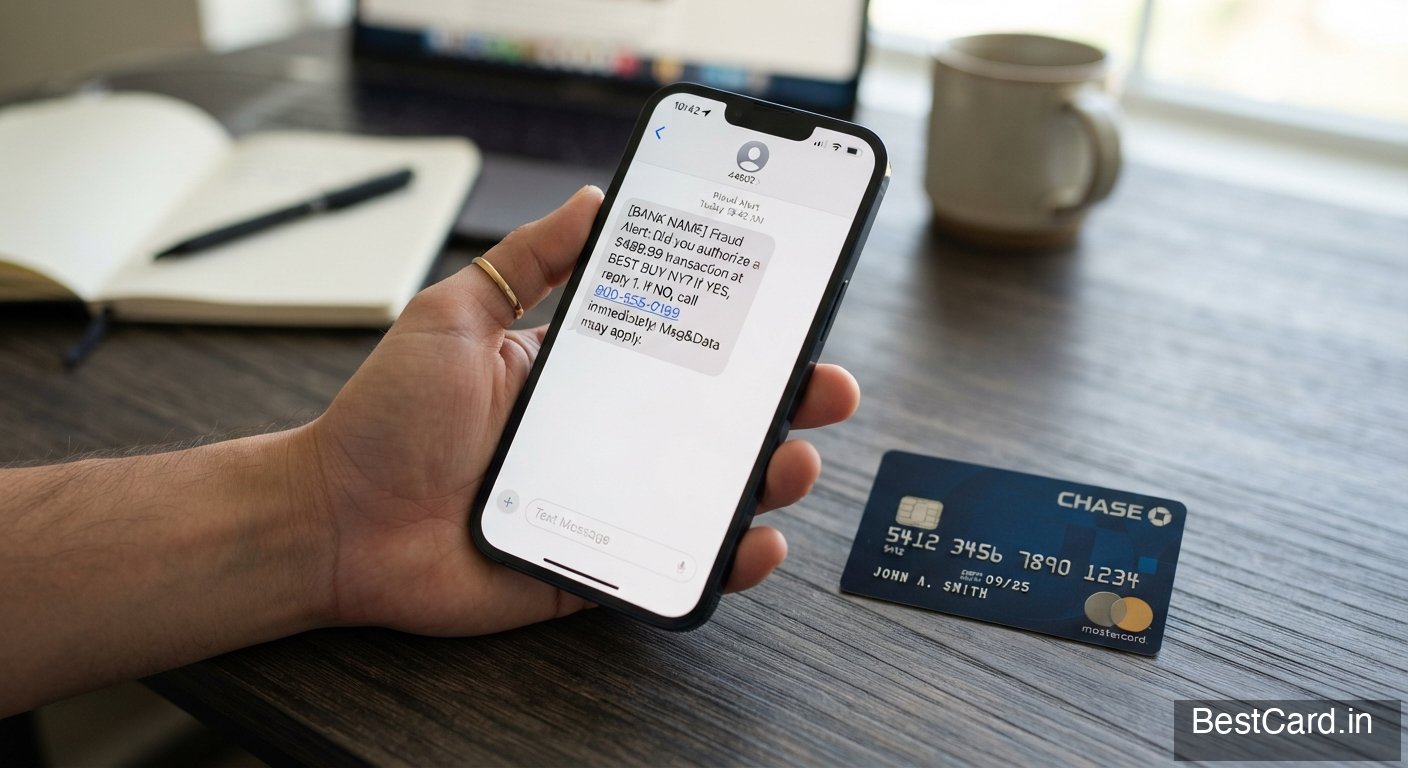
What to do immediately if you're compromised
Block the card instantly through your bank's app, the official helpline, or SMS-based blocking — every major issuer supports at least one of these without needing to speak to an agent. Then report the fraudulent transaction formally through the bank's dispute process, in writing where possible, and follow up with a police complaint or cybercrime portal report (cybercrime.gov.in) if the amount is significant, since some bank disputes ask for this as supporting documentation. Keep records of when you reported it — the RBI timeline above is measured from your report, not from when the fraud happened, so a documented report date protects you.
Everyday habits that actually reduce risk
Set transaction alerts for every spend, not just above a threshold, so you notice unusual activity immediately rather than at month-end statement review. Use virtual card numbers or single-use card details for online shopping where your issuer supports it. And avoid saving full card details on unfamiliar shopping sites — stick to well-known platforms or use your card's tokenization feature where offered, which replaces your real card number with a token for online merchants.
Where fraud protection intersects with card choice
Some issuers offer stronger real-time fraud monitoring and faster dispute resolution than others, which is worth weighing alongside rewards when picking a card. SBI Card and Axis Bank credit cards both offer app-based instant card blocking and real-time transaction alerts as standard, which is worth confirming is switched on rather than assumed active by default.
Where to go from here
If a fraud dispute affects how you read your statement afterward, our guide to reading your credit card statement helps you spot discrepancies faster next time, and if you're building better card habits generally, credit card vs debit card covers why credit cards actually offer stronger fraud protection than debit by design.