Best Low Annual Fee Credit Cards in India
3 September 2024 · BestCard Editorial Team
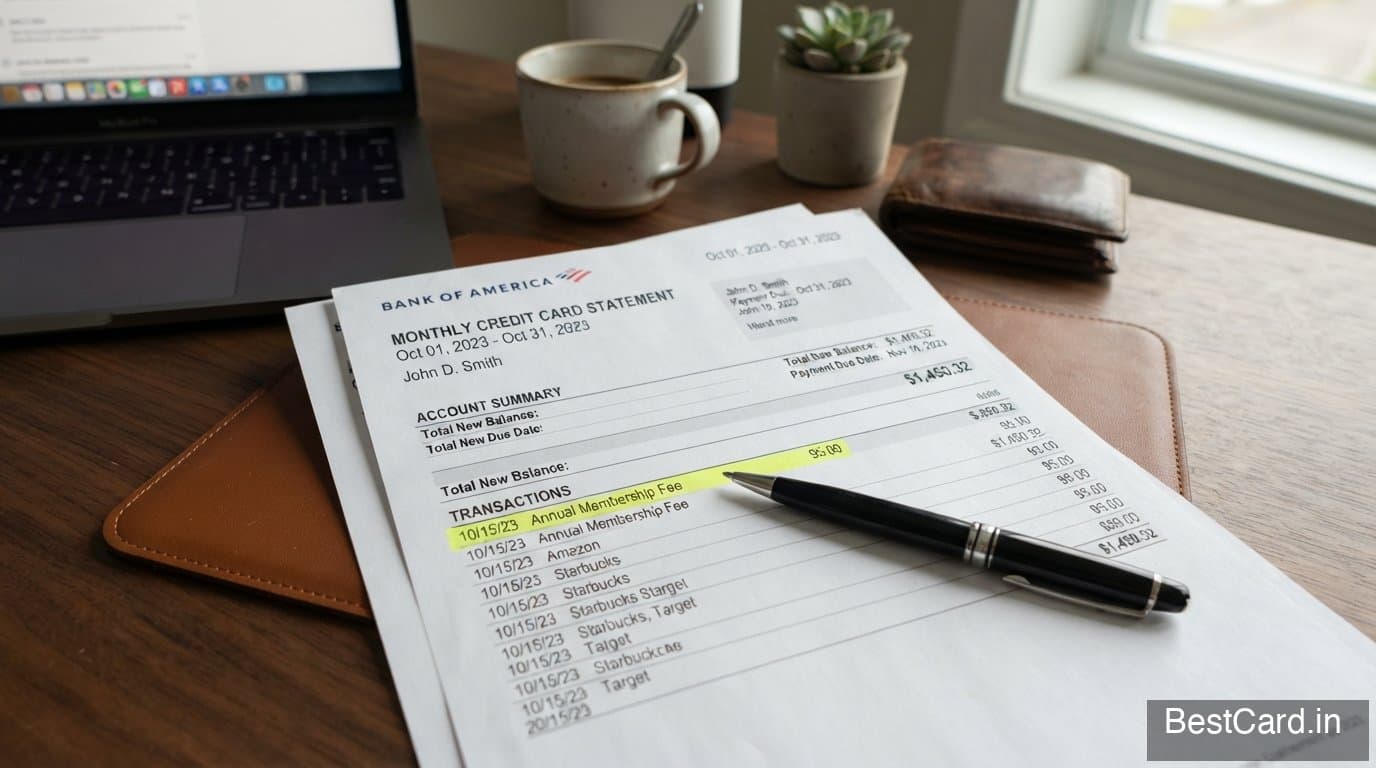
Lifetime-free gets all the attention, but a card charging ₹500-₹1,500 a year isn't automatically a worse deal. If the fee is small and the card's reward rate or benefits clear it easily, you come out ahead of a free card with a lower earn rate. The trick is knowing which low-fee cards actually clear that bar and which ones just charge you for the same thing you'd get free elsewhere.
What counts as "low" here
This isn't about no-annual-fee cards — that's a separate category with its own trade-offs. This is the ₹500-₹1,500 band: cards that charge something, but not the ₹3,000-₹10,000+ premium-card range. In that band, the fee is usually justified by a reward rate 0.5-1 percentage point higher than the issuer's free equivalent, plus a first-year waiver or a renewal waiver on a modest annual spend, often ₹1-2 lakh, which most regular users clear without trying.
Do the math before you assume it's worth it
A ₹999 annual fee needs to be offset by extra rewards, not just accepted on faith. If a low-fee card earns 1.5% cashback versus a free card's 1%, you need to spend roughly ₹2 lakh a year for that 0.5% difference to cover the fee — below that, the free card wins. Above it, the fee card pulls ahead every year after. Check your last few months of statements before deciding rather than guessing at your annual spend.

Renewal waivers make the fee mostly theoretical
Most low-fee cards waive the renewal fee once you cross a spend threshold in the previous year, so if you're already a moderate spender, you may end up paying the fee only in year one, if at all. This is worth confirming at application time — our annual fee waiver guide walks through how these thresholds work and what happens if you miss one by a small margin, since some issuers prorate and others don't waive at all that cycle.
When the fee isn't worth it
If your spending is irregular or genuinely low, a ₹999 fee you can't offset through rewards or a waiver is just a cost with nothing behind it — go with a no-annual-fee card instead. The same logic applies if you're choosing your first credit card and don't yet have a clear read on your own spending pattern; it's easier to start free and move to a fee-bearing card once you know your numbers.
Issuers with solid low-fee options
SBI Card and Axis Bank Credit Card both run entry-to-mid tier cards in the ₹500-₹1,500 range with spend-based renewal waivers, and they're worth comparing directly against their free equivalents rather than assuming the paid version is automatically better — check our SBI credit cards guide for the specific variants and their waiver thresholds.
Where to go from here
Once you've picked a low-fee card, reward points vs cashback is worth reading to make sure the earn structure actually matches how you spend, and milestone benefits can add further value on top of the base rate if you're tracking annual spend anyway.