Credit Card Auto-Debit Failure: What It Actually Costs You
2 April 2026 · BestCard Editorial Team
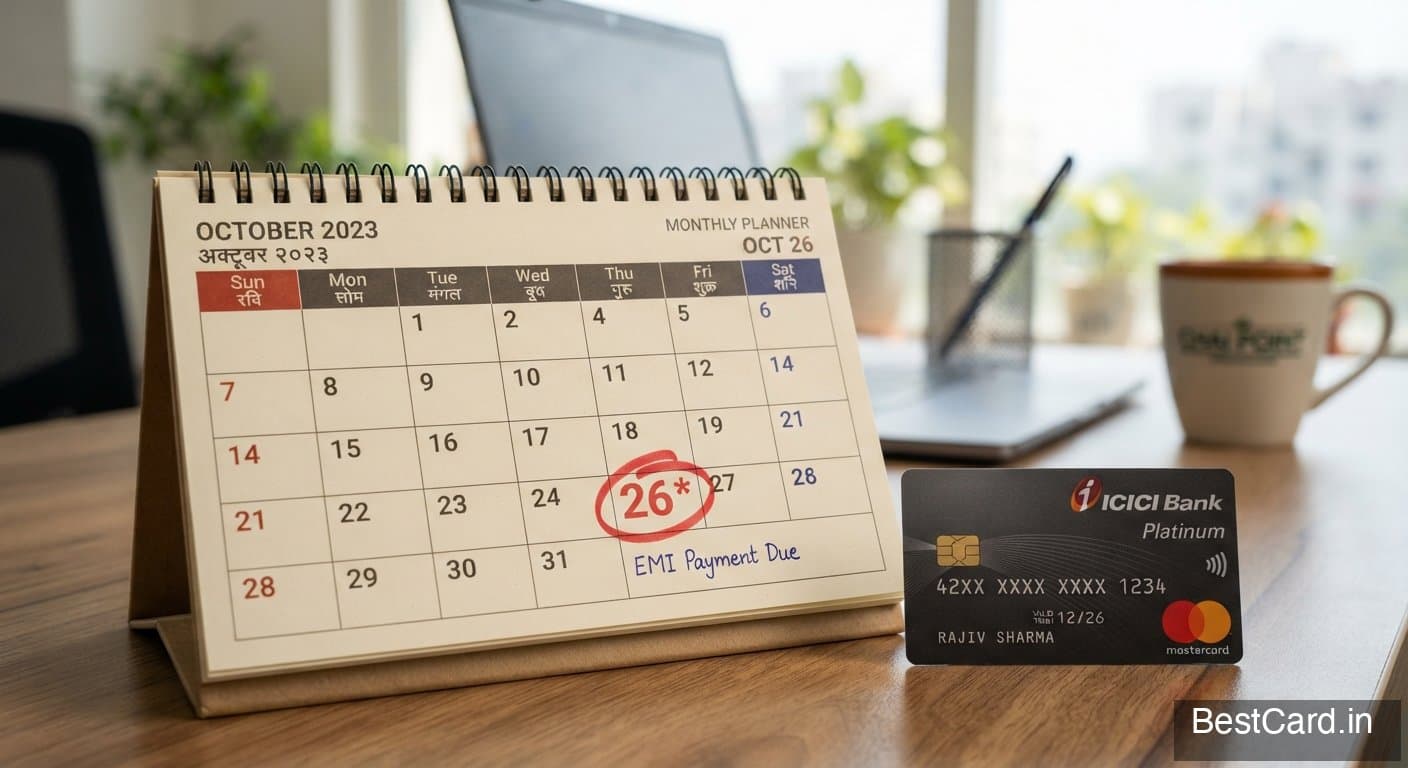
An auto-debit failing on your credit card feels like a minor inconvenience until you see the fee, the missed subscription, and — in the worst case — a dent to your credit report from a bill that technically never got attempted twice. Standing instructions on credit cards are governed by a specific set of RBI rules that most cardholders only learn about after something has already gone wrong.
What an auto-debit on a credit card actually is
A standing instruction — commonly called an e-mandate — is a pre-authorised recurring charge that a merchant is allowed to debit from your credit card automatically, without you approving each individual transaction. This covers OTT subscriptions, SIP-linked card debits, insurance premiums, SaaS tools, and increasingly, EMI-style recurring charges. Since 2021, RBI has required that every new e-mandate be confirmed with an additional factor of authentication the first time it's set up, and mandates above ₹15,000 require a fresh OTP confirmation for each individual debit rather than running silently in the background.
Why auto-debits fail
The most common failure reasons, roughly in order of frequency, are: insufficient available credit limit at the time of the debit attempt, a card that's expired or been reissued with a new number since the mandate was set up, a token that wasn't refreshed correctly after RBI's tokenisation mandate changed how merchants store your card details, or the mandate simply exceeding the ₹15,000 additional-factor-authentication threshold without you completing the OTP step in time. A card that's been blocked for suspected fraud or temporarily frozen by you will also silently fail every mandate running against it until unblocked.

What it costs when a debit fails
Most issuers charge a dedicated "auto-debit reversal" or "ECS/mandate failure" fee, typically in the ₹350–₹750 range per failed attempt, separate from and in addition to any late payment fee if the failed debit was meant to cover your statement due amount. If the auto-debit was set up specifically to pay your credit card bill in full each month (a common setup for cardholders who want to avoid ever missing a due date) and it fails, you don't just lose the convenience — you lose the grace period, get hit with interest from the transaction date on all purchases, and risk a late payment mark if the shortfall isn't cleared before the due date. That compounding effect is what makes a single failed auto-debit meaningfully worse than it looks on paper — see credit card late payment consequences for exactly how a missed due date escalates.
There's also a second-order cost that's easy to miss: many merchants (especially OTT and SaaS platforms) will suspend your subscription or service immediately on a failed charge, sometimes before you've even been notified, and reinstating it can mean losing any grandfathered pricing or plan you were on.
Why insufficient limit is the most avoidable cause
If you're running your card close to its limit for utilization ratio reasons or general spending discipline, a scheduled auto-debit can tip you over the available limit at the exact moment it's due to run — even if you'd have had room a day earlier or a day later. Auto-debits don't get priority queuing or grace on limit; if the available credit isn't there the moment the mandate executes, it simply fails, no retry built in by default. Keeping 10–15% of your limit deliberately unused around known auto-debit dates is a simple habit that avoids this entirely.
The e-mandate authentication rule that trips people up
Because mandates above ₹15,000 need transaction-level OTP confirmation rather than running silently, cardholders who've forgotten they set up a large recurring charge (an annual insurance premium via card, for instance) are sometimes caught off guard when the debit doesn't go through automatically and instead sits waiting for an OTP approval that never came because they didn't realise action was needed. Checking your registered mobile number and email are current with your issuer matters here specifically — a stale contact detail means you never see the OTP prompt at all.
How to avoid failed auto-debits going forward
Keep your card's registered mobile number current, leave meaningful headroom under your credit limit around known mandate dates, and periodically check your issuer's app for a list of active standing instructions — most show upcoming mandate dates and amounts, letting you plan around them rather than being surprised. If a mandate is tied to your monthly credit card bill itself, it's worth cross-referencing against how your statement cycle works so the auto-debit date and your actual due date don't accidentally conflict.
What to do immediately after a failure
Pay the amount manually as soon as you notice the failure, well before the due date if it was a bill-payment mandate, to avoid the late payment and interest cascade. Then check with your issuer or the merchant whether the mandate itself needs to be re-established — a failure doesn't always mean the standing instruction is still active for next month; sometimes it gets cancelled after one or two failed attempts and needs to be re-authorised from scratch.
Where to go from here
For what a missed payment specifically does to your dues and credit report, read credit card late payment consequences. If tokenisation changes are the reason a previously-working mandate suddenly stopped, RBI's card tokenisation mandate explained covers exactly what changed. And to keep your limit headroom in check so mandates don't get starved of available credit, see credit card utilization ratio explained.