Is Credit Card Churning Worth It in India
10 August 2026 · BestCard Editorial Team
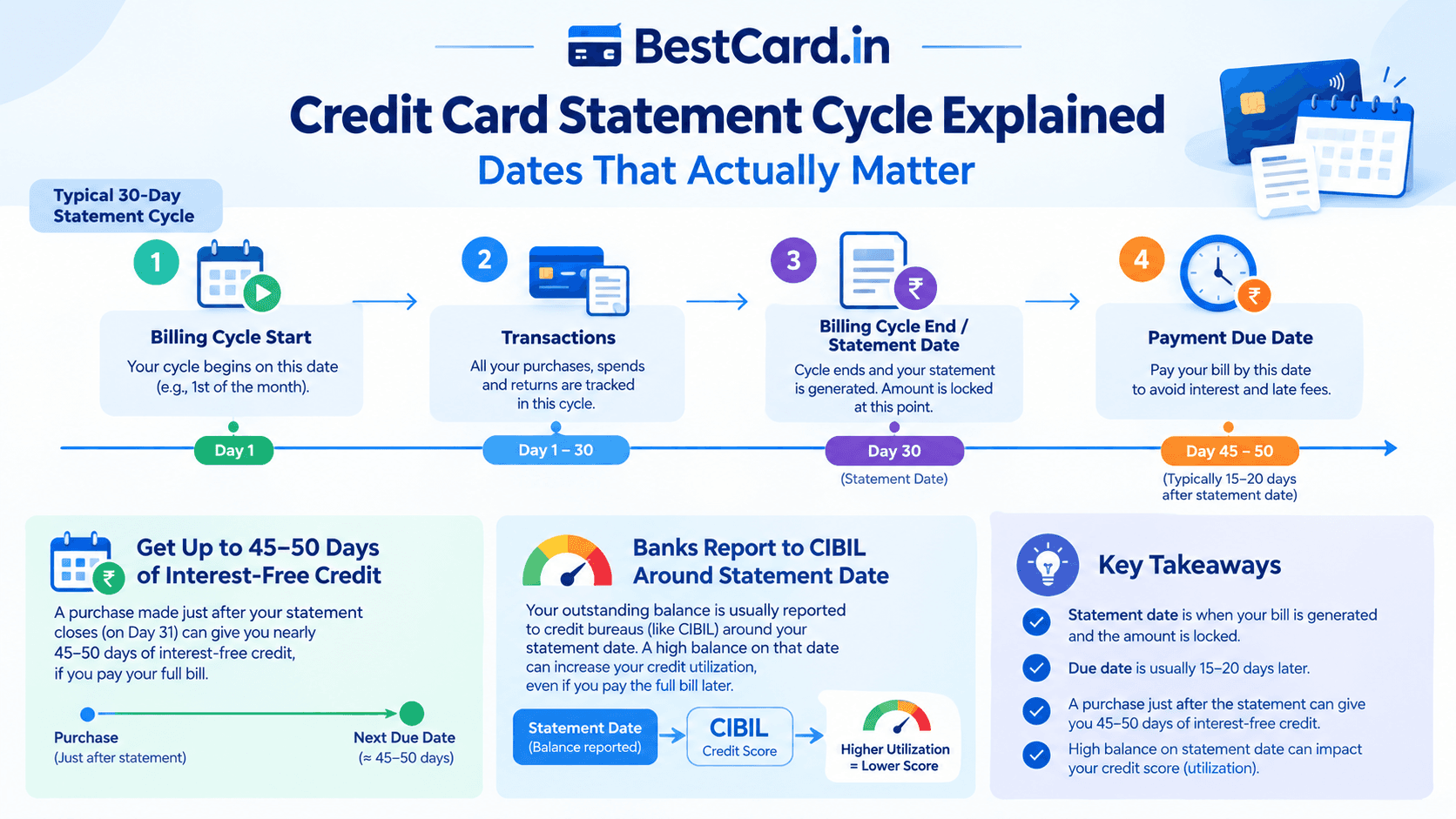
Credit card churning — the practice of opening cards specifically to capture welcome bonuses and then closing or downgrading them once the bonus is banked — is a well-established strategy in the US credit card scene. It exists in India too, but the math and the risks work differently.
Why the US churning playbook doesn't translate directly
US churning works because signup bonuses there are often large relative to the annual fee, and issuers rarely penalize you meaningfully for closing a card after a year. In India, welcome bonuses on most cards are more modest, application processes involve harder credit checks that leave a visible mark on your CIBIL report each time, and issuers are more likely to flag frequent applications and closures as a red flag on future applications. That said, some issuers do offer worthwhile welcome vouchers or bonus reward points genuinely large enough to be worth pursuing.
What legitimate opportunistic behavior looks like here
Rather than aggressive churning, the more sensible version in India is being selective about when you open a new card — timing it around a welcome offer that lines up with spending you were going to do anyway, like a big-ticket purchase or planned travel booking, rather than manufacturing spend purely to hit a bonus threshold. This is closer to smart multi-card strategy than to true churning, and it carries much less risk to your credit profile.
The real cost of frequent applications
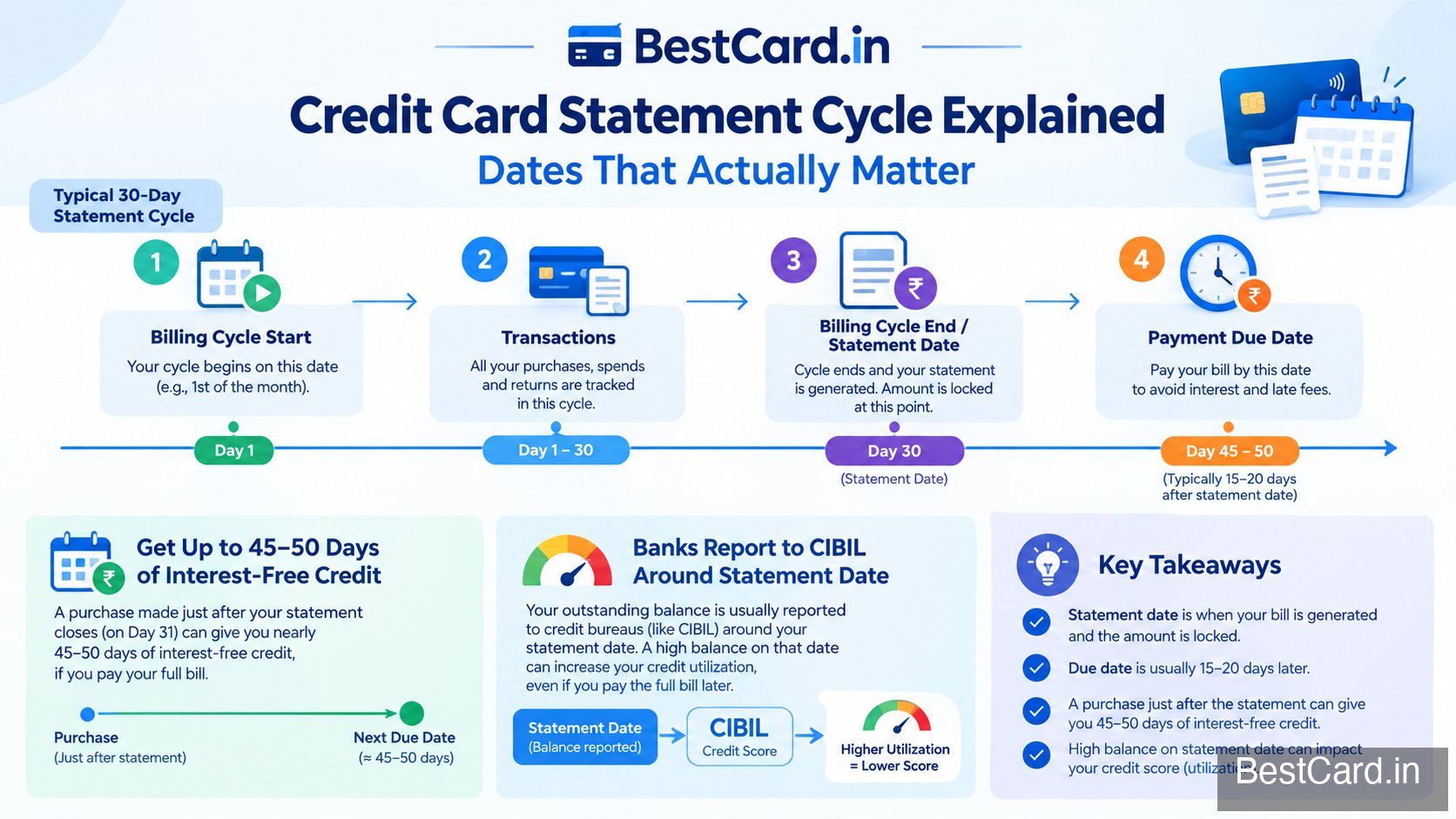
Every credit card application in India typically triggers a hard inquiry on your credit report, and a pattern of frequent applications and closures is something lenders can and do notice when evaluating you for a future loan or card, quite apart from any effect on your CIBIL score basics. If you're planning a major loan application — a home loan or car loan — in the near future, it's worth being especially conservative about opening or closing cards in the months beforehand.
When downgrading beats closing
If a card's annual fee has stopped being worth it but you don't want the credit history hit of closing the account entirely, downgrading to a no-fee variant of the same card is usually a better move than closing it outright — see our detailed comparison on downgrading versus canceling for how issuers typically handle this and what happens to your existing reward balance and credit line.
Who this strategy actually suits
Aggressive churning generally only makes financial sense for someone with a strong, stable credit history who can absorb the hard-inquiry hits without affecting near-term borrowing plans, and who has the discipline to actually track and close cards on schedule rather than letting annual fees renew unnoticed. For most people building or maintaining a straightforward credit profile, it's not worth the complexity for the modest bonuses available in the Indian market today.
The bottom line
Credit card churning as practiced in the US doesn't map cleanly onto the Indian market — the bonuses are smaller and the credit-report cost of frequent applications is higher. A more measured approach, opening cards only when a genuine offer lines up with real spending, captures most of the upside without the downside risk to your credit profile.