How to Close a Credit Card the Right Way in India
7 May 2026 · BestCard Editorial Team
Closing a credit card sounds like a simple administrative task, but done in the wrong order it can hurt your credit score, leave you liable for charges you thought were settled, or trigger a collections process over a small balance you didn't realize existed.
Clear the balance and any pending EMIs first
Before initiating closure, confirm your outstanding balance is fully paid, including any converted EMI transactions still running — issuers will generally refuse to close an account with an active EMI or unpaid balance, and if they don't refuse outright, any lingering dues after closure can quickly become a collections issue. Check your last two statements carefully for any pending refunds or reversals as well.
Redeem your reward points
Most issuers forfeit unredeemed reward points on account closure, so redeem or convert whatever you've accumulated before requesting closure. This is easy to forget and represents real value walking away for no reason.
Cancel autopay and linked subscriptions
Any UPI autopay, OTT subscription, or recurring bill linked to the card needs to be moved to a different payment method before closure, or those payments will start failing the moment the account closes — sometimes with a lag that causes confusing declined-payment notifications from unrelated services.
Request closure formally and get written confirmation
Submit the closure request through the issuer's official channel — app, net banking, or written request — rather than just stopping usage of the card. An unused but open account still counts against your total available credit for utilization purposes and can also be reactivated or charged fees if not formally closed. Always ask for written confirmation of closure with a reference number, since a dispute over whether a card was actually closed can otherwise be difficult to resolve later.
Think about the effect on your credit score
Closing a card reduces your total available credit, which can raise your utilization ratio on remaining cards even if your spending hasn't changed — this is one of the more common ways people accidentally hurt their score right after closing a card. It's worth reading our credit card utilization ratio explained guide before closing a card with a large limit, particularly if it's your oldest account, since account age also factors into your credit history length.
When closure makes sense anyway
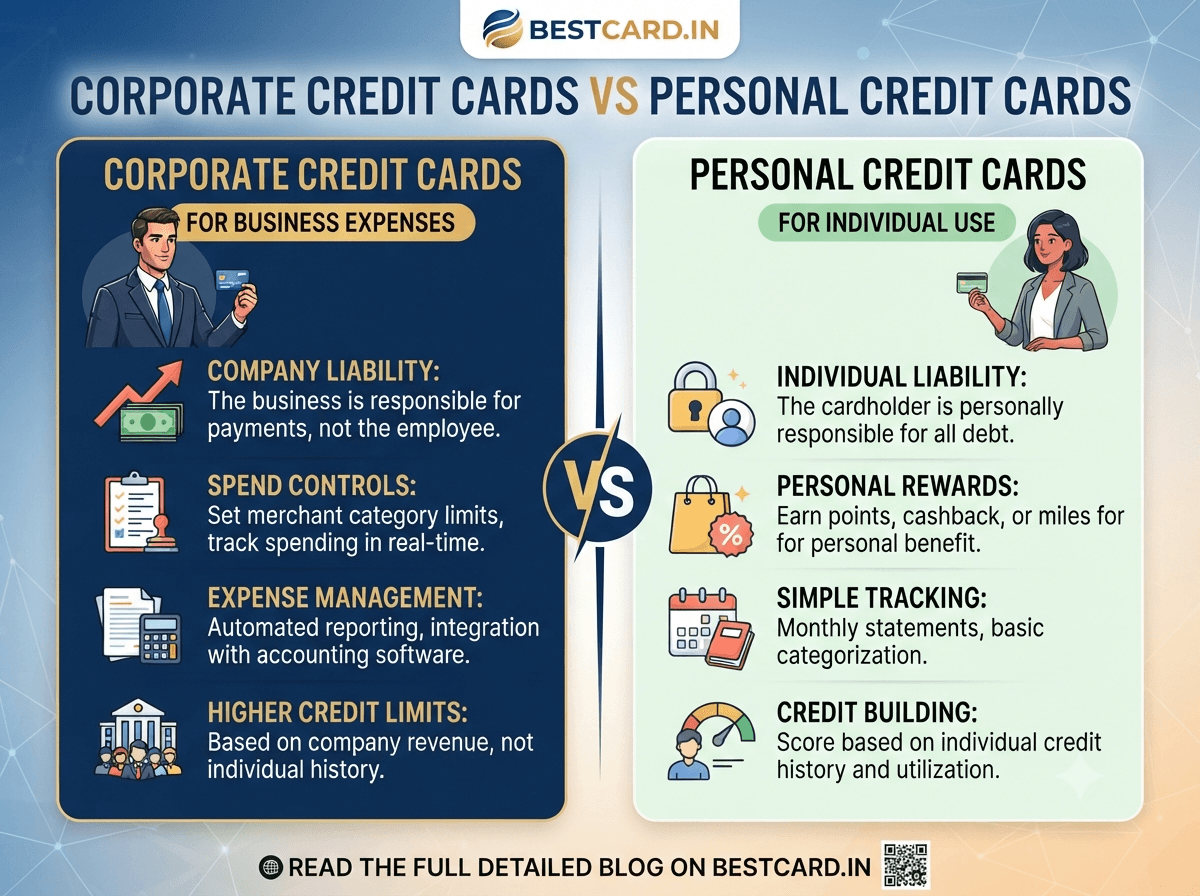
If the annual fee no longer justifies the benefits, or you're consolidating a personal card against a corporate card you now use for work spending, closure is often still the right call — just sequence it correctly rather than doing it in a rush.
The correct order
Clear all dues and EMIs, redeem points, move linked payments elsewhere, then request formal closure and keep the confirmation. Skipping any step in that order is where most closure headaches come from.