Digital Credit Card vs Physical Card: Which Should You Actually Use?
14 May 2026 · BestCard Editorial Team
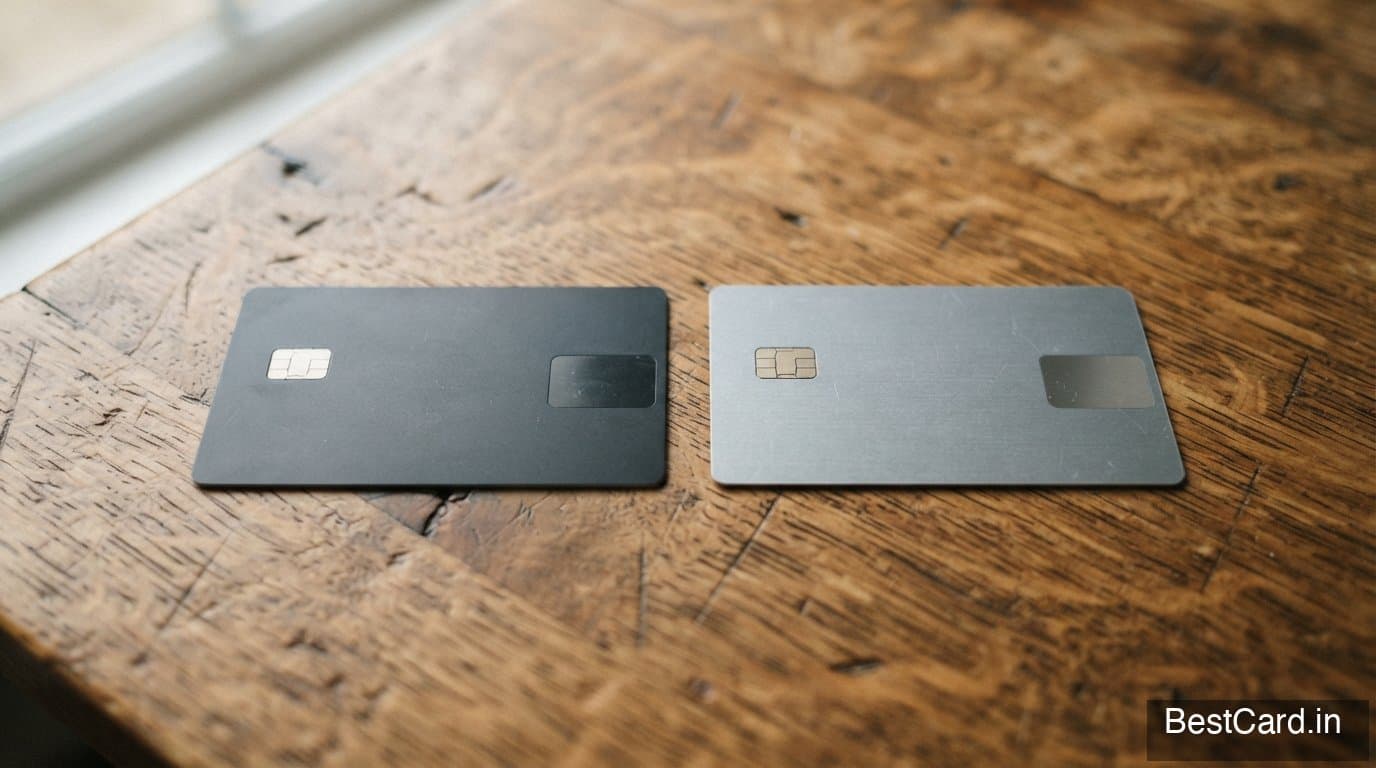
Approve a credit card application today and, with several issuers, you can be paying with it within minutes — not because a card arrived faster, but because it never needed to physically exist yet. Digital-first credit cards have gone from a niche feature to something most major Indian issuers now offer by default, and the choice between using the digital version and waiting for plastic is more consequential than it looks.
What a digital credit card actually is
A digital credit card is a fully functional card — real number, real CVV, real credit limit — issued and activated entirely within the issuer's app, usable immediately for online purchases, added to a mobile wallet for tap-to-pay, and usable for UPI-linked spending in some cases, all before a physical card has even been dispatched. It isn't a temporary placeholder; it's the actual account, just delivered digitally first. The physical card, when it arrives days later, is simply a second form factor tied to the same account and credit limit — not a separate card.
This is a direct product of RBI's card tokenisation mandate and the broader push toward device-bound, merchant-specific card credentials — a digital-first card leans entirely on tokenised, app-based issuance rather than a physical card number being the primary identifier.
Where digital-first cards shine
The obvious win is speed — approved and spending within the same session, versus 5–10 working days for physical card delivery in most cities, longer outside metros. This matters most for cardholders who applied for a card specifically to make a near-term large purchase, want to start building utilization history immediately, or simply don't want a dead week between approval and usability.
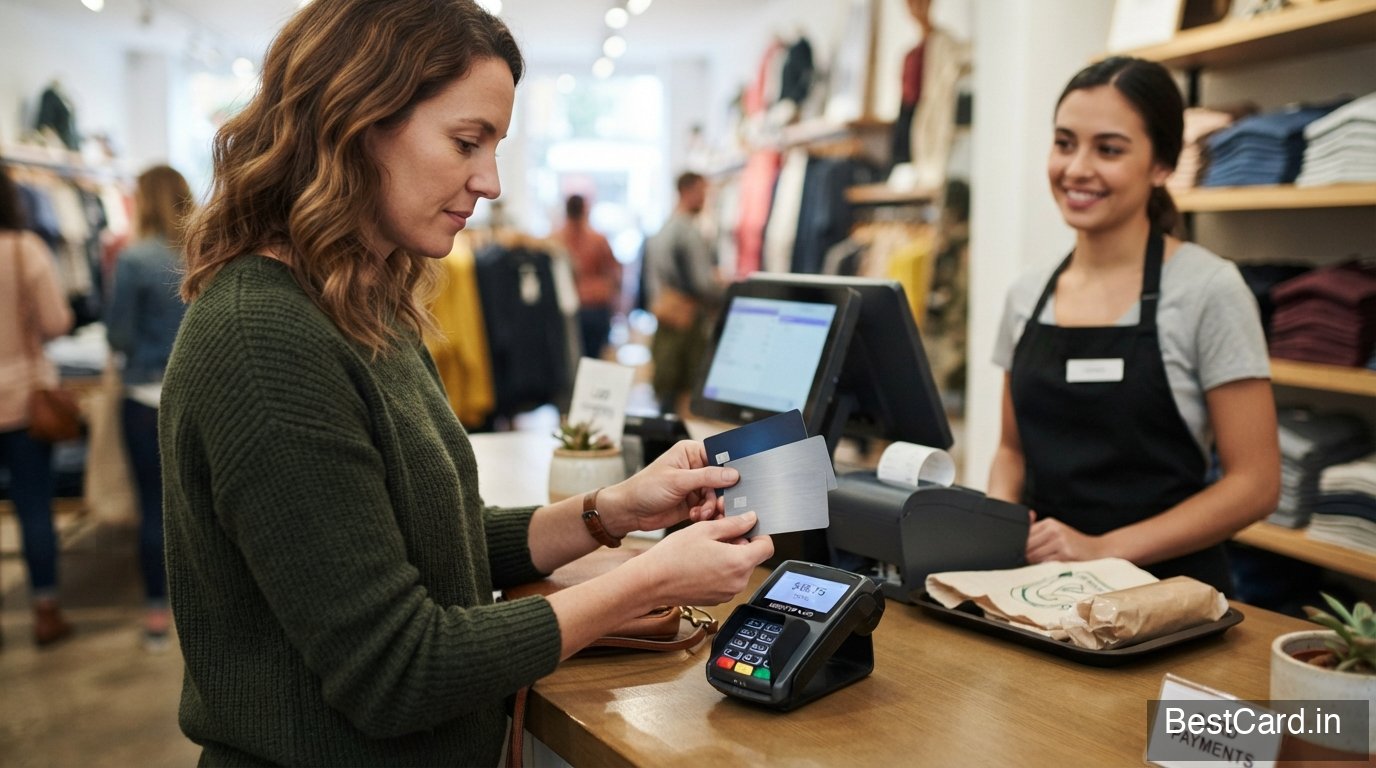
Digital cards are also inherently more tokenisation-friendly for online checkout — since the number lives natively in an app, it integrates cleanly with autofill and mobile wallets without you ever needing to manually type or photograph a physical card.
Where physical cards still matter
Contactless tap-to-pay at a huge share of offline terminals, and chip-and-PIN transactions generally, still assume a physical card in hand — a digital-only card loaded into a mobile wallet can often replicate this via phone-based NFC, but not universally, and not every small merchant's terminal accepts phone-based contactless the way it accepts a plastic card. If you rely heavily on offline spending — fuel, small retail, restaurants that haven't upgraded terminals — going digital-only leaves real gaps until the physical card arrives.
There's also a security argument for physical cards in specific situations: a lost phone with your card loaded into a wallet app is a different risk profile than a lost physical card, and while both are manageable via instant app-based blocking, some cardholders find a physical card easier to reason about for basic loss-and-replace scenarios.
Which Indian issuers do digital-first well
Most major private banks now issue a usable digital card within the approval flow rather than as an afterthought. Axis Bank's app is a strong example — Axis Bank's app issues a digital card instantly on approval for many of its card products, letting you start transacting online and add the card to a mobile wallet before the physical card ships. HDFC and ICICI both offer similar instant-digital-issuance flows for a growing share of their card portfolio, particularly for pre-approved and digitally originated applications. SBI Card has also moved toward faster digital issuance on several of its card lines, though the exact speed and card eligibility for instant digital activation varies by product and applicant profile — it's worth confirming at application time rather than assuming every card qualifies.
The catch: not every card or applicant gets instant digital issuance
Instant digital card issuance is typically reserved for pre-approved offers, digitally-originated applications, or existing-customer upgrades where the issuer already has your KYC on file. A fresh application requiring manual underwriting, income verification, or physical KYC still generally waits for approval before any card — digital or physical — becomes usable, so "digital-first" doesn't mean "verification-free." If you're weighing whether to apply digitally at all versus through a branch, how to improve your credit card approval chances covers what speeds up approval regardless of which format you eventually get.
Practical guidance: which to lean on
If you need a card fast for an imminent online purchase or subscription, apply with an issuer known for instant digital issuance and start using the digital card immediately rather than waiting. If your spending is mostly offline — small merchants, fuel, in-person retail — treat the digital card as a bridge and wait for the physical card to arrive before relying on the account for regular use. Either way, once the physical card arrives, it's worth confirming the CVV and expiry match what you've already been using digitally; in the rare cases they don't (a rebind or reissue between digital activation and physical dispatch), any digitally-saved merchant tokens will need to be refreshed.
Where to go from here
For how tokenisation underpins the digital-first issuance model, read RBI's card tokenisation mandate explained. If you're deciding between a credit card and a debit card as your primary instrument while you wait for either format to arrive, credit card vs debit card is a useful comparison. And for choosing which card to apply for in the first place, choosing your first credit card covers the fundamentals.