
HDFC Pixel Go Credit Card Review: A Plain 1% Card With a Very Low Entry Bar
31 May 2026 · BestCard Editorial Team
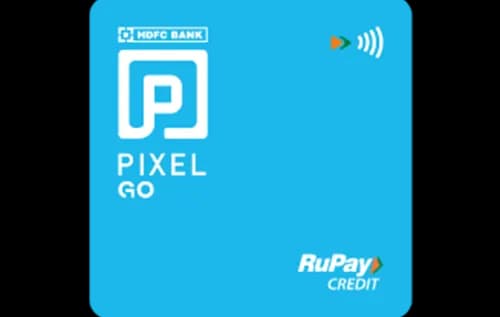
The HDFC Pixel Go Credit Card is the simpler sibling of Pixel Play. Where Play lets you pick bonus categories, Go pays a flat 1% cashback on everything, with no caps and nothing to choose. It's a digital RuPay card with a very low fee and income requirement, plus an FD-backed variant for people with no income proof or credit history at all. That accessibility is the whole point. As a rewards card it's ordinary, but as a way into the credit system, it's one of the easier doors to walk through.
Fees and eligibility at a glance
Pixel Go charges a ₹250 joining fee and a ₹250 annual fee, and the renewal fee is waived on ₹50,000 of annual spend. That's about ₹4,200 a month, low enough that a phone bill, a few grocery runs and the odd online order will get you there. The minimum monthly income is just ₹12,000, the age range is 21 to 60, and both salaried and self-employed applicants qualify.
The FD-backed variant matters for a specific group: students, homemakers, freelancers with irregular income, or anyone whose first credit card application has been rejected. Backing the card with a fixed deposit lets you build a repayment record from scratch, which is how you eventually qualify for better cards.
The welcome offer is a ₹500 instant credit when you spend ₹10,000 within 90 days of the card being issued. That's effectively 5% back on your first ₹10,000 and covers two years of the annual fee.
Rewards and how they actually work
Every purchase earns 1% cashback, uncapped, with no category list to track. It's credited automatically as statement credit with no redemption fee. Spend ₹15,000 a month and you earn ₹150 a month, or ₹1,800 a year, about seven times the annual fee.
There are two ways to do better than 1%. Bookings made through HDFC's SmartBuy portal can earn up to 5% cashback, so routing flights, hotels or vouchers through SmartBuy is worth the extra click. And the card gives 10% off restaurant bills and Swiggy Dineout orders, capped at ₹200, which means the discount maxes out on a ₹2,000 bill.
Because Pixel Go runs on RuPay, it can be linked to UPI for credit card payments at merchant QR codes. For someone new to credit, that's a practical way to put small daily spends on the card, earn 1% on them, and build a repayment history without having to change how they pay.
Fuel, cash and the small print
There's a 1% fuel surcharge waiver on fuel transactions between ₹400 and ₹5,000. Cash withdrawals cost 2.5% of the amount or ₹500, whichever is higher, and interest starts from the day of withdrawal with no interest-free period. There's no lounge access, no insurance and no travel perks.
How it compares with Pixel Play and Amazon Pay ICICI
HDFC Pixel Play is the obvious alternative. It costs ₹500 a year, waived at ₹1 lakh of spend, and asks for a ₹25,000 monthly income, more than double Go's requirement. In return you pick two 5% categories from dining, travel, groceries, electronics and fashion, plus one 3% e-commerce merchant from Amazon, Flipkart or PayZapp, with each bonus capped at ₹500 of cashback a month. If you spend ₹10,000 a month on groceries and dining, Play earns ₹500 on it while Go earns ₹100. That ₹400 monthly gap is ₹4,800 a year. Once you meet Play's income bar and your spending sits in a few predictable categories, Play is the better card by a wide margin.
The Amazon Pay ICICI card is the other benchmark for a simple card. It's lifetime free, pays 1% everywhere, and adds 5% on Amazon.in with Prime (3% without) and 2% on Amazon Pay partner merchants. It also has a lower 1.99% forex markup. But it asks for a ₹30,000 monthly income, two and a half times Pixel Go's bar. If you qualify, Amazon Pay matches Go's base rate and beats it on Amazon spend at no cost. If you don't, Go is the realistic option.
What's genuinely good about this card
The ₹12,000 income bar and the FD-backed variant make Pixel Go unusually accessible for a card from a major bank. The 1% cashback is uncapped and needs no management at all. The ₹250 fee is waived at a very low ₹50,000, and the ₹500 welcome credit covers it twice over. RuPay UPI linking means the card can earn on small everyday QR payments, which suits exactly the kind of first-time user it's aimed at.
Where it falls short
1% is a floor, not a selling point. There are no accelerated categories, so groceries, fuel and online shopping all earn the same base rate. The SmartBuy and dining extras are small. There's no lounge access, insurance or travel benefit of any kind.
Who this card actually makes sense for
Pixel Go suits first-time cardholders on a modest income, students and homemakers using the FD-backed variant, and anyone rebuilding a credit history who wants a low-fee card from a large bank. It works best as a starter card: use it for a year or two, pay in full every month, and then move up once your income and credit score support something better. If you already qualify for Pixel Play, start there instead.
Where to go from here
If you're choosing a first card, read our guide to the best credit cards for beginners in India, and if you're considering the FD-backed route, see secured credit cards against FD. For the rest of HDFC's lineup, the HDFC credit cards guide covers every option.
Related reading
- HDFC Pixel Play Credit Card Review: Cashback You Get to Design Yourself
An honest review of HDFC Pixel Play's pick-your-own 5% cashback categories, 3% e-commerce merchant choice, monthly caps, and who the app-first card really suits.
- HDFC Swiggy BLCK Credit Card Review: Is the Upgrade From the Base Swiggy Card Worth It?
HDFC Swiggy BLCK's cashback rates, Swiggy BLCK membership perks, and fees examined — and whether heavy Swiggy users should upgrade.
- HDFC Freedom Credit Card Review: Is It Worth It?
A look at the HDFC Freedom Credit Card's reward structure, fees, and who this entry-level everyday card is actually built for.