
HDFC vs RBL Credit Cards: A Deep Everyday Shelf Against RBL's Travel and Fuel Niches
26 October 2026 · BestCard Editorial Team
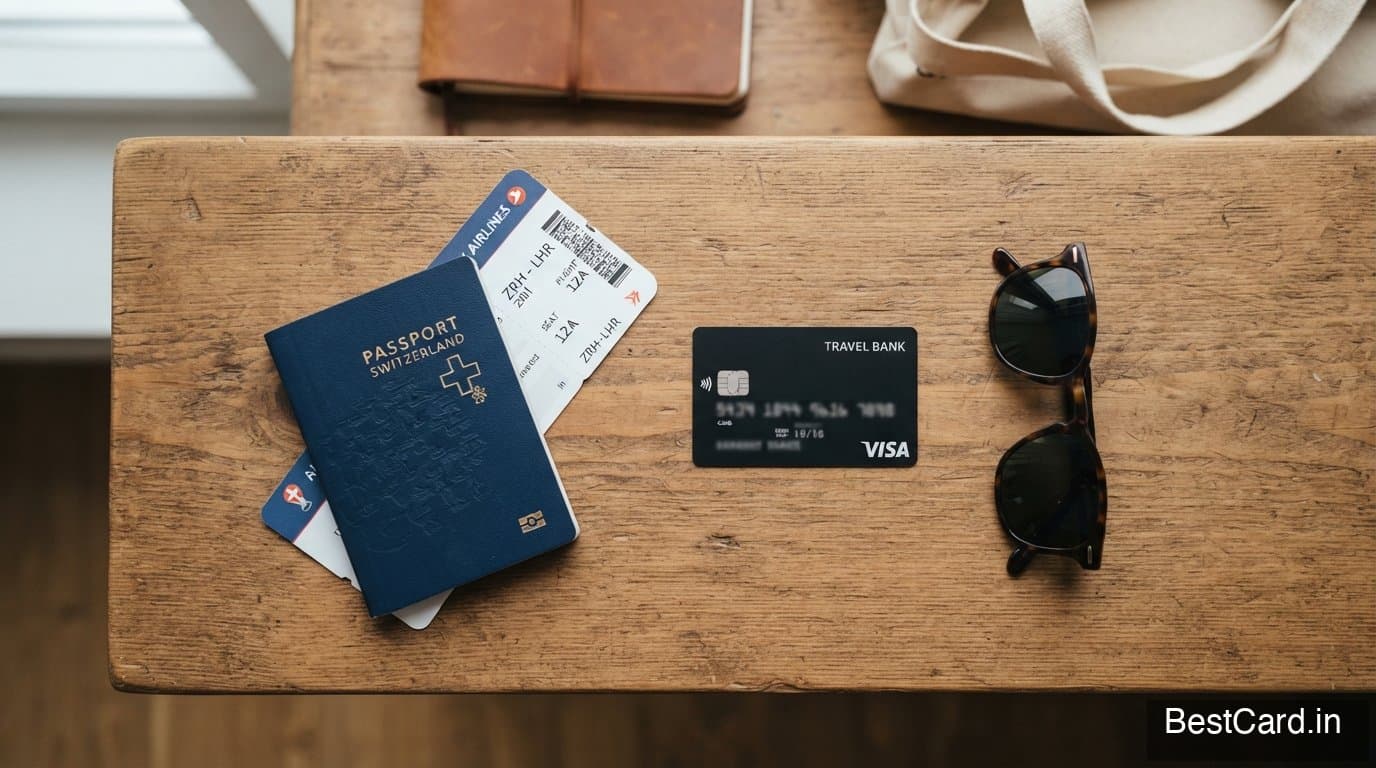
HDFC and RBL both issue a wide spread of co-brands, but their strengths do not overlap much. HDFC has the better flagship and everyday cards. RBL has two cards that beat the HDFC equivalent on a single number each: World Safari on forex and XTRA on fuel.
Zero-forex travel
RBL World Safari costs ₹3,000 (waived at ₹3 lakh) and lists 0% forex, 5% on travel, miles earn and a ₹40,000 monthly income floor. HDFC Regalia Gold costs ₹2,500 (waived at ₹4 lakh) with 2% forex, 2.5% on travel and a ₹1,50,000 floor. World Safari has a lower income bar and a zero markup. Regalia Gold has a stronger partner redemption network and more lounge visits. World Safari Lite and Plus round out RBL's travel options at ₹1,000 and ₹6,000. See the RBL World Safari review and HDFC Regalia Gold review.
IndianOil fuel cards
RBL IndianOil XTRA costs ₹1,500 (waived at ₹2.75 lakh) and lists 7.5% on fuel under a ₹1,000 monthly cap. The plain IndianOil RBL card is ₹500 with 5% under a ₹500 cap. HDFC IndianOil costs ₹500 (waived at ₹50,000), listing 5% on fuel capped at ₹250 a month. If you fuel up at IndianOil pumps, the RBL cards offer a higher cap and, in XTRA's case, a higher rate. HDFC's IndianOil card wins on fee and on the lower spend waiver. Check our HDFC IndianOil review.
Online and everyday spending
HDFC Millennia lists 5% online up to ₹1,000 a month for ₹1,000. Swiggy lists 10% on dining under a ₹1,500 cap. MoneyBack+ lists 2.5% in three categories under a ₹625 cap. RBL's equivalents are modest: ShopRite lists 5% on groceries capped at ₹250, Jalsa lists 5% online under a ₹500 cap, and Shoppers Stop Black lists 7.5% online under a ₹1,500 cap at ₹10,000. For ordinary shoppers HDFC has the better selection.
Co-brands
HDFC runs Swiggy, Tata Neu Plus, Shoppers Stop and PhonePe. RBL has BookMyShow, TVS, Patanjali and several fintech partners such as Paisabazaar and BankBazaar. RBL's Patanjali cards list 10% on groceries (capped at ₹500 and ₹750 a month), which is high for a grocery card. HDFC has more mainstream names.
Premium cards and lounges
HDFC Infinia (₹12,500) and Diners Club Black (₹10,000) set the benchmark with 3.33% base earn. RBL Nova costs ₹12,500 with 12 domestic and 12 international lounge visits and 2% base earn on a ₹3,00,000 floor. Icon is ₹5,000 with 6% on travel and dining under a ₹600 cap. Lumière costs ₹50,000. Infinia has the higher base earn, but Nova's lounge numbers are on our list, and its fee is the same. Compare with the HDFC Infinia review and RBL Icon review.
HDFC IRCTC lists 8 lounge visits for ₹500 (waived at ₹1.5 lakh). Many RBL cards on our list say lounge access is not offered. For lounge access at a low fee, HDFC's IRCTC card or Regalia Gold is the safer choice.
Picking between the two
Everyday shopper: HDFC. Overseas traveller on a mid income: RBL World Safari. IndianOil regular: RBL XTRA if you fill up often, HDFC IndianOil if you prefer a low waiver. Premium cardholder: Infinia for earn rate, Nova if lounge counts matter more. Anyone who wants lounge access cheaply: HDFC IRCTC.
Where to dig deeper
Read the HDFC credit cards guide and the RBL Bank credit cards guide. For another HDFC comparison, see HDFC vs SBI credit cards.
Related reading
- HDFC vs HSBC Credit Cards: HSBC Live+ and TravelOne Against HDFC's Full Ladder
HSBC India lists eight cards, and only Live+ and TravelOne are practical for most buyers. HDFC covers every tier. A comparison of cashback, travel and premium cards.
- RBL vs Standard Chartered: Paid Perks and Zero Forex Against One Flat-Rate Card
RBL builds around zero forex and fuel co-brands; Standard Chartered leads with the Ultimate flat rate and low-fee cashback. Compare fees and lounge access.
- Axis vs RBL Credit Cards: Everyday Cashback Against RBL's Zero-Forex World Safari
Axis owns UPI and Flipkart cashback, RBL owns zero-forex travel cards and bigger fuel caps. We compare fees, rewards and lounge access across both lineups.