
ICICI vs RBL Credit Cards: Zero Forex and Fuel Cashback Against ICICI's Reach
22 October 2026 · BestCard Editorial Team
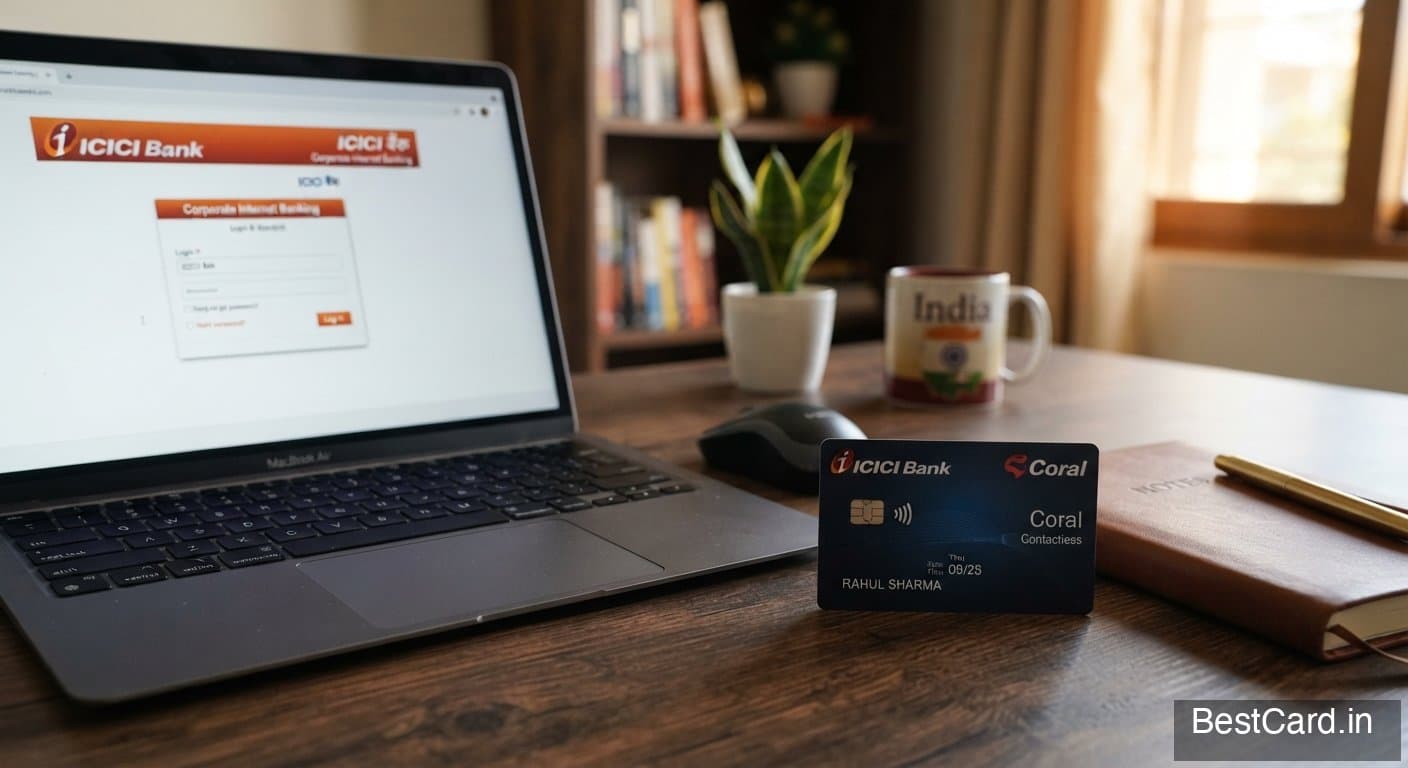
RBL has a hook ICICI cannot match: three World Safari cards with a 0% forex markup, starting at ₹1,000. ICICI's travel cards charge 3.5% on foreign spends unless you reach the Emeralde. Whether that gap matters depends on what you do abroad.
The zero-forex argument
The RBL World Safari costs ₹3,000, waived at ₹3 lakh of spend, with two domestic lounge visits a quarter (subject to ₹35,000 spend in the previous quarter), Priority Pass with two international visits a year and a 5% rate on travel. One snag: international spend does not earn travel points, so it works as a cheap way to spend abroad, not a rewards engine. The Lite version is ₹1,000, and the Plus is ₹6,000 with four international visits.
ICICI's Sapphiro pays 3.5% forex on a ₹3,500 annual fee and ₹6,500 joining. You would need the Emeralde to get down to 2%, and that is a ₹12,000 card.
RBL leads clearly for anyone who travels internationally on a mid-range budget.
Fuel: RBL's IndianOil cards against ICICI's HPCL cards
RBL's IndianOil card is ₹500 and pays 5% on fuel capped at ₹500 a month, waived at ₹1.75 lakh. The XTRA is ₹1,500 and pays 7.5% capped at ₹1,000 a month. ICICI's HPCL Super Saver is ₹500 with 4% capped at ₹200 a month, and the HPCL Coral is ₹199 with 2.5% capped at ₹100 a month.
The caps tell the story. RBL lets you earn several times more fuel cashback per month. ICICI's cards are better if the cheap fee matters more than the ceiling. RBL leads on fuel.
Shopping and everyday cashback
ICICI's Amazon Pay card is lifetime free, with 5% on Amazon.in for Prime members and 1% on other spends. RBL's ShopRite pays 5% on groceries capped at ₹250 a month, for ₹500 a year. RBL's Apex pays 2% on travel and online shopping for ₹1,000, and its Shoppers Stop Black asks ₹10,000 for a single retailer's benefits.
ICICI leads for general online shopping, and RBL has a niche in groceries and retail partners.
Mid-premium lounge cards
RBL's Icon is ₹5,000 with Priority Pass, two domestic visits a quarter and a 2% forex markup. World Plus is ₹4,999 with eight domestic visits a year. ICICI's Rubyx at ₹3,000 and ₹2,000 gives two domestic visits a quarter but no bundled Priority Pass. The two banks are close here. RBL is stronger for international access, ICICI cheaper to run.
The top end
ICICI's Emeralde costs ₹12,000 and offers unlimited domestic lounges. RBL's Nova costs ₹12,500 and gives 12 domestic and 12 international visits a year, a 6% rate on travel and a 2% forex markup. Its flagship LUMIÈRE is invite-only, at ₹50,000, with zero forex. ICICI is the easier flagship to obtain.
Who should choose which
For a traveller who wants low forex without a big fee, RBL. For a regular Amazon shopper, ICICI. For heavy fuel spend on IndianOil, RBL; on HPCL, ICICI's cheaper cards. For a first card, either works, though ICICI's Amazon Pay card has no fee at all.
Where to read next
The ICICI credit cards guide and RBL Bank credit cards guide list every card. You can also see how ICICI stacks up against another large issuer in SBI vs ICICI credit cards.
Related reading
- ICICI vs IndusInd Credit Cards: Pay Once Up Front or Pay Every Year
IndusInd charges a big one-time fee and nothing after, ICICI bills annually. We test that gap on premium cards, forex rates, fuel co-brands and the top shelf.
- ICICI vs Bank of Baroda (BOBCARD) Credit Cards: Free for Life Ends at BOBCARD
From 1 September 2026 BOBCARD's Select and Easy are no longer lifetime free. We compare them with ICICI's fee structure, fuel cards and travel cards.
- RBL vs Standard Chartered: Paid Perks and Zero Forex Against One Flat-Rate Card
RBL builds around zero forex and fuel co-brands; Standard Chartered leads with the Ultimate flat rate and low-fee cashback. Compare fees and lounge access.