
Flipkart SBI Credit Card Review: Strong Ecosystem Cashback, With Caps to Watch
29 March 2026 · BestCard Editorial Team
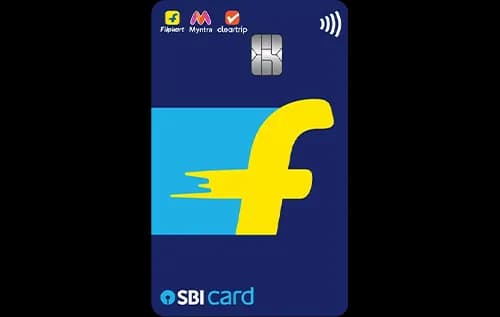
The Flipkart SBI Credit Card is SBI Card's co-branded play for the Flipkart shopper, and in practice its answer to the Amazon Pay card that has dominated the marketplace-cashback space for years. It pairs 5% cashback on Flipkart and Cleartrip with a higher 7.5% on Myntra and 4% on a set of everyday partner apps: Netmeds, Swiggy, Uber and PVR. On paper that is a very competitive entry-level card. In practice, how much you get out of it depends on how concentrated your spending is in those apps and how often you bump into its quarterly caps.
Fees and eligibility at a glance
The card has a ₹500 joining fee and a ₹500 annual fee, and the renewal fee is waived once you spend ₹3,50,000 in a year. That waiver threshold is the less friendly part of the fee structure: it works out to roughly ₹29,000 a month, which many people using this as a secondary shopping card won't reach, so budget for the ₹500 as a real cost. On the other side of the ledger, there's a ₹1,000 cashback welcome benefit on your first Flipkart transaction made within 30 days of approval, which covers the joining fee twice over if you were going to shop on Flipkart anyway. Eligibility asks for a credit score of at least 700 and a minimum monthly income of ₹20,000, with applicants aged 21 to 65 accepted. It is issued on RuPay, so it can be linked to UPI.
Rewards and how they actually work
Online shopping in the Flipkart ecosystem earns 5% (with Myntra at 7.5%), the partner apps earn 4%, and everything else earns an uncapped 1%. The important detail is that the accelerated tiers are capped per quarter: the online shopping bucket and the partner bucket each top out at ₹4,000 of cashback per quarter. At 5%, that's roughly ₹80,000 of quarterly Flipkart spend before you hit the ceiling, which is generous for most households but reachable during a big sale season if you're buying appliances or electronics. Once a bucket is exhausted, you drop to the 1% base rate until the next quarter starts.
The 1% base rate being uncapped is a genuine positive: spend outside the partner list is never completely unrewarded. Forex markup is the standard 3.5%, so this is not a card for international shopping or travel.
How it compares with the Flipkart Axis Bank Card
The obvious alternative is the Flipkart Axis Bank Card, and the two are closer than their branding suggests. Both earn 5% on Flipkart, both have a ₹500 annual fee waived at ₹3.5 lakh of yearly spend, and both carry a 3.5% forex markup. The Axis card's advantages are that its 5% Flipkart/Myntra cashback has no monthly cap, its base rate on other spend is 1.5% rather than 1%, and it includes four complimentary domestic lounge visits a year. The SBI card fights back with a higher 7.5% rate on Myntra, RuPay-on-UPI support, and the ₹1,000 welcome cashback. For a very heavy Flipkart spender, the uncapped Axis structure is usually the safer bet; for someone who shops a lot on Myntra or wants a Flipkart card they can use through UPI, the SBI card has a real case.
What's genuinely good about this card
The partner list is well chosen: food delivery, cab rides, movies and pharmacy orders are recurring expenses for most urban households, and earning 4% on them without any activation or registration is valuable. The 7.5% Myntra rate is one of the highest fashion-specific cashback rates available on an entry-level card. The ₹1,000 welcome cashback is easy to trigger and more than offsets the first-year fee. And being on RuPay, the card works with UPI, which matters now that so much small-ticket spending happens through QR codes.
Where it falls short
The quarterly caps are the main limitation. They won't bother moderate spenders, but they do mean the card doesn't scale well for someone putting large purchases through Flipkart during sale events. The ₹3.5 lakh fee-waiver threshold is high for a card whose rewards are concentrated in a handful of apps, so many holders will simply pay the ₹500 each year. There's no lounge access or travel benefit here, and the 3.5% forex markup rules it out entirely for spending abroad.
Who this card actually makes sense for
The Flipkart SBI card suits someone who shops regularly on Flipkart and Myntra, orders on Swiggy, takes Ubers and books PVR tickets, and wants a single low-fee card that rewards all of it without juggling. It makes the most sense as a second card alongside a general-purpose rewards card, not as a sole card for someone whose spending is mostly offline or international.
Where to go from here
Read our full Flipkart Axis Bank Card review for the other side of the comparison, and see the best credit cards for Flipkart shopping for a wider shortlist. If you're weighing other SBI options for online spend, the SBI Cashback card review and best SBI credit cards for shopping are the natural next reads.
Related reading
- SBI Cashback Card Review: Flat 5% on Every Online Purchase
A practical look at the SBI Cashback Card's flat 5% online cashback, the monthly cap, fees, and who should actually apply for it.
- Best Credit Cards for Amazon's Great Indian Festival Sale
The Great Indian Festival sale runs on a bank tie-up structure separate from Amazon's regular cashback cards. Here's how to pick the right card for the event itself.
- SBI SimplyCLICK Card Review: A Starter Card for Online Shoppers
How the SBI SimplyCLICK Card's 10X rewards on Amazon and partner merchants work, its fees, and whether it's the right first card.