
IRCTC SBI Card Review: A Narrow Card That Does One Job Well
4 August 2026 · BestCard Editorial Team
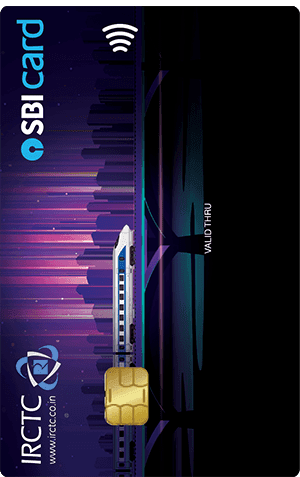
The IRCTC SBI Card is one of the most narrowly focused credit cards in India. It isn't trying to be a travel card in the lounge-and-miles sense, and it isn't a cashback card either. It exists to make booking train tickets on IRCTC slightly cheaper and slightly simpler, and to give first-time or modest-income applicants an accessible RuPay card from a large issuer. If you book trains regularly, that narrow focus is exactly the point. If you don't, there's very little here for you.
Fees and eligibility at a glance
The card carries a ₹500 joining fee and a ₹500 annual fee. SBI Card positions the fee as easily waived on modest annual spend of around ₹20,000, a low enough bar that most people who actually use the card will meet it. Eligibility is among the more accessible for a mainstream bank card: a credit score of 680 or above, a minimum monthly income of ₹18,000, and an age range of 21 to 60, with both salaried and self-employed applicants accepted. For someone early in their career or building a credit history, that makes it a realistic first approval.
Rewards and how they actually work
The reward structure is refreshingly plain. You earn 1 reward point for every ₹125 spent, which is an effective 0.8% return, and each point is worth ₹1, redeemable against IRCTC fares or as cash value. There's no accelerated category, no tiered multiplier and no conversion table to decode. New cardholders also get 350 bonus reward points on joining, which can be used toward the first ticket booking.
The simplicity has a cost, though. There is a redemption fee of ₹99 plus taxes per redemption request, charged once per batch whether you redeem for statement credit, vouchers or products. On a card that earns 0.8%, that fee is meaningful if you redeem small balances often, so it makes sense to let points build up and redeem them in larger batches.
The IRCTC benefit itself
The headline feature is that the 1% transaction charge on railway ticket bookings made through irctc.co.in is waived. It applies automatically at checkout with no minimum transaction value, so there's nothing to register or remember. For someone booking a few long-distance tickets a month for themselves or for family, that saving plus the base points adds up to a noticeably better return on railway spend than a general-purpose card that charges the fee and earns nothing special. It is worth being clear-eyed, though: there's no accelerated reward rate on the travel spend itself, only the fee removal on top of the standard 0.8%.
What's genuinely good about this card
The IRCTC charge waiver is automatic and unconditional, which is exactly how a benefit like this should work. Reward points redeem 1:1 in rupees, so you always know what your points are worth. The fee is low, and the waiver threshold is realistic for anyone who uses the card at all. Being on RuPay means the card can be linked to UPI for credit card payments at merchant QR codes, which extends its usefulness beyond train bookings for small everyday payments. And the accessible eligibility bar, 680 credit score and ₹18,000 monthly income, makes it a genuine option for people who might struggle to get approved for a more premium SBI card.
Where it falls short
Outside IRCTC, the 0.8% base rate is weak, and the ₹99 redemption fee eats into it further. As a primary card for everyday spending, it will leave money on the table compared with almost any mainstream cashback card. The 3.5% forex markup makes it a poor choice for international transactions. There's no lounge access, no insurance, and nothing for flights or hotels, so the "travel" label applies strictly to rail. And cash advances cost 2.5% or ₹300 at domestic ATMs (3% or ₹300 internationally) with interest from day one, which is standard but worth knowing.
Who this card actually makes sense for
The IRCTC SBI card suits frequent rail travellers, people who book trains for family members back home, and first-time applicants who want a low-fee RuPay card from a large bank. It works best as a companion card used only for IRCTC bookings and occasional UPI payments, alongside a stronger general-purpose rewards card for everything else. If you take a train a couple of times a year, the benefit won't cover the fee in any meaningful way, and a cashback card will serve you better.
Where to go from here
For a broader comparison of rail-focused options, read the best credit cards for IRCTC train bookings, and if you want to know which cards get you into railway station lounges, see the credit card railway lounge access guide. For SBI's wider lineup, the SBI credit cards guide and our best SBI credit cards roundup cover the rest.
Related reading
- KrisFlyer SBI Card Review: Worth It for Occasional Singapore Airlines Flyers?
A review of the KrisFlyer SBI Card's direct miles earning, lounge access, and fees for Singapore Airlines and Scoot flyers.
- KrisFlyer SBI Card Apex Review: Is It Worth ₹9,999 for Singapore Airlines Loyalists?
A review of the KrisFlyer SBI Card Apex's mile-earning rate on SIA Group spend, lounge access, and fees — for cardholders loyal to Singapore Airlines.
- IndiGo SBI Card ELITE Review: Does It Beat Flying IndiGo Without It?
A look at the IndiGo SBI Card ELITE's BluChips earn rate, lounge access, and travel cover — and whether the co-brand focus is worth the ₹4,999 fee.