Best Credit Cards for School and College Fee Payments in India
10 June 2026 · BestCard Editorial Team
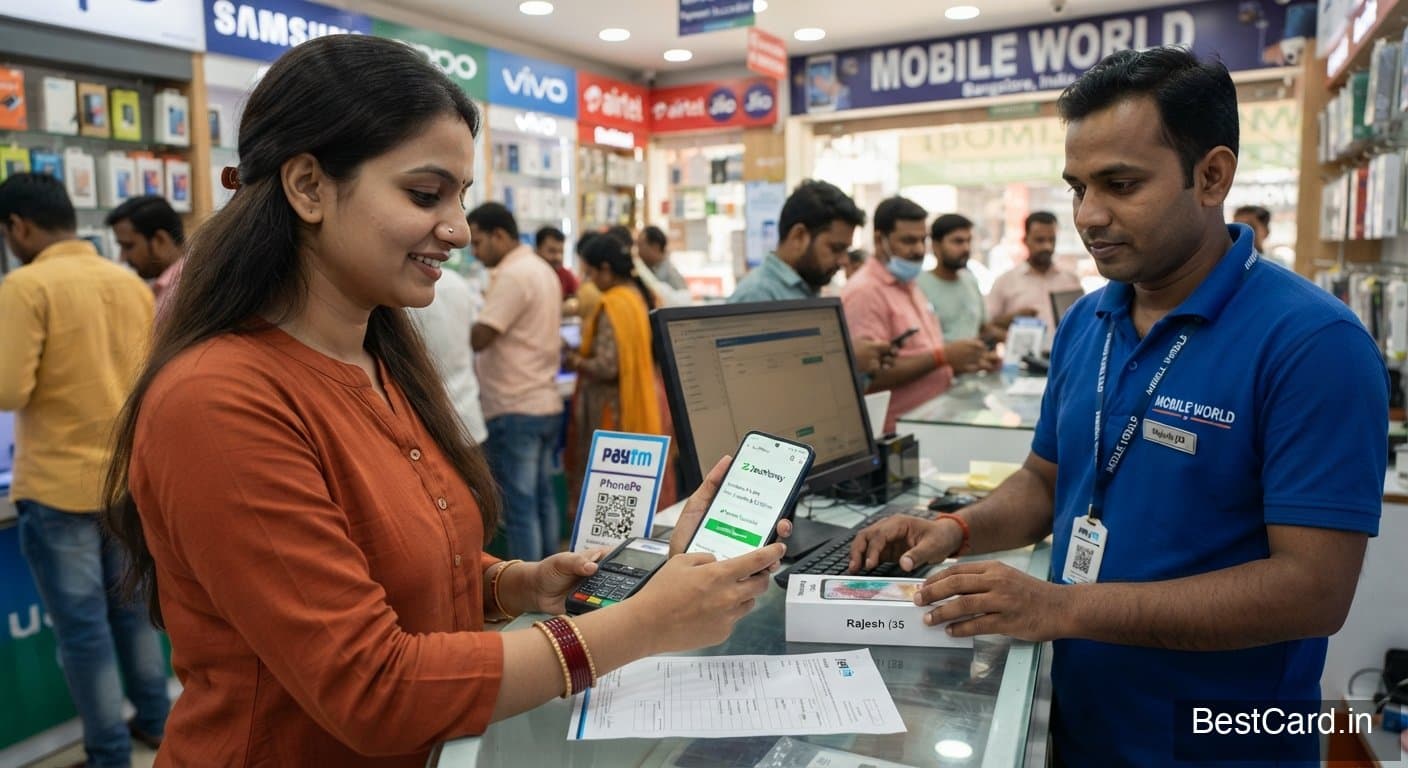
School and college fees are one of the largest recurring payments most Indian households make, and one of the least card-friendly. Most institutions still expect NEFT, a demand draft, or a fee-collection portal that charges its own convenience fee on top of whatever your bank charges — so before you reach for a credit card, understand what you're actually paying for the privilege.
The convenience fee problem
Very few schools and colleges accept credit cards directly at their own counter. Instead, fees route through a third-party collection platform — the institution's bank-partnered portal, or apps like CRED, Propelld, or similar EMI-focused fee-payment services — and these platforms charge a convenience fee, typically 1-2% of the transaction, on top of the payment itself. Unless your card's reward rate on that spend beats the convenience fee, you're paying to use the card, not earning from it. Run the math before you commit: a 1.5% convenience fee against a card earning 1% back is a net loss, however good the rewards program looks on paper.
Cards where the math can work
The SBI Cashback Card's 5% online cashback, when it applies to a fee portal classified as e-commerce rather than education/government services, is one of the few realistic ways to come out ahead after a 1-2% convenience fee — but verify this against your specific portal, since many fee-collection platforms are coded as a merchant category that's excluded from cashback altogether, similar to the utility exclusions we cover in our telecom bill payment guide. If your card doesn't clearly beat the convenience fee, you're better off paying by netbanking or UPI directly and skipping the card entirely for this one payment.
For discretionary spend inside an ecosystem, the Tata Neu Infinity Credit Card and an Axis Bank Credit Card are worth checking against whichever fee-payment app you use, since some of these apps run periodic promotions with specific card networks that temporarily waive or reduce the convenience fee — that promotional waiver is usually worth more than the card's standard reward rate.
Why people use cards for fees anyway: EMI conversion
The real reason cardholders route large fee payments through a credit card isn't rewards — it's converting a lump-sum semester or annual fee into no-cost or low-cost EMI. Apps like Propelld and CRED specifically target this use case: they let you pay the institution the full amount upfront (keeping your child's admission or exam eligibility intact) while you repay your bank in monthly installments, often at a lower effective rate than a personal loan. Our EMI conversion guide explains how card-issuer EMI actually works, including the processing fees and interest calculations that "no-cost EMI" marketing tends to gloss over — read it before committing a ₹1-2 lakh fee payment to an EMI plan.
Watch your credit limit and utilization
A single semester fee can run ₹50,000 to several lakh rupees, which can spike your card's credit utilization well past the 30% threshold that keeps your CIBIL score healthy, even if you plan to pay it off in full before the due date. If you're converting to EMI, the full amount is usually blocked against your credit limit upfront, not just the monthly installment — check this with your bank before you commit, since a blocked limit can leave you without headroom for anything else that month.
Bottom line
Don't assume paying school or college fees by credit card is automatically the smart move — the convenience fee on top of a rewards rate that often doesn't apply to fee-payment portals can make it a net loss. The one scenario where it clearly makes sense is converting a large fee into structured EMI through a platform like Propelld or CRED, provided you've compared the effective interest cost against a personal loan and checked what it does to your available credit limit for the rest of the billing cycle.