Converting a Credit Card Purchase to EMI: How It Actually Works
5 May 2026 · BestCard Editorial Team
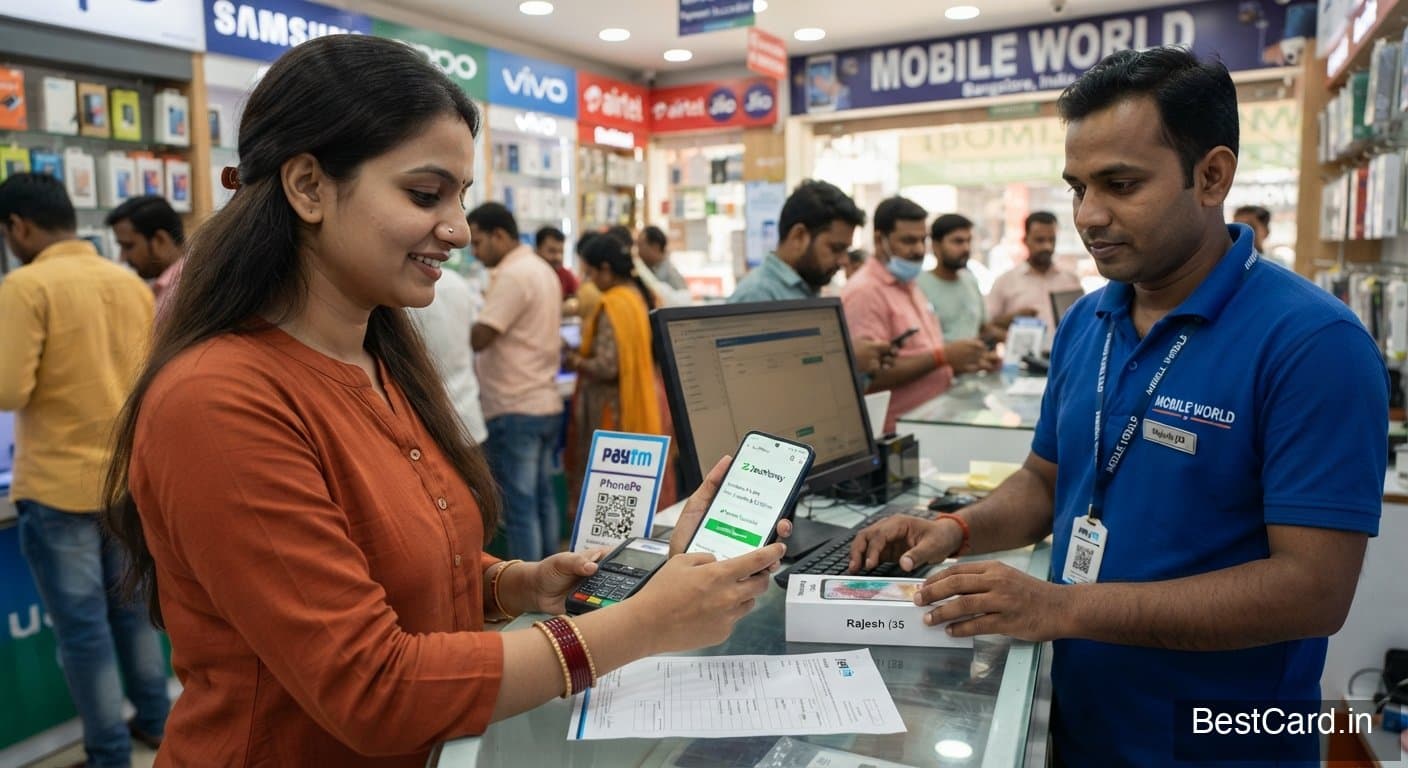
EMI conversion lets you take a single large credit card purchase and split it into fixed monthly installments instead of paying the full amount — or the minimum due — the way a normal purchase works. It's one of the most misunderstood features on a credit card, mostly because it looks like a loan but behaves differently from one in a few important ways.
How the conversion actually works
After making a purchase — or sometimes before, at checkout with select merchants — you request EMI conversion through your card's app or net banking, choose a tenure (usually 3 to 24 months), and the bank splits the amount into equal installments added to your monthly statement. The purchase amount gets blocked against your credit limit for the tenure, which reduces your available limit even though you're paying it off gradually.
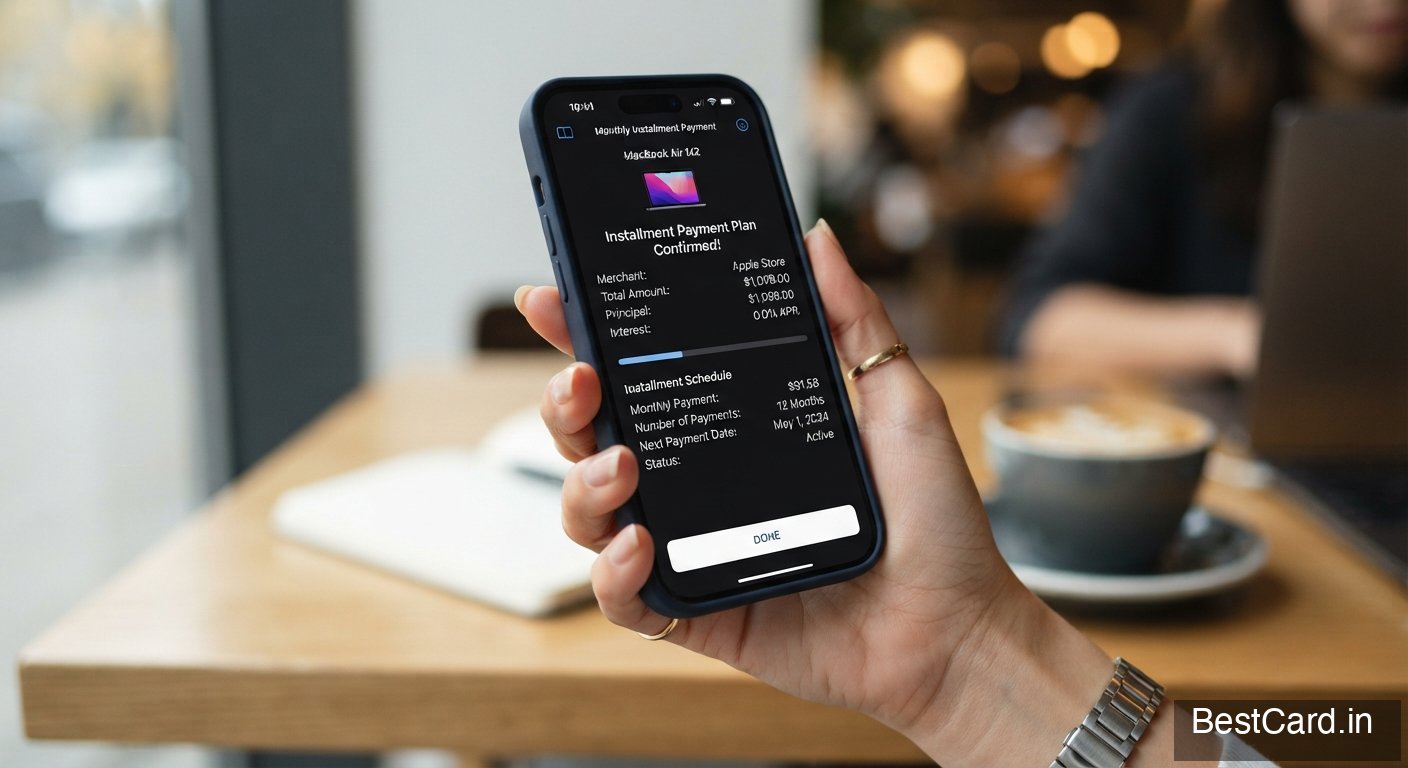
The real cost: interest and processing fees
EMI conversion isn't free — you'll typically pay interest somewhere in the 12-18% annual range, plus a one-time processing fee, both disclosed before you confirm. This is meaningfully cheaper than revolving a balance at standard credit card interest rates, which often run higher, but it's still not free money. Compare the total interest and fees against what you'd pay if you saved up and bought outright, since a "No Cost EMI" offer sometimes just folds the interest into a slightly inflated product price rather than removing it.
EMI vs paying in full vs minimum due
Paying in full is always cheapest if you can afford it. EMI conversion makes sense when a purchase is large enough that paying it off over a few months meaningfully helps your cash flow, and you want a fixed, predictable payment rather than the minimum due trap of paying only the minimum and letting the rest revolve at a much higher rate. Never treat EMI conversion as a substitute for budgeting — it's a financing tool, not free money, and converting habitually rather than occasionally is usually a sign your spending has outpaced your budget.
How it affects your credit utilization and score
Since the converted amount stays blocked against your limit until paid off, EMI conversion keeps your credit utilization ratio elevated for the length of the tenure, which can matter if you're applying for another loan or card soon. It's generally reported differently from a revolving balance, so check your credit card statement each month to see exactly how the EMI installment and remaining principal are shown.
Where to go from here
If you're deciding between EMI conversion and a separate personal loan for a large purchase, our credit card vs personal loan comparison walks through the cost differences in more detail, and our balance transfer guide covers a related option if you're carrying revolving debt rather than financing a single purchase.