The Minimum Due Trap: Why Paying Only the Minimum Costs You So Much
27 July 2026 · BestCard Editorial Team
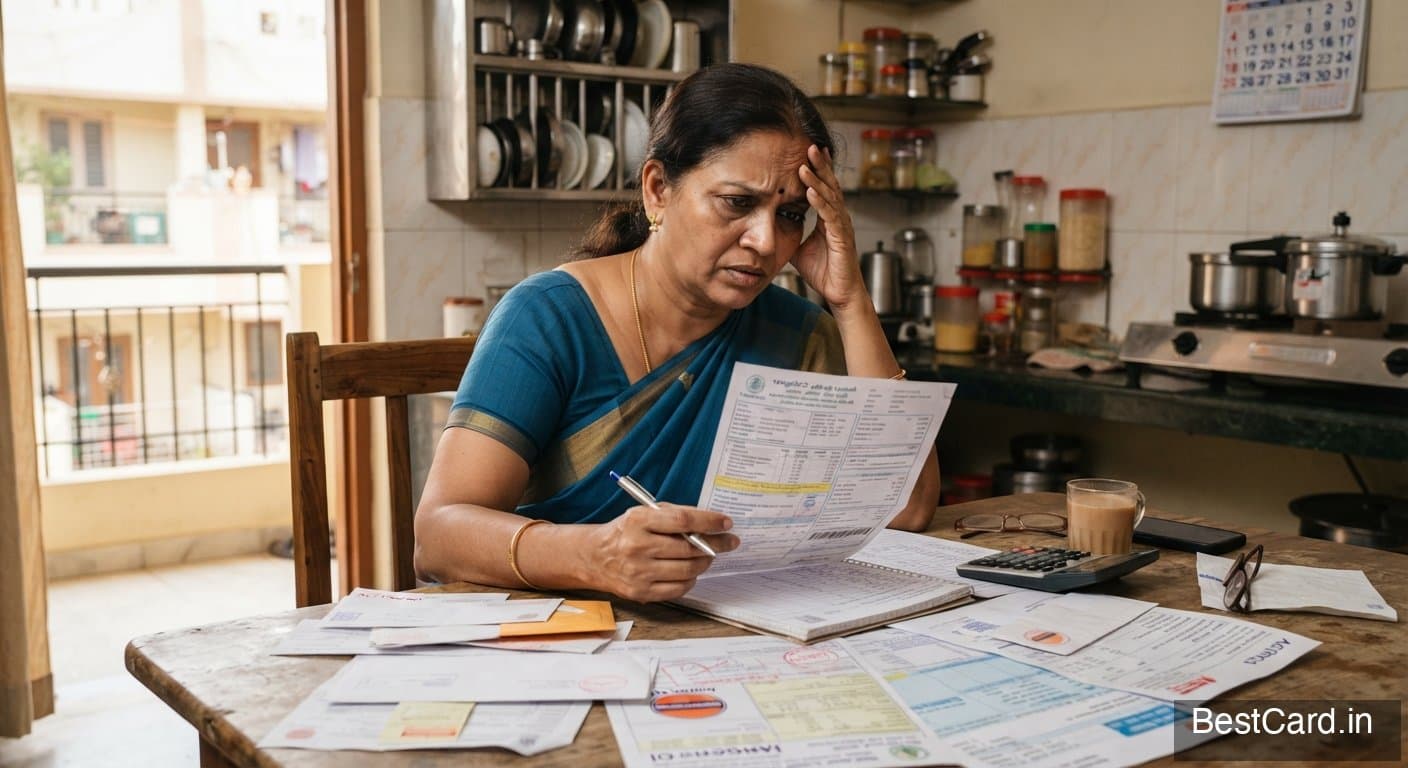
Paying the minimum due feels responsible — you're not missing a payment, your account stays in good standing, nothing bad seems to happen. That's exactly why it's a trap: nothing bad seems to happen, right up until you look at how much interest has actually accrued.
What "minimum due" actually keeps you safe from
Minimum amount due — typically 5% of your outstanding balance, or a small fixed floor, whichever is higher — exists to keep your account from being reported as delinquent to the bureau and to avoid a late payment fee. That's all it does. It does not stop interest, and on most Indian cards it does not even keep the interest-free grace period alive on new purchases, so every fresh swipe the next month starts accruing interest from day one instead of getting the usual 18-50 day free window.
The math that makes this expensive
Indian credit card revolving interest typically runs 36-42% annualized, charged monthly on a daily reducing (or sometimes flat) basis, and interest is usually calculated on the entire outstanding balance from the transaction date — not just on the portion you didn't pay. Paying ₹5,000 minimum on a ₹50,000 balance still leaves you paying interest on close to the full ₹50,000 for that cycle, not on the ₹45,000 remaining.
Run the numbers on a ₹50,000 balance carried at minimum payments for even three or four months, and the interest charges alone can approach or exceed a sizable fraction of the original balance. This is the core reason a personal loan at 12-16% is almost always cheaper than letting card debt revolve, and why EMI conversion — which brings the effective rate down to roughly 13-18% — is worth doing the moment you know you can't clear a balance in full.
The compounding trap
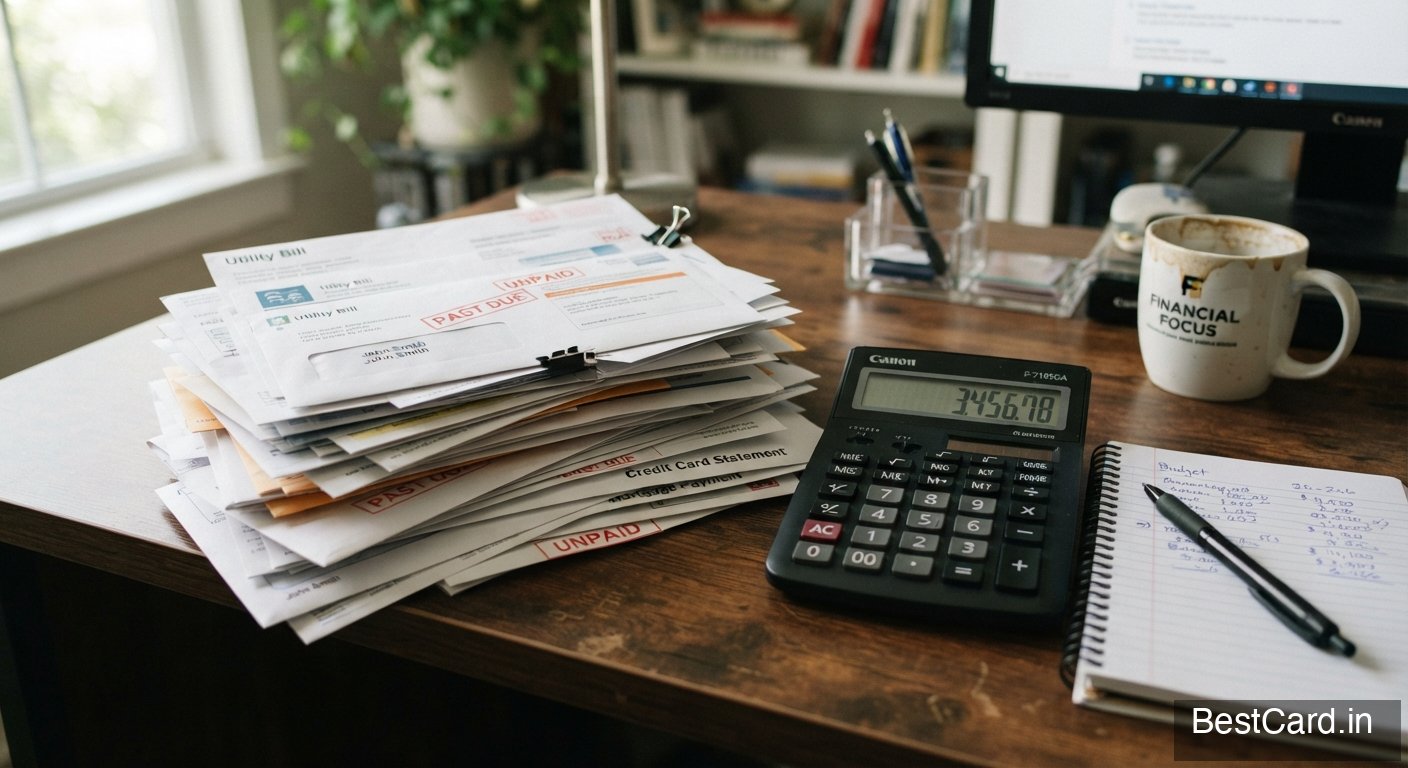
Once you're in the habit of paying minimum due, the balance rarely goes down — new spending plus accruing interest usually outpaces the tiny principal reduction the minimum payment covers. Many people carrying a balance this way are surprised, a year later, to find they've paid several thousand rupees in interest and the outstanding balance is barely lower than when they started. It's a slow leak, not a single bad decision, which is what makes it easy to not notice.
It also quietly damages your credit profile. A persistently high balance relative to your limit keeps your utilization ratio elevated, which drags on your CIBIL score even if you never technically miss a payment.
How to get out of it
Stop new spending on the card until the balance is under control — every fresh purchase compounds the problem while you're carrying interest. Then attack the balance with whatever you can pay beyond the minimum; even an extra ₹2,000-3,000 a month meaningfully shortens how long you're paying 36%+ interest. If the balance is large, look at a balance transfer to a lower-rate card or a personal loan to convert the debt to a fixed, lower-rate EMI — both beat continuing to revolve at card rates.
Where to go from here
Read how to read your credit card statement to see exactly where the minimum due and finance charges appear on your bill, and our credit card late payment consequences guide if you're worried about what happens when even the minimum gets missed.
Frequently asked questions
What does paying only the minimum due actually protect you from?
It keeps your account from being reported delinquent and avoids a late payment fee — nothing more. It does not stop interest from accruing.
Does paying the minimum due keep my interest-free grace period alive?
No. On most Indian cards it does not keep the grace period alive on new purchases, so fresh spends start accruing interest from day one.