
Credit Card Annual Fee Waiver Thresholds by Bank (2026 List)
8 October 2026 · BestCard Editorial Team
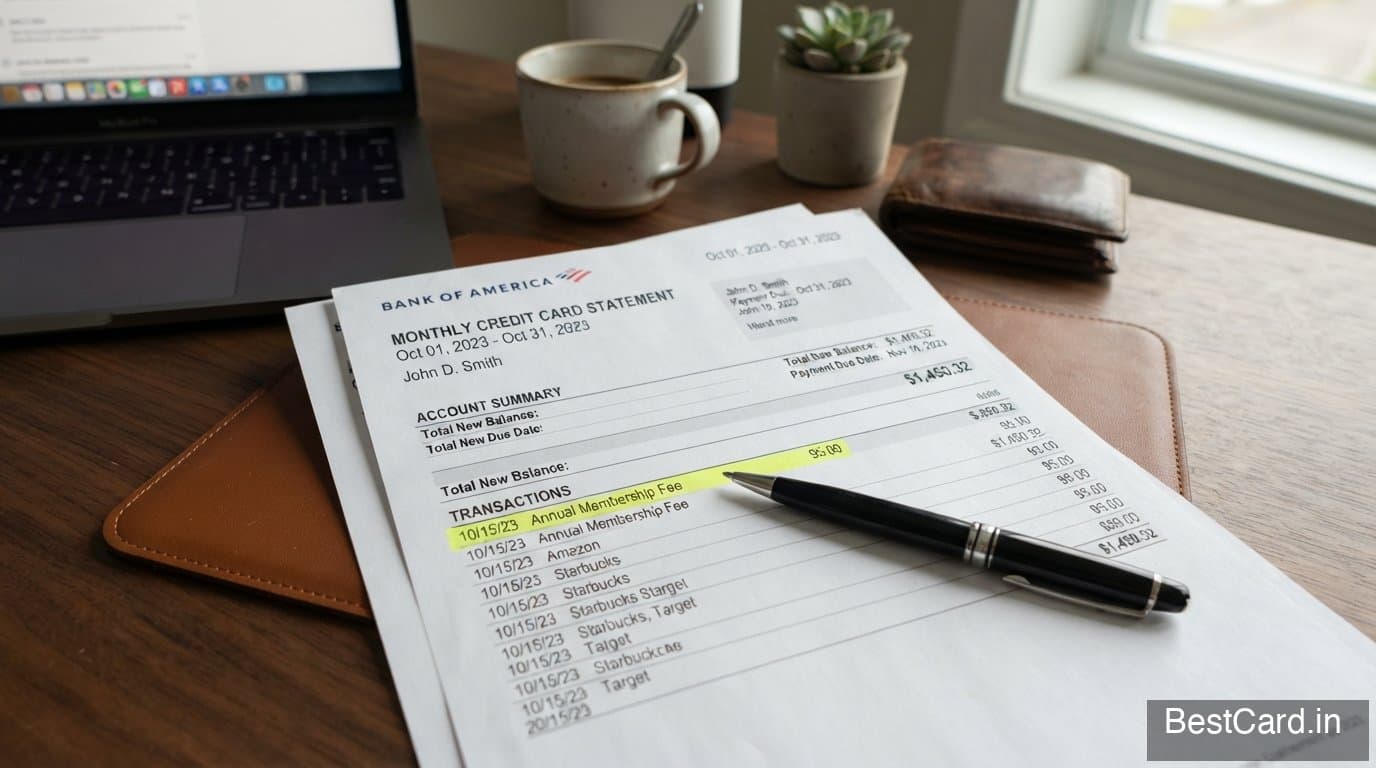
Most Indian credit cards waive their annual fee if you spend a set amount in the card year. Thresholds range from ₹40,000 on entry cards to ₹25 lakh or more on super-premium ones, and some popular cards have no waiver at all. The tables below list the thresholds for widely held cards by bank, followed by the rules that decide whether your spend actually counts.
How fee waivers work
The bank tracks your eligible spend over the card anniversary year. If you cross the threshold, the next annual fee is either not charged or reversed shortly after it posts. Three things trip people up:
- Excluded categories. Rent, wallet loads, fuel, EMI conversions and sometimes utilities, insurance or education often don't count.
- Timing. The window is usually the 12 months before the fee date, not January to December.
- Joining fee vs annual fee. The joining fee is almost never waived by spend; only renewal fees are. See joining fee vs annual fee.
Our explainer on how fee reversal thresholds work goes deeper on the mechanics.
HDFC Bank
| Card | Annual fee | Waiver spend |
|---|---|---|
| Swiggy HDFC | ₹500 | ₹2,00,000 |
| Millennia | ₹1,000 | ₹1,00,000 |
| Tata Neu Infinity HDFC | ₹1,499 | ₹3,00,000 |
| Regalia Gold | ₹2,500 | ₹4,00,000 |
| Diners Club Black Metal | ₹10,000 | ₹8,00,000 |
| Infinia Metal | ₹12,500 | ₹10,00,000 |
SBI Card
| Card | Annual fee | Waiver spend |
|---|---|---|
| SimplyCLICK | ₹499 | ₹1,00,000 |
| Cashback | ₹999 | ₹2,00,000 |
| PRIME | ₹2,999 | ₹3,00,000 |
| ELITE | ₹4,999 | ₹10,00,000 |
| Miles ELITE | ₹4,999 | ₹15,00,000 |
| AURUM | ₹9,999 | ₹12,00,000 |
SBI's entry cards have some of the lowest bars in the market. If you're choosing one, apply for an SBI card here. Our SBI fee waiver guide covers SBI's specific exclusions.
Axis Bank
| Card | Annual fee | Waiver spend |
|---|---|---|
| ACE | ₹499 | ₹2,00,000 |
| Flipkart Axis | ₹500 | ₹3,50,000 |
| Privilege | ₹1,500 | ₹5,00,000 |
| Horizon | ₹3,000 | ₹3,50,000 |
| Select | ₹3,000 | ₹8,00,000 |
| Atlas | ₹5,000 | No waiver |
| Magnus | ₹12,500 | ₹25,00,000 |
Horizon's ₹3.5 lakh bar is unusually low for a ₹3,000 card, while Magnus asks for ₹25 lakh, the highest in this list. Atlas has no waiver at all, so treat its ₹5,000 as a fixed yearly cost and judge it on miles earned. If one of these fits, apply for an Axis card here.

ICICI Bank
ICICI's ladder is steady: roughly ₹1.5 lakh to ₹3 lakh for entry and mid cards, ₹6 lakh for Sapphiro and ₹10 lakh at the top. Its co-branded Amazon Pay card skips the question entirely by being lifetime free.
| Card | Annual fee | Waiver spend |
|---|---|---|
| Amazon Pay ICICI | Lifetime free | n/a |
| Coral | ₹500 | ₹1,50,000 |
| Rubyx | ₹2,000 | ₹3,00,000 |
| Sapphiro | ₹3,500 | ₹6,00,000 |
| Emeralde | ₹12,000 | ₹10,00,000 |
| Emeralde Private Metal | ₹12,499 | ₹10,00,000 |
Kotak Mahindra Bank
Kotak has some of the easiest waivers at the entry level, but two of its travel cards carry fixed fees with no spend-based escape.
| Card | Annual fee | Waiver spend |
|---|---|---|
| League Platinum | ₹499 | ₹50,000 |
| Zen Signature | ₹1,500 | ₹1,50,000 |
| White | ₹3,000 | ₹5,00,000 |
| White Reserve | ₹12,500 | ₹10,00,000 |
| Air+ | ₹3,000 | No waiver |
| IndiGo Kotak Premium | ₹3,000 | No waiver |
American Express, Yes Bank, AU and others
| Card | Annual fee | Waiver spend |
|---|---|---|
| Amex SmartEarn | ₹495 | ₹40,000 |
| Amex Membership Rewards | ₹4,500 | ₹1,50,000 |
| Amex Platinum Travel | ₹5,000 | No waiver |
| Yes ELITE+ | ₹999 | ₹2,00,000 |
| Yes Reserv | ₹2,499 | ₹3,00,000 |
| Yes Marquee | ₹4,999 | ₹10,00,000 |
| AU Vetta | ₹2,999 | ₹1,50,000 |
| AU Zenith+ | ₹4,999 | ₹8,00,000 |
| HSBC TravelOne | ₹4,999 | ₹8,00,000 |
| RBL World Safari | ₹3,000 | ₹3,00,000 |
IDFC FIRST takes a different approach: cards like FIRST Select and FIRST Wealth are lifetime free, while its paid travel cards (Ashva at ₹2,999, Mayura at ₹5,999) have no spend-based waiver.
Is chasing the waiver worth it?
Divide the fee by the threshold to see what the waiver is really worth as a percentage of spend:
- HDFC Millennia: ₹1,000 ÷ ₹1,00,000 = 1% bonus on the spend needed
- HDFC Regalia Gold: ₹2,500 ÷ ₹4,00,000 = 0.63%
- Axis Select: ₹3,000 ÷ ₹8,00,000 = 0.38%
- Axis Magnus: ₹12,500 ÷ ₹25,00,000 = 0.5%
Add 18% GST to each fee and the saving grows slightly. A threshold is worth reaching if you'd spend that much anyway. It is not worth reaching by buying things you don't need or by moving spends from a card that earns more. Moving ₹2 lakh from a 5% cashback card to a 1% card to save a ₹1,000 fee costs you ₹8,000 in lost cashback.
How to hit thresholds sensibly
- Consolidate. If you hold three cards and only one has a waiver bar, route regular bills there.
- Track progress. Most bank apps show spend towards the waiver. Check two months before your fee date.
- Time big purchases. A planned laptop or annual insurance premium (if eligible) can carry you over.
- Ask. If you fall short, call and ask for a reversal. It often works; see our annual fee negotiation tips.
- Downgrade or close. If a card's benefits no longer justify its fee, downgrade to a lifetime-free variant rather than paying for nothing.
Thresholds in this list reflect BestCard's latest card data. Banks revise waiver rules and excluded categories regularly, sometimes mid-year, so confirm on the issuer's site before you plan around them. For general tactics, read how to get your annual fee waived. To find a card whose waiver fits your actual spend, try the BestCard matcher.
Frequently asked questions
What is an annual fee waiver threshold?
It's the amount you must spend on a card in a card year for the bank to reverse or not charge the next annual fee. For example, HDFC Regalia Gold waives its ₹2,500 fee on ₹4 lakh of annual spend.
Do rent, fuel and wallet loads count towards the fee waiver?
Often not. Many banks exclude categories such as rent, wallet loads, fuel and sometimes utilities or insurance from waiver calculations. The exact list varies by card, so check the card's terms.
Is the waiver based on the calendar year or card anniversary year?
Most Indian banks measure spend over your card anniversary year, the 12 months before the fee is due, not the calendar year.
Can I get the annual fee reversed if I miss the threshold?
Sometimes. Calling the bank and asking for a goodwill reversal or a retention offer works more often than people expect, especially if you've been a long-standing customer.
Related reading
- Lifetime Free vs Paid Credit Card: Which Should You Choose?
Lifetime free or paid credit card? Use a simple break-even formula, real examples from cards like SBI Cashback and Amazon Pay ICICI, and avoid the common traps.
- Best Credit Cards Under ₹500 Annual Fee in India (2026)
Best credit cards under ₹500 annual fee for 2026: Axis ACE, Flipkart Axis, Swiggy HDFC, SBI SimplyCLICK, IDFC Power+ and Amex SmartEarn, with caps and waivers.
- Dynamic Currency Conversion Explained: Always Pay Local
Dynamic currency conversion explained: why paying in rupees abroad costs more, a worked example, how to spot DCC at terminals and ATMs, and which cards help.