Credit Card Dispute and Chargeback Process in India, Explained
2 July 2026 · BestCard Editorial Team
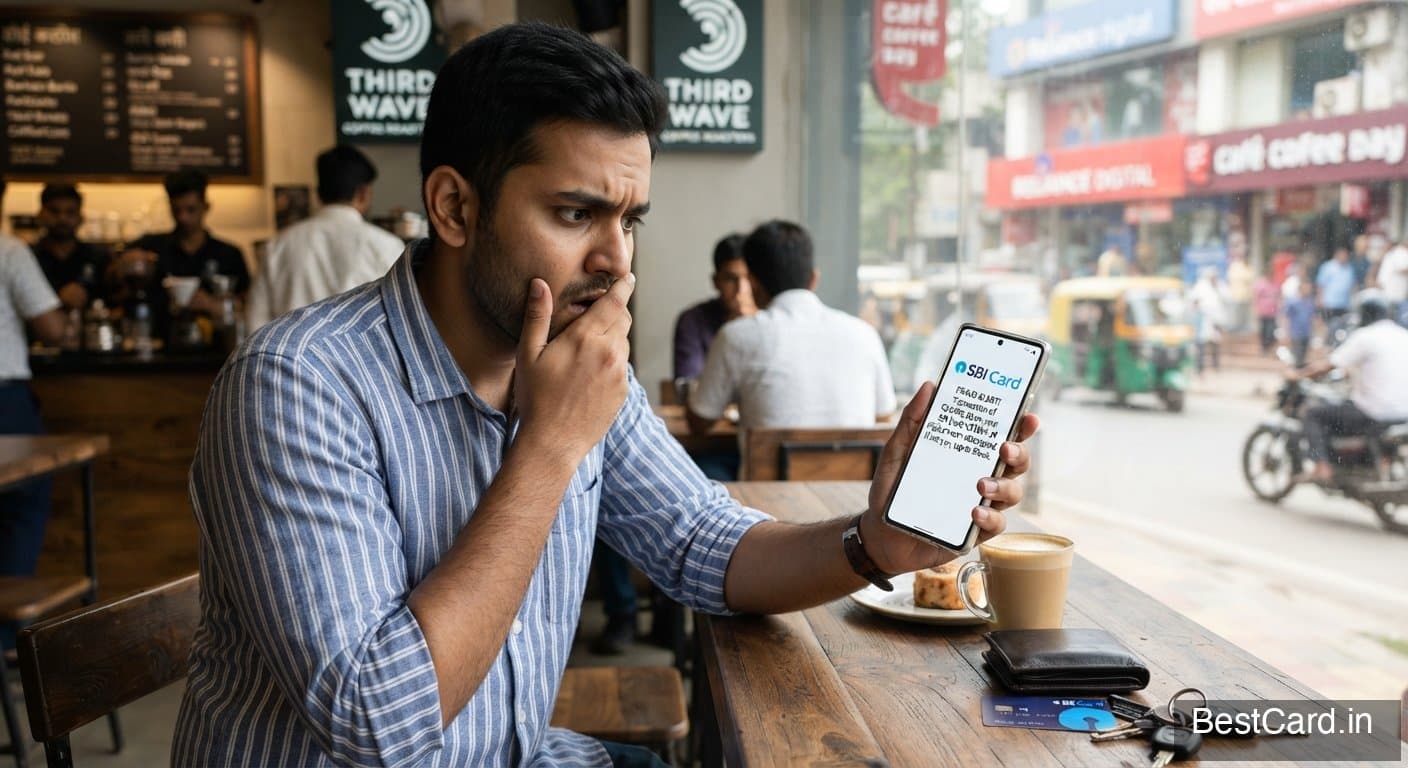
A chargeback is the mechanism that lets you claw back money from a transaction that was fraudulent, never delivered, or billed incorrectly — but it only works if you follow the process correctly and within the window your issuer allows. Most disputes fail not because the claim was weak, but because the cardholder waited too long or skipped a step.
Step 1: raise the dispute with your issuer, not the merchant
Your first move is contacting your card issuer's dispute or fraud team — through the app, website, or helpline — not chasing the merchant directly, even though it feels intuitive. The issuer formally logs the dispute and, for genuinely unauthorized transactions, typically blocks the card and issues a replacement immediately as a precaution. Note the ticket or reference number you're given; you'll need it for every follow-up.
Step 2: know your window
Most Indian issuers require disputes to be raised within 30–60 days of the transaction date, though this varies by issuer and by dispute type — a fraudulent charge and a "goods not delivered" claim can have different windows. Check your card's specific terms, but the practical rule is: dispute the moment you notice something wrong, because waiting even a few weeks can put you past the deadline without you realizing it.
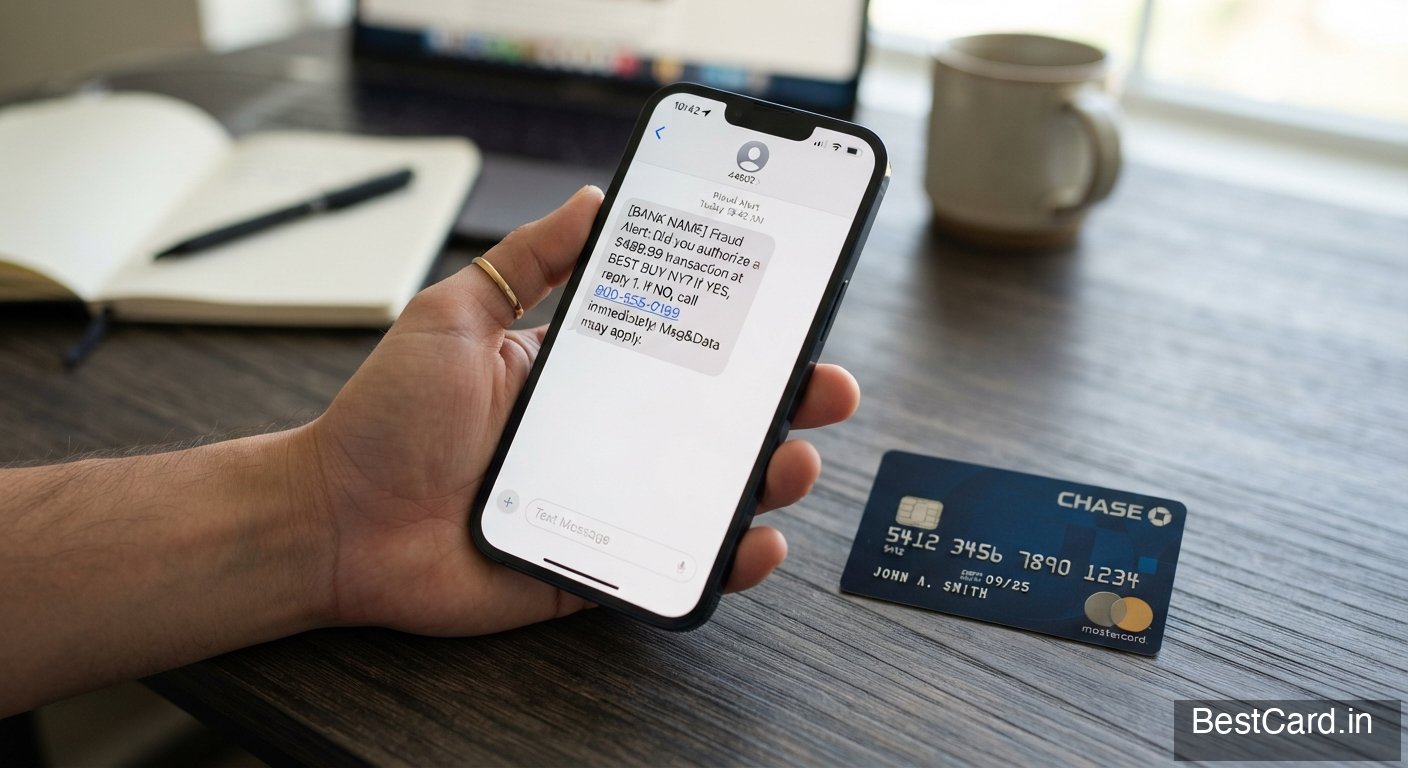
Step 3: documentation
For a fraud claim, your issuer will typically ask for a written confirmation that you didn't authorize the transaction, sometimes along with a police complaint (an FIR or e-FIR) for larger amounts. For a merchant dispute — wrong item, no delivery, a subscription that wasn't cancelled properly — gather order confirmations, delivery tracking, cancellation emails, and any chat or call records with the merchant. The stronger your paper trail, the faster the resolution.
Step 4: provisional credit and investigation
Many issuers credit the disputed amount back to your account provisionally while they investigate, under RBI's customer liability rules for unauthorized transactions reported promptly. This isn't the final word — if the investigation finds the transaction was valid, the provisional credit can be reversed — but it does mean you're not carrying the disputed balance (or its interest) during the process.
Step 5: escalation
If your issuer's response is unsatisfactory or the timeline drags well past their own stated resolution window, you can escalate to the Banking Ombudsman under the RBI's grievance redressal framework. This is a formal, free channel specifically for unresolved banking disputes and carries real weight — most issuers move faster once an ombudsman complaint is filed.
Preventing the need for a dispute
The best dispute is the one you never need to file — enabling transaction alerts, setting sensible per-transaction limits, and reviewing your statement regularly catches problems early. Our credit card fraud protection tips guide covers the preventive side in depth.
Where to go from here
Read credit card fraud protection tips to reduce how often you need this process, and how to read your credit card statement to catch unauthorized charges before the dispute window closes.