Credit Card Rewards Are Getting Worse in 2026: What Changed?
14 May 2025 · BestCard Editorial Team
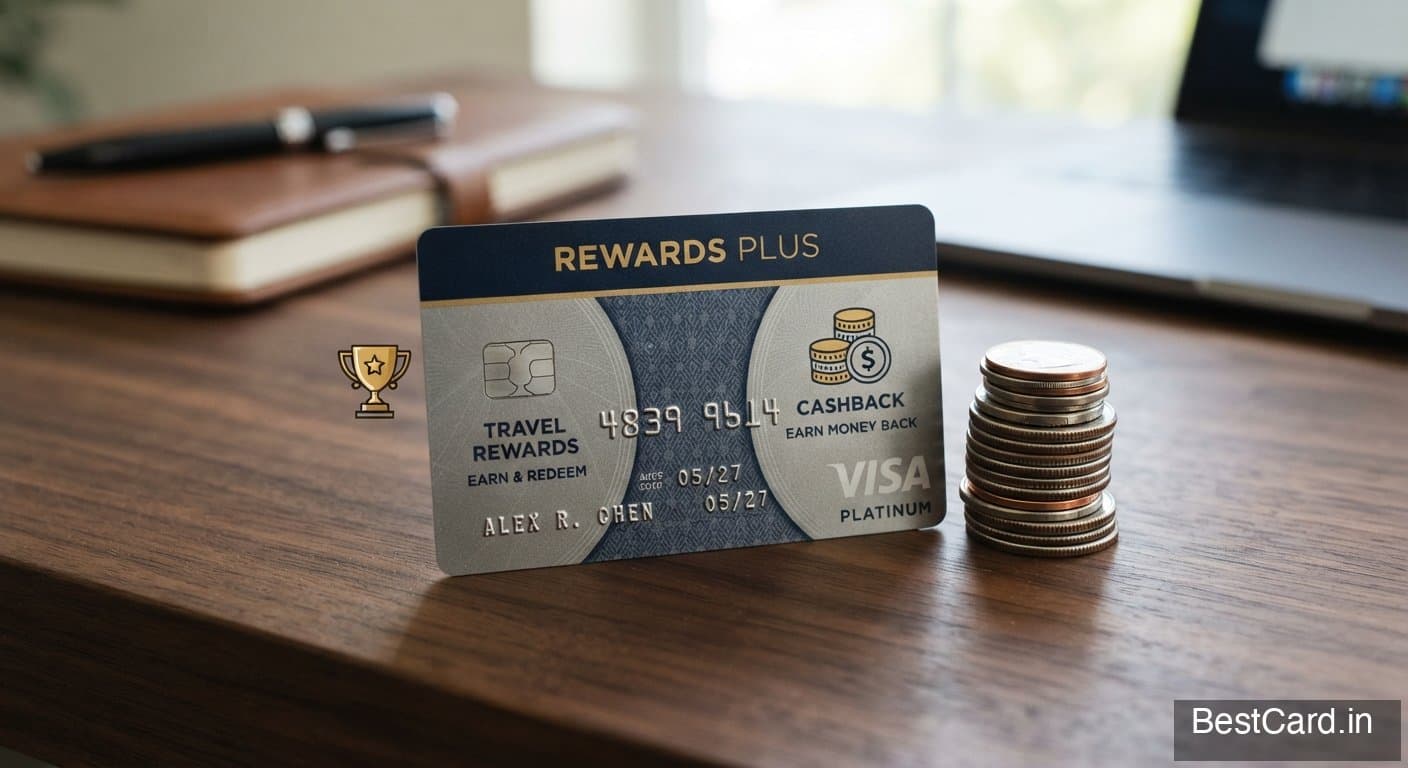
If you've had the same credit card for a few years, you've probably noticed the rewards don't feel as generous as they used to. You're not imagining it. This isn't one bank being stingy — it's an industry-wide pattern, and understanding why it happens helps you decide what to do about it.
Why devaluation happens across the board
Card issuers fund rewards mostly from interchange fees — the cut merchants pay on every swipe. When that revenue gets squeezed, rewards get squeezed too. In India, interchange on many transaction types is capped or under regulatory scrutiny, which limits how much a bank can afford to give back. At the same time, fraud losses, processing costs, and reward redemption liabilities keep rising. Something has to give, and it's usually the generosity of the rewards program, not the bank's profit margin.
The tactics banks use to quietly cut value
Devaluation rarely shows up as a headline "we're cutting rewards" announcement. It shows up as small print changes:
- Narrower eligible categories — spends that used to earn full rewards get reclassified as "excluded" or "reduced rate"
- New exclusions — wallet loads, rent payments, utility bills, fuel, insurance, and government payments are increasingly carved out
- Lower monthly or per-transaction caps — the accelerated rate still exists, but you hit the ceiling faster
- Point devaluation — the same number of points buys less when redeemed for flights, hotels, or vouchers
- Coalition and transfer partner changes — airline and hotel partners quietly worsen redemption ratios
Each change alone looks minor. Stacked over two or three years, they add up to a card that earns you noticeably less than the one you signed up for.
How to check if your card has quietly lost value
Pull your last three to six months of statements and calculate your actual reward earn rate: total points or cashback earned divided by total eligible spend. Compare that to the rate advertised when you got the card. If there's a meaningful gap, something has been excluded or capped since you signed up. Also check the redemption catalogue — has the points-to-rupee conversion rate for your usual redemption (flights, statement credit, vouchers) gotten worse?
What to actually do about it
Don't assume the deal you signed up for still holds. Revisit annually:
- Redeem points sooner rather than later. Unredeemed points sitting in your account are exposed to future devaluation with zero upside.
- Re-shop the market. A card that was the best option when you applied may no longer be competitive — see our guide to the best cashback credit cards in India for a current comparison.
- Match the card to how you actually spend now, not how you spent when you applied — see our rewards vs cashback breakdown to decide which structure suits you better.
- Don't keep a card open purely out of loyalty if the annual fee no longer justifies the (now-smaller) rewards it returns.
Where to go from here
Read our rewards vs cashback comparison to understand which reward structure ages better, and check our annual fee waiver guide before deciding whether a devalued card is still worth keeping.