Does Having Multiple Credit Cards Hurt Your CIBIL Score?
15 January 2026 · BestCard Editorial Team
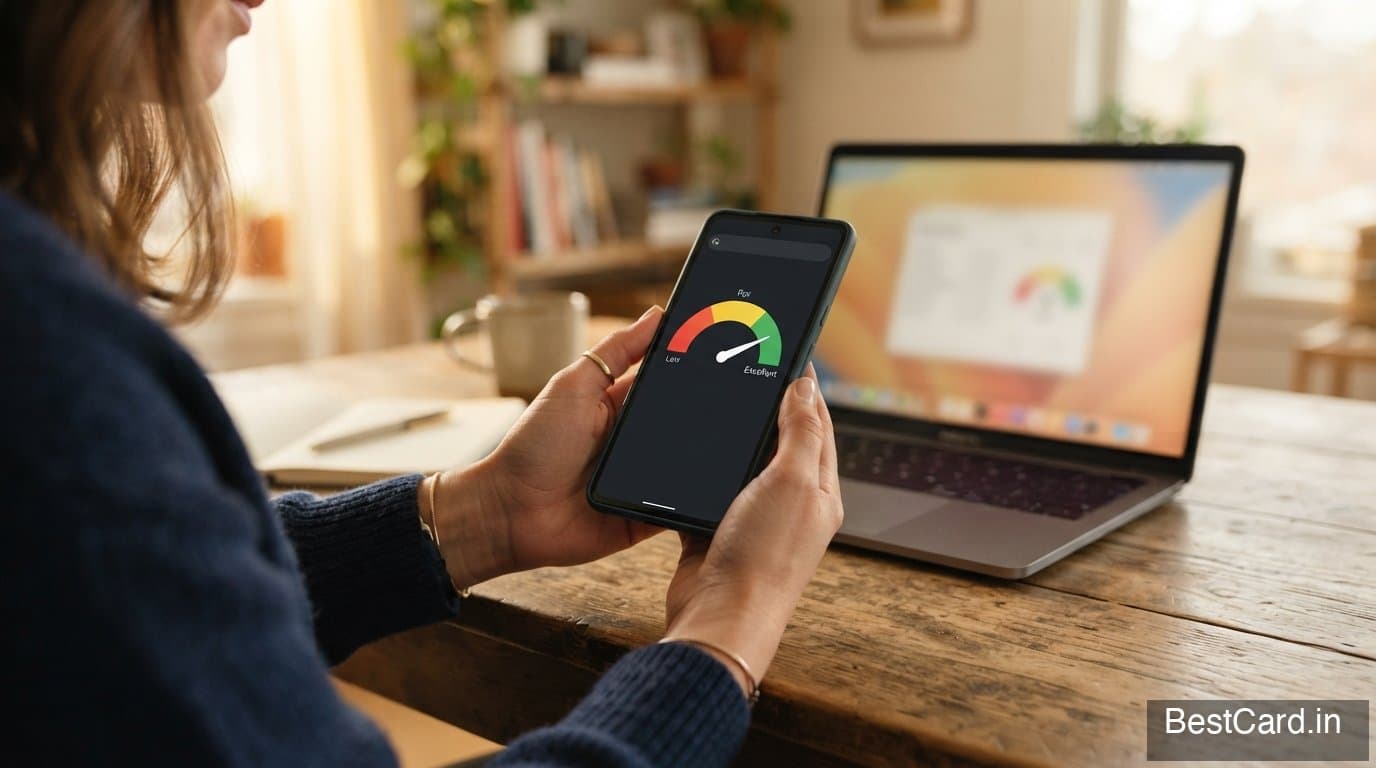
There's a persistent myth that owning too many credit cards drags your CIBIL score down. It's not true in any direct sense. The number of cards in your wallet isn't a scoring factor by itself — what happens with those cards is.
The temporary dip: hard inquiries
Every time you apply for a new card, the lender pulls your credit report, which shows up as a hard inquiry. Each inquiry causes a small, temporary dip in your score, usually recovering within a few months if you don't apply for anything else in the meantime. Applying for four cards in a month looks very different to a lender than holding four cards you opened over several years. The damage isn't from having the cards — it's from the rapid-fire applications.
Why more cards can actually help your utilization
This is the part most people get backwards. Your credit utilization ratio — how much of your total available credit you're using — is one of the bigger factors in your score. If you have one card with a ₹50,000 limit and you regularly spend ₹25,000, you're at 50% utilization, which is high. Add a second card with another ₹50,000 limit and keep your spending the same, and your utilization drops to 25% across a combined ₹1 lakh limit. More available credit, same actual spend, lower ratio — that's usually a positive for your score. Read more on how credit card utilization is calculated.
Where it actually goes wrong
The risk isn't the count of cards, it's what more cards make harder to manage. Two things matter here:
- Missed payments across more accounts. Every card is a separate due date. Miss even one minimum payment and it gets reported, hurting your score more than any utilization benefit helps it. The more cards you hold, the more due dates you're juggling, and the higher the odds one slips through.
- Shorter average account age. Length of credit history matters to your score. If you keep opening new cards every few months, your average account age keeps resetting lower, even if your oldest card has been in good standing for years.
The real takeaway
It's not "how many cards" — it's "can you manage every one of them without missing a payment or losing track of utilization." Someone with five cards, all paid in full every month, will generally have a stronger score than someone with two cards who's missed payments on one. The number is a red herring; management is the actual variable. If you're still building your understanding of what drives your score, start with CIBIL score basics.
Practical guardrails if you hold several cards
Set a calendar reminder or auto-pay for every card's due date, check your combined utilization monthly rather than per-card, and space out new card applications by at least six months so inquiries don't stack up. None of this requires giving up a multi-card strategy — it just requires treating each card as a real obligation, not a forgotten piece of plastic.
Where to go from here
If you're weighing whether adding another card makes sense for you right now, see how many credit cards you should have. For tracking due dates and avoiding the biggest score-killer, read about the minimum due trap.