
HDFC vs Standard Chartered Credit Cards: A Few Premium Points Cards Against a Full Ladder
1 November 2026 · BestCard Editorial Team

Standard Chartered has a short list, and only two of its cards, Ultimate and Beyond, stand out. HDFC has dozens of cards at every price. This comparison is lopsided, and the value of reading it is finding the one or two spots where the smaller bank is the better answer.
Premium points cards
Standard Chartered Ultimate costs ₹5,000 and lists a 3.33% base earn, 2% forex, 4 domestic and 1 international lounge visits and a ₹1,50,000 monthly income floor. HDFC Regalia Gold costs ₹2,500 (waived at ₹4 lakh) with 1.25% base earn, 2.5% on travel, 2% forex and the same ₹1,50,000 floor. Ultimate's base earn is much higher. Regalia Gold is cheaper and its travel redemptions are well documented. Our head-to-head SC Ultimate vs HDFC Regalia Gold works through the maths, and the Ultimate review shows how points are valued.
Beyond and Priority
Standard Chartered Beyond costs ₹25,000 and lists 3.33% base earn and 8 domestic and 8 international lounge visits. HDFC Infinia costs ₹12,500 (waived at ₹10 lakh) with a 3.33% base earn and unlimited lounge access, and Diners Club Black costs ₹10,000. Beyond charges double the Infinia fee for a comparable earn rate, and no waiver is listed. Priority Visa Infinite lists no annual fee with a ₹3,00,000 income floor. For most applicants at this level HDFC is the better value, and Priority is only worth a look if you already hold the qualifying relationship. The HDFC Infinia review covers the redemption side.
Cashback and entry cards
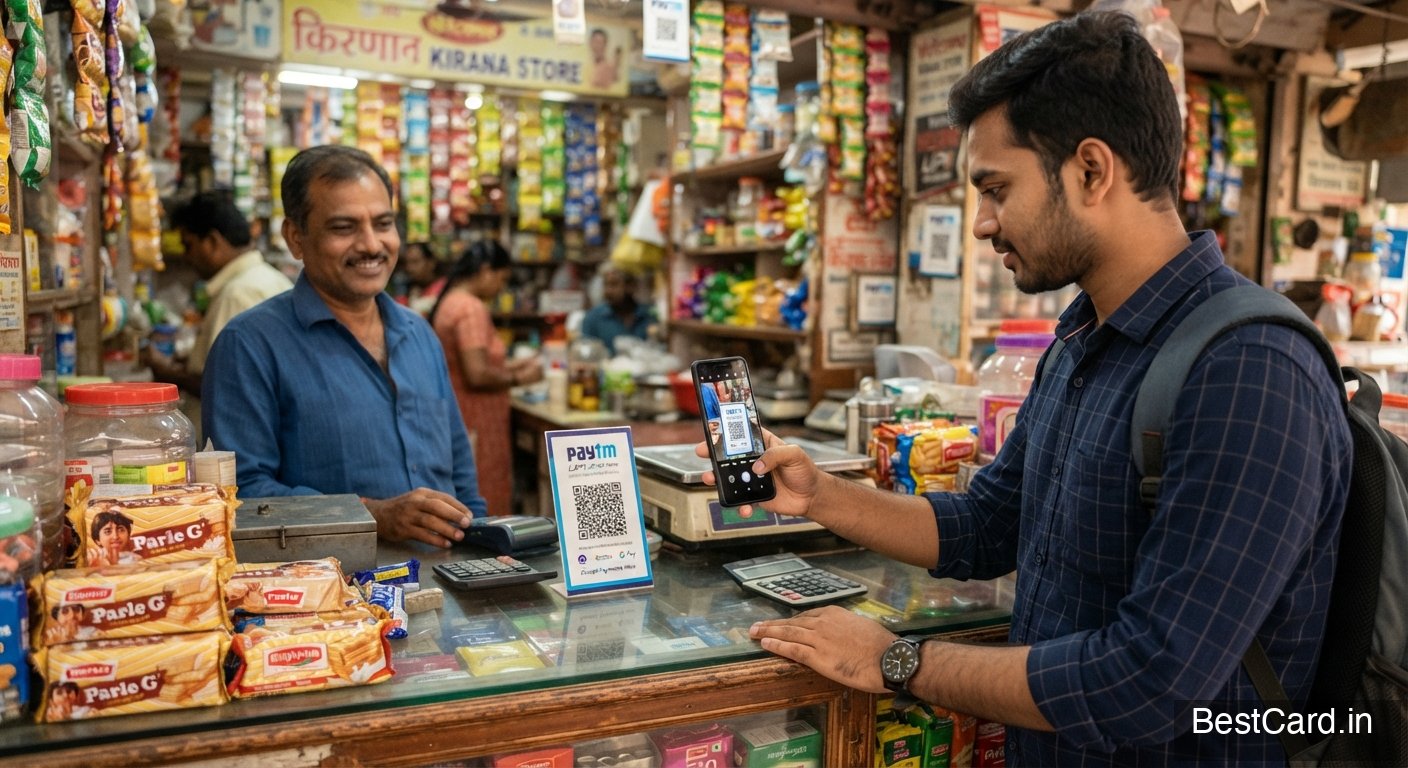
Standard Chartered Manhattan costs ₹999 (waived at ₹1.2 lakh) with 5% on groceries and a ₹25,000 floor. Smart costs ₹499 with 2% online under a ₹1,000 cap. HDFC Millennia (₹1,000, 5% online under a ₹1,000 cap), Swiggy (₹500, 10% dining), MoneyBack+ (₹500) and Freedom (₹500) cover similar ground with lower income floors, often ₹12,000 to ₹20,000. HDFC has the better entry range, and Standard Chartered lists no lounge access on Manhattan, Smart or DigiSmart.
Fuel and utilities caps
Standard Chartered Super Value Titanium costs ₹750 and lists 5% on fuel under a ₹200 monthly cap and 5% on utilities under a ₹100 cap. HDFC IndianOil costs ₹500 (waived at ₹50,000) and lists 5% on fuel under a ₹250 cap and a ₹12,000 floor. HDFC's card is cheaper and has a slightly higher cap. See the HDFC IndianOil review.
Travel booking, co-brands and forex
Standard Chartered EaseMyTrip costs ₹350 (waived at ₹50,000) and lists 2.5% on travel and 15 international lounge visits. That is the standout low-fee card in the Standard Chartered range, and no HDFC card matches that lounge number at the price. HDFC IRCTC lists 8 lounge visits at ₹500 (waived at ₹1.5 lakh), and Marriott Bonvoy (₹3,000) is HDFC's hotel card. Beyond those, HDFC leads on co-brands with Swiggy, Tata Neu Plus, Shoppers Stop and PhonePe.
Standard Chartered Ultimate and Beyond list 2%; the rest list 3.5%. HDFC's Infinia, Diners Black and Regalia Gold list 2%; the rest list 3.5%. The two are level.
Where Standard Chartered wins
Almost everyone starting out should choose HDFC. A ₹1,50,000-a-month spender wanting a flat earn rate over travel categories should compare Ultimate and Regalia Gold directly. A frequent overseas traveller who books through a travel site should look at EaseMyTrip. At the top, Infinia is cheaper than Beyond for the same listed base earn.
Guides and the SC lineup overview
See the HDFC credit cards guide and the Standard Chartered credit cards guide. For the Standard Chartered range more broadly, the lineup guide is a good next stop.
Related reading
- SC Ultimate vs HDFC Regalia Gold 2026: Which Premium Card Wins?
Standard Chartered Ultimate vs HDFC Regalia Gold compared for 2026: fees, reward rates, milestones, lounge access and worked examples at ₹75,000 and ₹2 lakh a month.
- HDFC vs HSBC Credit Cards: HSBC Live+ and TravelOne Against HDFC's Full Ladder
HSBC India lists eight cards, and only Live+ and TravelOne are practical for most buyers. HDFC covers every tier. A comparison of cashback, travel and premium cards.
- AU Bank vs Standard Chartered: Dining and Grocery Caps Compared Line by Line
AU's Altura and LIT cover dining and groceries cheaply; Standard Chartered's Manhattan and Smart trade higher fees for specific rates. Compare the caps.