Metal Credit Cards in India: Style vs Substance
17 April 2026 · BestCard Editorial Team
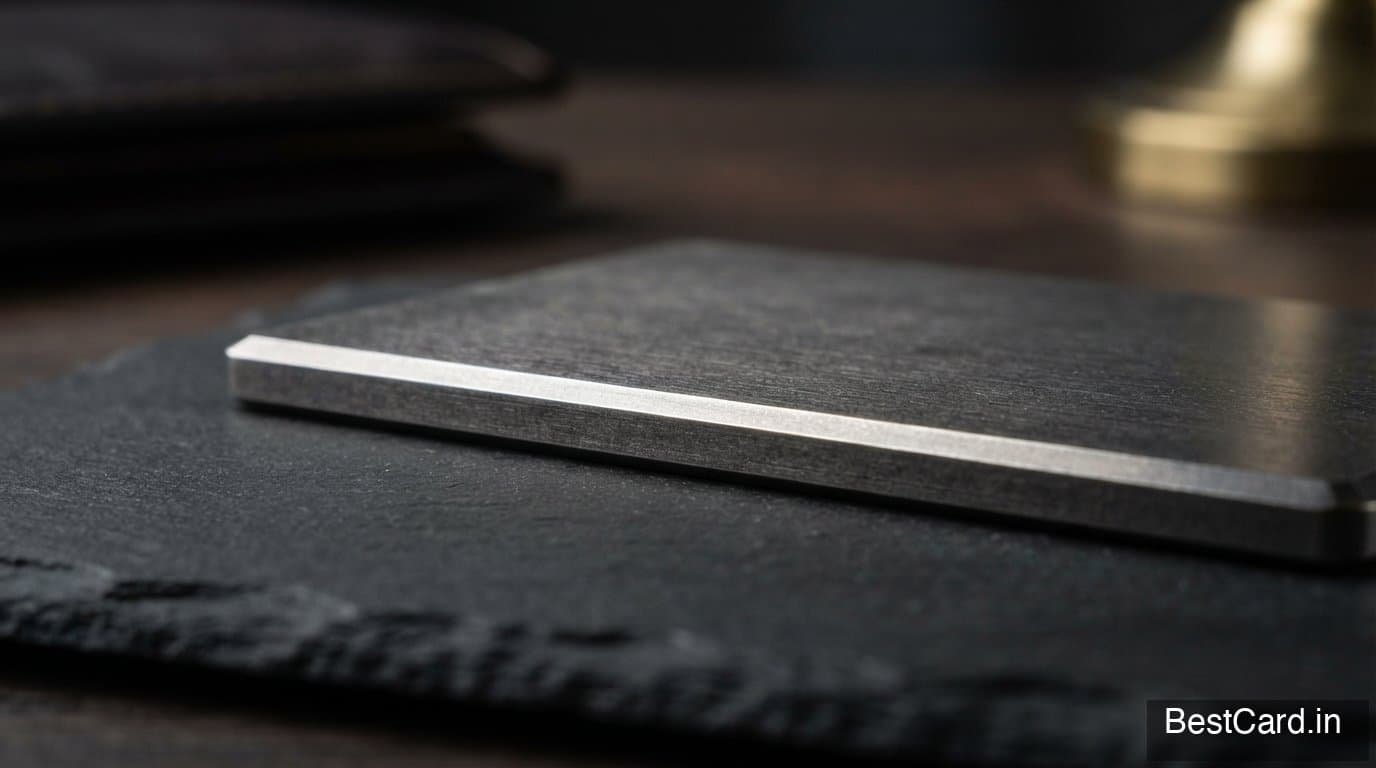
There's a specific satisfaction to the weight and clink of a metal credit card that plastic simply doesn't replicate, and issuers know it — which is exactly why metal card bodies have become a marketing centerpiece for a growing number of premium products in India.
What metal actually changes
Functionally, almost nothing. The card still runs on the same payment network, works with the same tap-to-pay and chip technology, and carries whatever benefits the underlying card product offers — the metal is a shell around the same electronics a plastic card would use. The genuine differences are cosmetic and tactile: a metal card feels heavier, often has a colder initial touch, and tends to photograph better for social media, which is precisely the appeal issuers are selling.
Why issuers push the metal narrative
A metal card body costs the issuer more to produce than plastic, and issuers recover that cost by reserving metal exclusively for their premium and super-premium tier cards, turning the material itself into a status signal correlated with — but not equivalent to — actually strong benefits. This works because most cardholders never separate the two questions: "is this card physically impressive" and "does this card deliver strong value for my spending pattern" are entirely different questions, and metal only answers the first one.
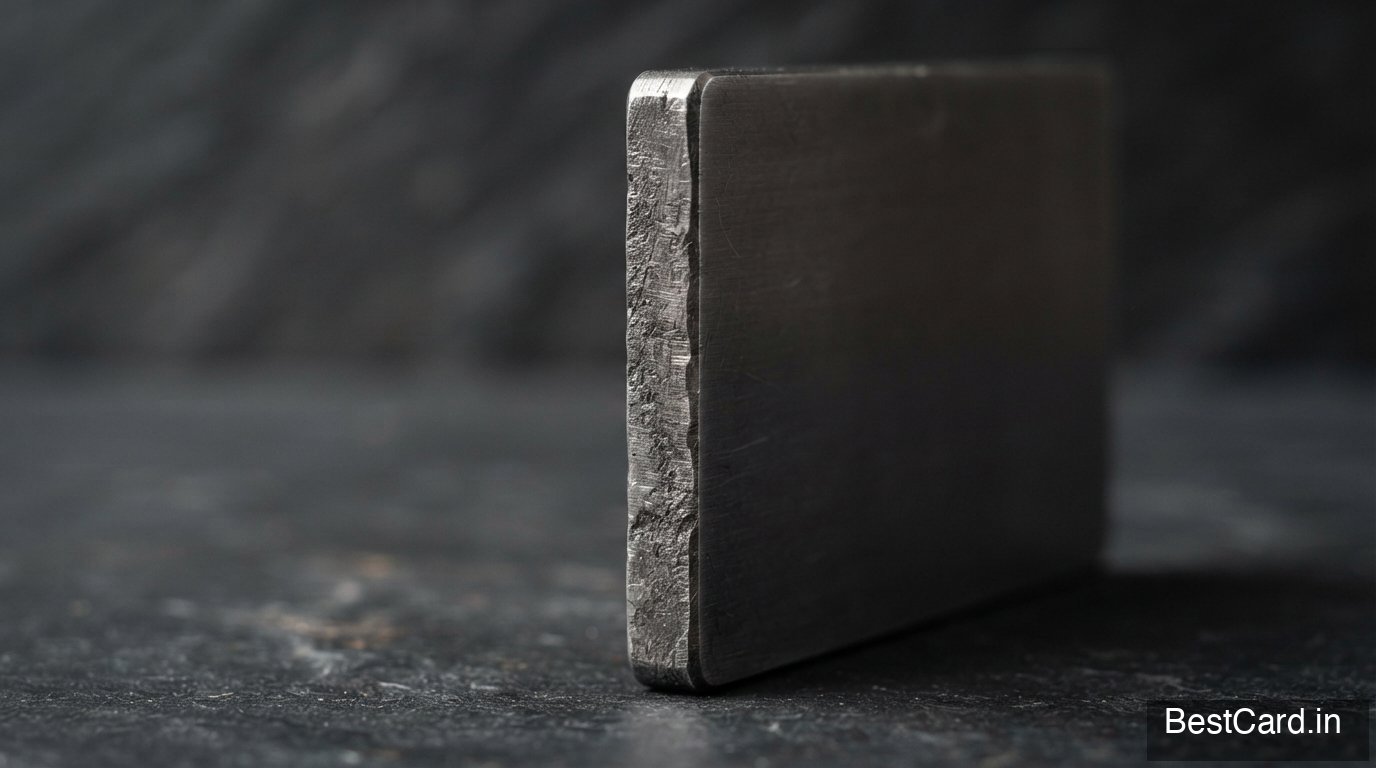
How to evaluate a metal card properly
Ignore the material entirely and evaluate the card exactly as you would any plastic card: reward rate on your actual spending categories, annual fee against realistic benefit usage, lounge access quota, and insurance cover. If a metal card scores well on those factors independent of its material, it's a good card that happens to be metal. If it scores poorly and the pitch leans heavily on the card body, that's a sign the product is selling status rather than value.
Where metal genuinely correlates with better benefits
It's not entirely coincidence that metal cards often do carry stronger benefits — because issuers reserve the material for their top tiers, a metal card is statistically more likely to come bundled with real perks like golf privileges or unlimited lounge access than an average plastic card would be. The correlation exists, but it's not causal, and plenty of excellent plastic cards outperform mediocre metal ones on pure benefit value.
Practical downsides worth knowing
Metal cards are heavier and bulkier in a wallet, sometimes trigger extra scrutiny or manual handling at contactless terminals not calibrated for the weight, and can be more expensive or slower for the issuer to replace if lost or damaged, occasionally extending the replacement timeline compared to a plastic card. None of these are dealbreakers, but they're real tradeoffs rarely mentioned alongside the premium marketing.
The bottom line
A metal card body is a genuine, if purely aesthetic, upgrade — enjoy it if it comes attached to a card whose benefits you'd want anyway. But never let the material be the deciding factor in a card choice; evaluate the underlying product on its actual terms first, exactly as you would any invite-only card or plastic alternative.