
SBI Card PULSE Review: A Fitness Card That Pays for Itself in Year One
13 February 2026 · BestCard Editorial Team
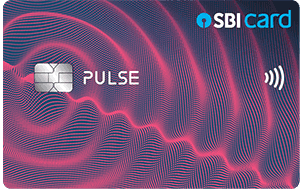
The SBI Card PULSE is SBI's health-and-fitness lifestyle card, and it makes its case before you've swiped it once: a Noise ColorFit Pulse 4 Pro smartwatch worth ₹7,999, dispatched once the joining fee is paid. Add a year of FITPASS PRO and Netmeds First, accelerated points on dining, pharmacy, movies and sports, and an above-average travel insurance bundle, and year one is hard to argue with. Year two depends on whether your spending actually matches the lifestyle the card is built around.
Fees and eligibility at a glance
PULSE charges a ₹1,499 joining fee and a ₹1,499 annual fee, with the renewal fee waived once you spend ₹2 lakh in a year. That's about ₹16,700 a month. You need a credit score of 700 or above, a minimum monthly income of ₹25,000, and an age between 21 and 65, with both salaried and self-employed applicants accepted. SBI doesn't disclose the forex markup or APR on the official product page, and cash advances cost 2.5% or ₹300 at domestic ATMs (3% or ₹300 internationally) with no interest-free period.
Rewards and how they actually work
The base rate is 2 reward points per ₹100. Dining, pharmacy, movies and sports spends earn 10 points per ₹100, five times the base. Points are valued at 25 paise each, which means the bonus categories return ₹2.50 for every ₹100 and everything else returns 50 paise.
Put some numbers on it. Someone spending ₹8,000 a month across restaurants, medicines and movie tickets earns 800 points a month, or 9,600 a year, worth about ₹2,400. That covers the annual fee, but not by a wide margin. Redemption costs ₹99 plus taxes per request, charged once per batch, so redeem in larger chunks.
There's also a milestone: a ₹1,500 e-voucher once you cross ₹4 lakh of spend in a card anniversary year. That's over ₹33,000 a month for well under half a percent extra, so treat it as a bonus, not a reason to apply.
Health, fitness and travel perks
The welcome smartwatch is the standout. At ₹7,999, it covers the ₹1,499 joining fee more than five times over. The FITPASS PRO membership gives a year of gym and fitness-class access, and Netmeds First adds a year of pharmacy discounts and free delivery. If you already pay for a gym or buy medicines online, those memberships carry real value.
Lounge access covers 4 complimentary domestic visits a year, limited to one per quarter. You also get a 2-year complimentary Priority Pass membership worth $99, but it gives paid-entry access, not free visits. Insurance includes ₹1 lakh fraud liability cover, ₹72,000 for baggage loss, ₹7,500 for baggage delay, ₹12,500 for loss of travel documents and ₹7,500 for flight delay. A 1% fuel surcharge waiver applies at the pump, capped at ₹250 per billing cycle.
How it compares with SBI Card PRIME and Apollo SBI Card
The SBI Card PRIME is the natural step up. It costs ₹2,999 with a ₹3 lakh waiver, and its 10 points per ₹100 apply to dining, groceries and department stores, with utility bills earning 20 points per ₹100. It also includes 8 domestic and 4 international lounge visits through Priority Pass and ₹50 lakh air accident cover. If groceries and electricity bills are a large share of your month, PRIME earns more. If your bonus spend is mostly restaurants, pharmacies and movie tickets, PULSE does the job for half the fee.
The Apollo SBI Card is SBI's other health-leaning option, at ₹499 with the fee waived on ₹1 lakh of annual spend. It gives value back on Apollo Pharmacy and Apollo 24|7 spends, though SBI hasn't fully disclosed the base-tier reward split, and there's no lounge access. If your healthcare spending already runs through Apollo, it's the cheaper choice. PULSE's pharmacy bonus isn't tied to one brand, and it brings travel perks Apollo doesn't.
What's genuinely good about this card
The smartwatch alone makes year one a net gain, which is rare at this fee. The memberships fit the card's theme and save real money for regular gym-goers and pharmacy buyers. The travel insurance package is above average for a mid-tier card. And the ₹2 lakh waiver is realistic for someone using PULSE as a primary lifestyle card.
Where it falls short
The bonus categories are niche. Groceries, fuel, utility bills and online shopping, which make up most household budgets, earn only the 0.5% base rate. The welcome gift and memberships are one-time or one-year benefits, so from year two the card stands on a ₹2.50-per-₹100 rate in a handful of categories. The undisclosed forex markup makes it hard to recommend abroad. And the Priority Pass membership sounds more generous than it is, since every visit beyond the 4 domestic ones costs money.
Who this card actually makes sense for
PULSE suits a salaried or self-employed professional who eats out often, buys medicines every month, goes to the gym, and flies domestically a few times a year. For that person, year one is close to free money and later years still cover the fee. Pair it with a cashback card for groceries and online shopping. If your spending is mostly household essentials, PULSE will look good for twelve months and then quietly underperform.
Where to go from here
For other ways to save on health and fitness spending, see our guides to the best credit cards for gym and fitness memberships and the best credit cards for pharmacy and medicine purchases. For SBI's full lineup, the SBI credit cards guide and our best SBI credit cards roundup cover the rest.
Related reading
- SBI SimplyCLICK Card Review: A Starter Card for Online Shoppers
How the SBI SimplyCLICK Card's 10X rewards on Amazon and partner merchants work, its fees, and whether it's the right first card.
- SBI Cashback Card Review: Flat 5% on Every Online Purchase
A practical look at the SBI Cashback Card's flat 5% online cashback, the monthly cap, fees, and who should actually apply for it.
- SBI Air India Signature Credit Card Review: Is It Worth It?
SBI Air India Signature is a co-branded travel card with accelerated miles on Air India bookings and lounge access — here's whether it beats a general travel card.