
SBI vs Standard Chartered Credit Cards: Ultimate and Beyond Against Everything Else SBI Sells
16 October 2026 · BestCard Editorial Team
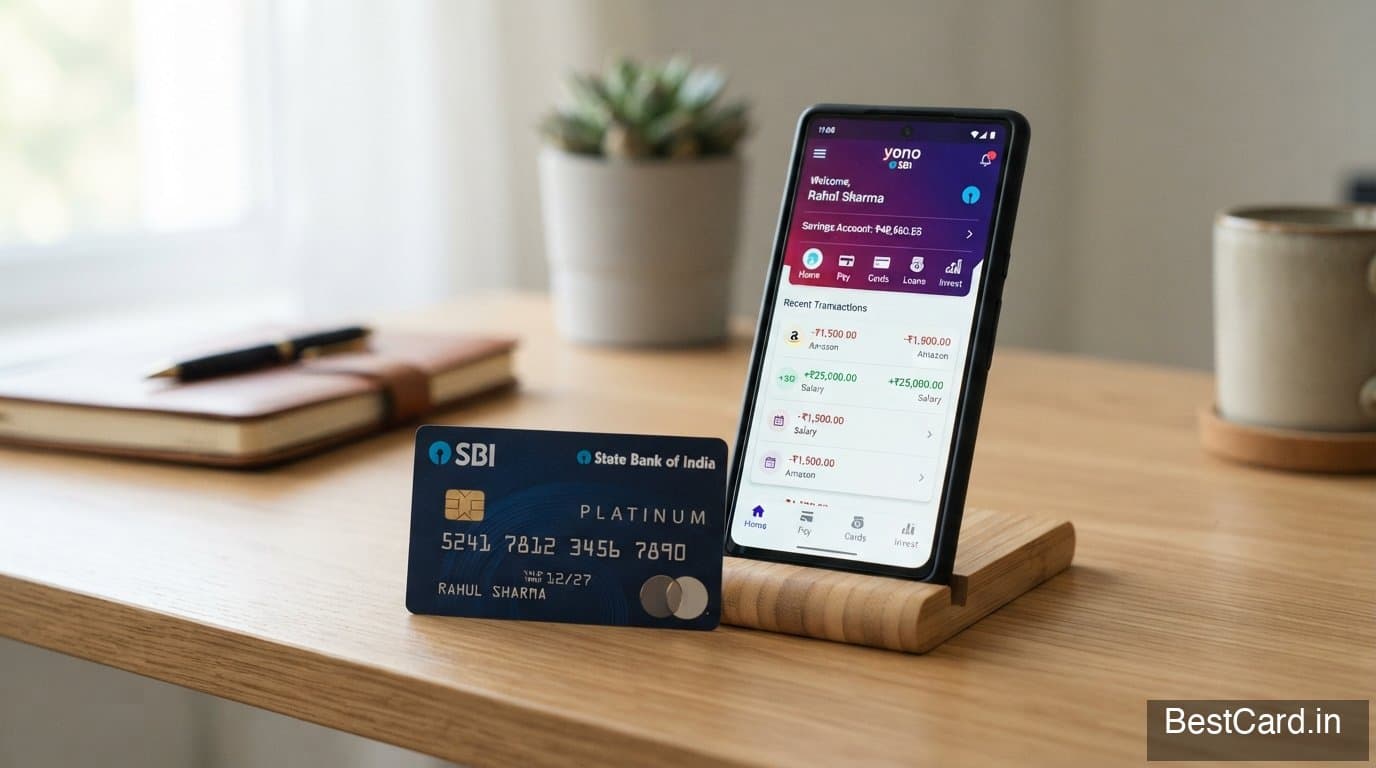
Standard Chartered's lineup has two cards worth discussing, Ultimate and Beyond, and several entry cards that are hard to recommend over SBI's. SBI Card offers more at nearly every price point, with a few exceptions at the premium end.
The premium points cards
Standard Chartered Ultimate costs ₹5,000 and lists a 3.33% base earn, 2% forex, 4 domestic and 1 international lounge visits and a ₹1,50,000 monthly income floor. SBI Elite costs ₹4,999 (waived at ₹10 lakh) and lists 0.5% base earn, 2.5% on dining and groceries, 1.99% forex and a ₹60,000 floor. Ultimate's flat earn rate is higher, which helps on categories where Elite earns nothing special. Elite has more lounge visits and a floor that is far lower. See our Standard Chartered Ultimate review and SBI Elite review.
At ₹25,000 a year
Beyond costs ₹25,000 and lists 3.33% base earn, 2% forex and 8 domestic and 8 international lounge visits. Priority Visa Infinite lists no annual fee, a ₹3,00,000 income floor and 4 domestic and 2 international visits. SBI Aurum costs ₹9,999 (waived at ₹12 lakh) with a ₹3,30,000 floor, and KrisFlyer Apex also costs ₹9,999. Beyond charges two and a half times the Aurum fee for similar lounge counts. Priority is only worth considering if you already hold a qualifying relationship with the bank, since it lists no fee but a high income floor.
Entry and cashback
Manhattan is ₹999 (waived at ₹1.2 lakh) with 5% on groceries and a ₹25,000 floor. Smart is ₹499 with 2% online capped at ₹1,000 a month. SBI Cashback (₹999) lists 5% online at ₹2,000 a month, and SimplySAVE (₹499) lists 6.7% on dining and groceries. SBI's entry cards are stronger in nearly every case, and the lounge side adds nothing for Standard Chartered here, since no complimentary lounge visits are listed on Manhattan, Smart or DigiSmart.
The Titanium against the Octane
Standard Chartered Super Value Titanium costs ₹750 and lists 5% on fuel (capped at ₹200 a month) and 5% on utilities (capped at ₹100). SBI BPCL Octane at ₹1,499 lists 25% on fuel under a ₹625 monthly cap, and the plain BPCL card at ₹499 lists 3.25% on fuel capped at ₹325. For most fuel users SBI is the stronger option, as the Octane's cap is much higher than the Titanium's.
Co-brands and merchants
Standard Chartered offers EaseMyTrip (₹350, with 15 international lounge visits listed). SBI has dozens of merchant and airline cards. If you want a specific brand, SBI will probably have it. The EaseMyTrip card is the one Standard Chartered co-brand worth a look for travel bookings.
Who ends up where
High earner who wants a strong flat earn rate: Standard Chartered Ultimate. Mid-income dining or grocery spender: SBI. Student or beginner: SBI. Super-premium at a lower fee: SBI Aurum, not Beyond. Someone with a Priority banking relationship: ask the bank about Priority Visa Infinite. Frequent traveller who books through a travel site: the EaseMyTrip card is the narrow case where Standard Chartered wins.
Guides and related comparisons
Our SBI credit cards guide and Standard Chartered credit cards guide hold the full lists. For more on Standard Chartered's premium pair, read SC Ultimate vs HDFC Regalia Gold.
Related reading
- SBI vs Yes Bank Credit Cards: Everyday RuPay Range Against a Top-Heavy Lineup
Yes Bank has strong premium cards in Reserv and Marquee but thin entry options; SBI Card is the reverse. See where the split lands for UPI, travel and fees.
- AU Bank vs Standard Chartered: Dining and Grocery Caps Compared Line by Line
AU's Altura and LIT cover dining and groceries cheaply; Standard Chartered's Manhattan and Smart trade higher fees for specific rates. Compare the caps.
- RBL vs Standard Chartered: Paid Perks and Zero Forex Against One Flat-Rate Card
RBL builds around zero forex and fuel co-brands; Standard Chartered leads with the Ultimate flat rate and low-fee cashback. Compare fees and lounge access.