
SBI vs Yes Bank Credit Cards: Everyday RuPay Range Against a Top-Heavy Lineup
6 November 2026 · BestCard Editorial Team
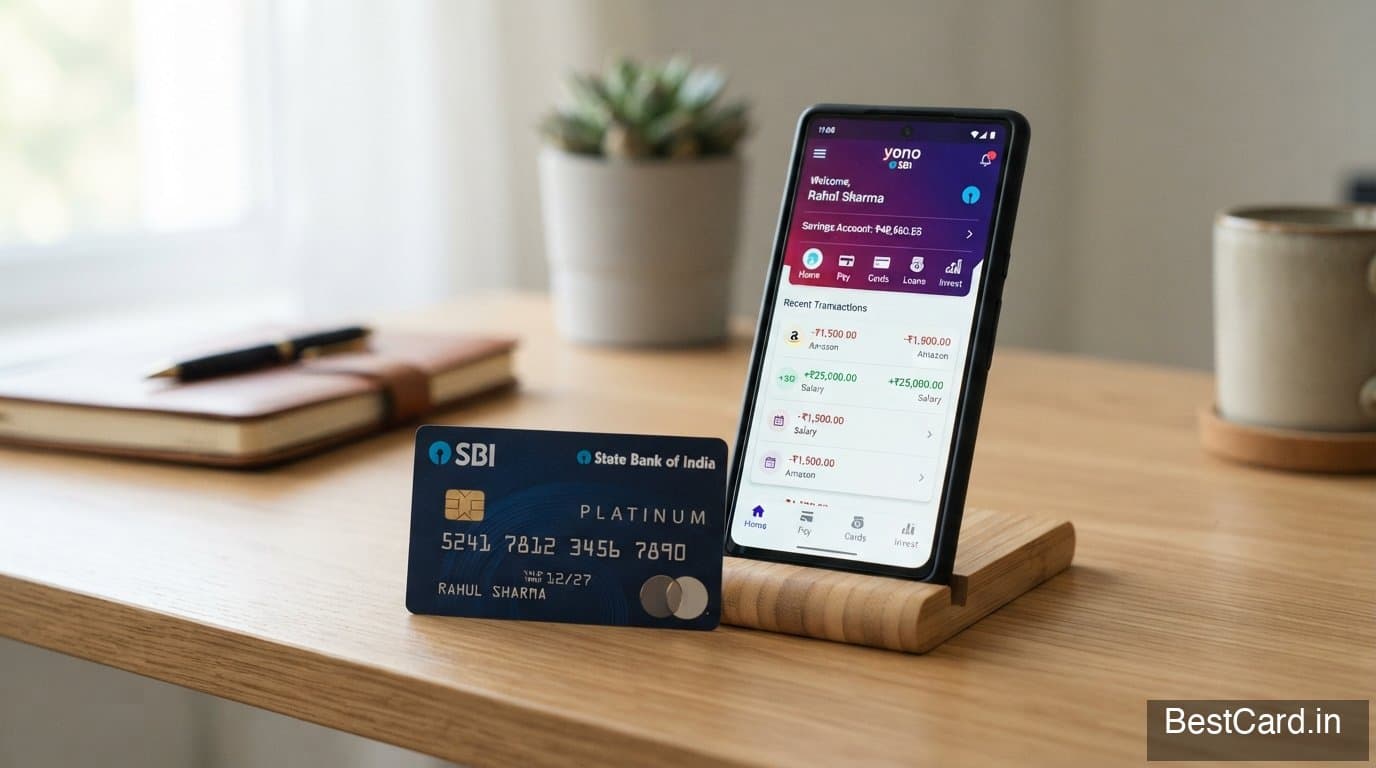
Yes Bank's best cards sit at the top of its lineup, with Reserv, Marquee and the Private cards, while its entry options are thin. SBI Card is built the other way round, with a long list of cards under ₹1,500 and a smaller premium end. Which one suits you depends on how much you spend and how you plan to pay.
Premium: Yes Bank punches above its fee
Yes Reserv costs ₹2,499, waived at ₹3 lakh, and lists unlimited lounge access, 4% base earn and 8% on travel, with a ₹2,00,000 monthly income floor. Marquee is ₹4,999 (waived at ₹10 lakh) with 1% forex, 3% base earn, 6% on travel and 5% on dining. Compare that with SBI Elite at ₹4,999, which lists 0.5% base, 2.5% on dining and groceries, 8 domestic and 6 international lounge visits, and a ₹60,000 income floor. The Yes cards earn more per rupee, but only for applicants who clear a much higher income bar. For a salaried professional at ₹60,000 a month, SBI Elite is the one you can actually get. Our Yes Reserv review and Marquee review go deeper.
Mid-tier: dining and travel
Yes FIRST Preferred is ₹999 (waived at ₹2.5 lakh), lists 4% on dining and travel, 2 domestic and 4 international lounge visits, and asks for just ₹24,000 a month. That is a very accessible mid-tier card. SBI PULSE (₹1,499) lists 10% on dining, and PRIME (₹2,999) gives 5% on utilities and 2.5% on dining and groceries. SBI charges more but spreads rewards across more categories; Yes FIRST Preferred is cheaper and easier to qualify for. The Yes ELITE+ review covers the sibling card.
RuPay on UPI
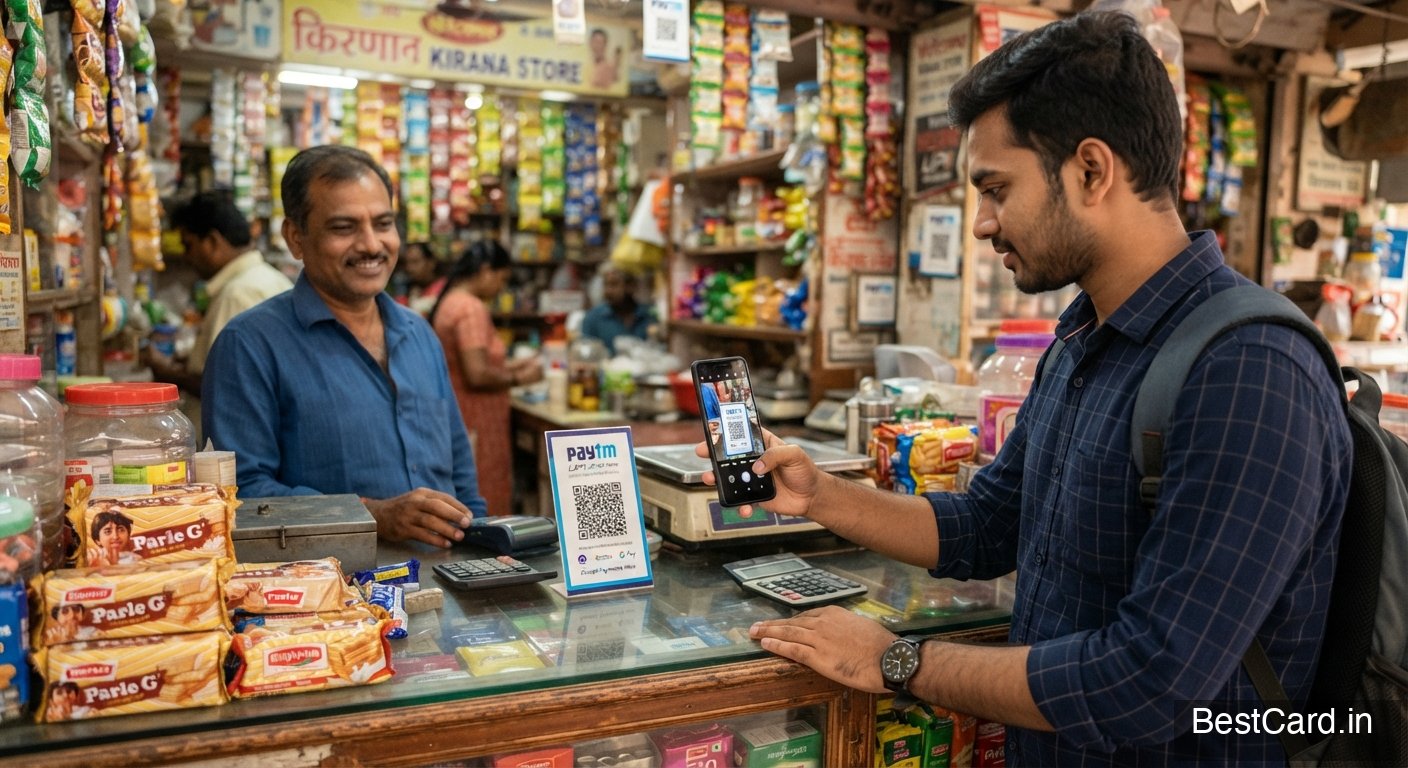
SBI has several RuPay cards: Unnati at ₹499, IRCTC at ₹500, Flipkart at ₹500 (waived at ₹3.5 lakh), PhonePe PURPLE at ₹499, and the SimplySAVE UPI card at ₹499 with 6.6% on dining and groceries under a ₹5,000 monthly cap. Yes Bank has Klick RuPay and Uni RuPay at no annual fee, plus the POP-CLUB at ₹399. If you want to pay by UPI from a credit card, SBI offers the wider choice and the stronger rewards; Yes Bank's pair is the cheaper entry. Our RuPay credit cards on UPI guide explains how linking works.
Entry-level shopping
SBI Cashback (₹999) offers 5% online with a ₹2,000 monthly cap, and SimplyCLICK at ₹499 offers 2.5%. Yes Bank ACE at ₹499 lists 1% online, and EMI at ₹499 lists 3% online up to ₹1,000 a month. SBI is clearly ahead here. Yes Bank's entry cards do not compete with the SBI Cashback Card on online shopping.
Forex and fees at a glance
Yes Reserv lists 2% forex, Marquee 1%, and the Private cards 0.5%. SBI mostly lists 3.5% apart from Elite, Miles ELITE and Aurum at 1.99%. Anyone who spends abroad will find Yes Bank's premium cards cheaper to use overseas. For domestic spend, the difference disappears.
Who should pick which
A high earner who spends a lot and can clear the income floor should take Yes Reserv or Marquee. A first-time applicant, or anyone below about ₹60,000 a month, will do better with SBI Cashback, SimplyCLICK or Elite. A mid-range spender who dines out should compare Yes FIRST Preferred and SBI PULSE directly, because the Yes card is easier to qualify for while PULSE lists the higher dining rate.
Where to go next
Start with the SBI credit cards guide and the Yes Bank credit cards guide. For a related view of Yes Bank against another private lender, read Yes Bank vs Kotak credit cards.
Related reading
- Yes Bank vs AU Bank Credit Cards: ₹299 Lounge Cards Against Yes Bank's Unlimited Reserv
AU puts spend-gated lounge visits on ₹199 and ₹299 cards, while Yes Bank offers unlimited access at ₹2,499. Fees, forex and income floors compared card by card.
- Yes Bank vs HSBC Credit Cards: A ₹24,000 Income for a Lounge Card or ₹1,00,000 for Cashback
Yes FIRST Preferred costs ₹999 and asks for ₹24,000 a month in income. HSBC Live+ costs ₹999 and asks for ₹1,00,000. How the two lineups differ.
- SBI vs Kotak Credit Cards: A Wide Shelf Against a Few Sharp Cards
SBI Card sells something for almost every spending pattern; Kotak's lineup is smaller, but Zen Signature, Cashback+ and Air+ still earn a place. Where each bank leads.