Best Credit Card for Paying Insurance Premiums (LIC, Health, Term)
18 March 2025 · BestCard Editorial Team
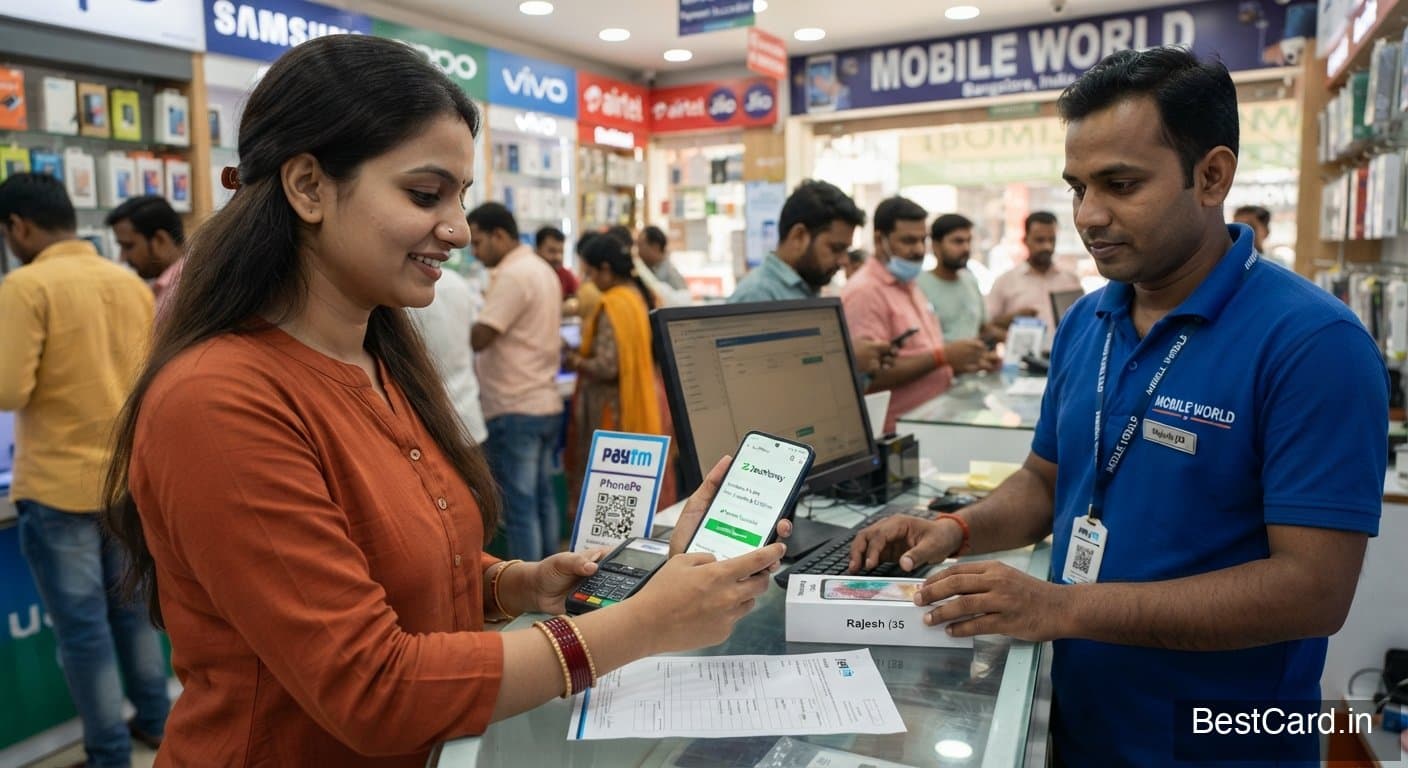
Insurance premiums are large, recurring, and predictable — exactly the kind of spend that should earn you rewards. But most insurers either charge a surcharge for card payments or don't accept cards at all on their own portal, which is why this needs more thought than a normal purchase.
Where you can actually pay by card
LIC's own premium payment portal accepts credit cards but routes the transaction through a payment gateway that typically adds a 1-2% convenience fee, sometimes higher depending on the card network. Private insurers — health insurers like Star Health, HDFC Ergo, or Care, and term insurers like ICICI Prudential or Max Life — usually accept cards directly during purchase or renewal without an extra fee, since the premium collection sits on their own website rather than a third-party gateway. Always check the payment page before assuming a surcharge applies; it varies insurer to insurer and sometimes bank to bank.
When the surcharge still makes sense
If your card earns 2% or more in cashback or reward value, and the surcharge is 1-1.5%, you're still net positive, though barely. The math only works if you're not paying interest — this only makes sense when you clear the statement in full, never as a way to defer a premium you can't otherwise afford. A cashback card with a flat, uncapped rate is easier to calculate against a surcharge than a points card where the redemption value is uncertain; see our breakdown of rewards vs cashback if you're unsure which type suits you.
Cards worth using for this
For LIC and gateway-routed premiums, a card with a high flat cashback rate on "other/utility" spend categories works best, since insurance payments usually get bucketed there rather than under a bonused category. The SBI Card range includes cashback variants that don't exclude insurance payments from earning, which matters — several premium travel cards specifically exclude insurance, utilities, and government payments from reward accrual, so check the exclusion list before assuming a high headline rate applies.
Watch the exclusion list, not just the reward rate
This is the part people miss. Cards with strong headline rewards — 3-5% on select categories — very often carve out insurance, rent, wallet loads, fuel, and government payments as "excluded" or "reduced rate" categories in the fine print. A card offering a flat, uncapped 1-1.5% with no exclusions frequently earns you more real cashback on an insurance premium than a 5% card that excludes the transaction entirely. Read your card's reward T&Cs specifically for the word "insurance" before assuming it counts.
EMI conversion isn't usually worth it here
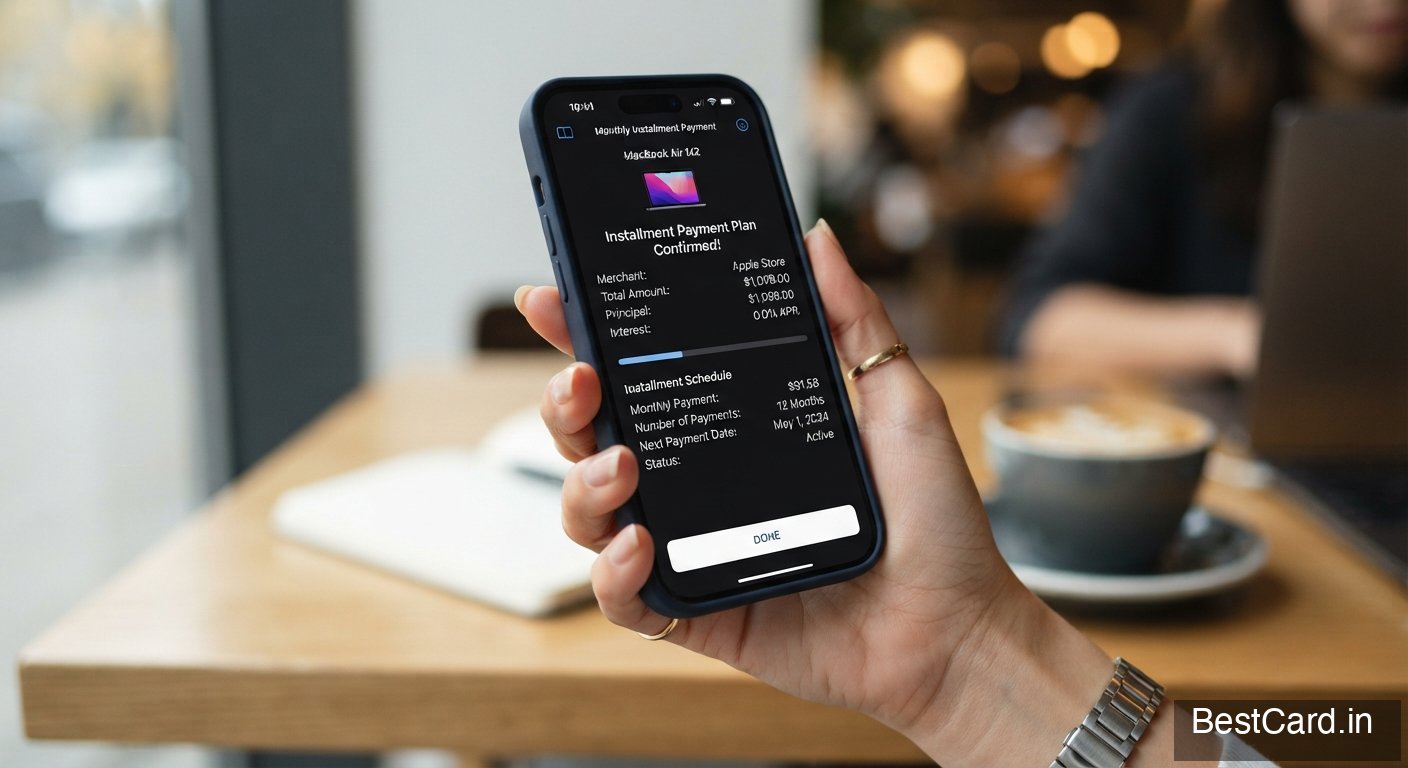
Some banks let you convert a large premium payment to EMI after the fact. Unless you're facing genuine cash flow pressure, avoid this — EMI conversion carries processing fees and interest that will outweigh whatever reward or surcharge math worked in your favor on the original transaction. A premium is a known, annual expense; budget for it like one rather than financing it.
The simple rule
Pay by card only when: the insurer doesn't charge a surcharge, or the surcharge is smaller than your reward rate, and you're paying the statement off in full. Otherwise, net banking or a direct bank transfer avoids the fee entirely and costs you nothing beyond the premium itself — which, for a payment this size, is often the better outcome even without the cashback.