Credit Card Grace Period Explained: How to Never Pay Interest
21 July 2026 · BestCard Editorial Team
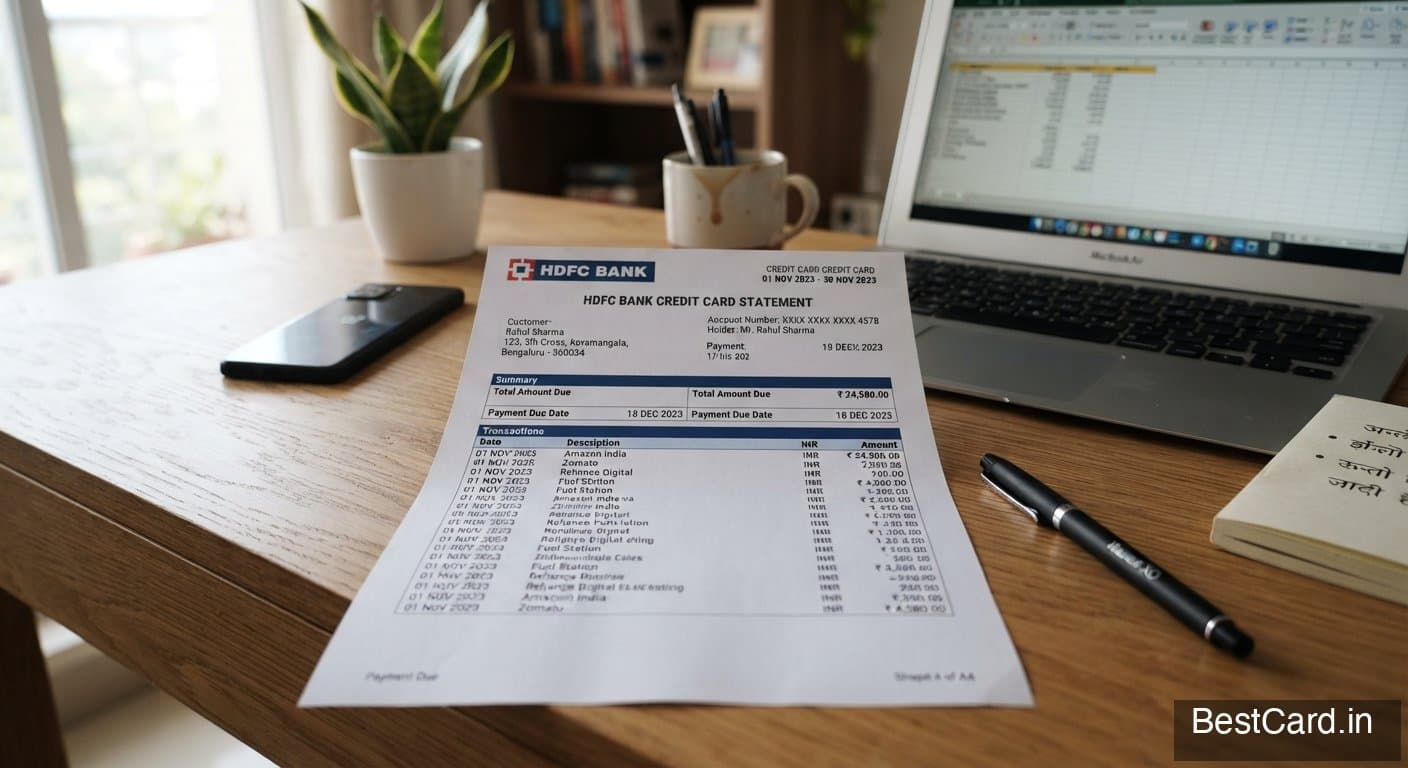
The grace period is the single biggest reason credit cards can be a genuinely free financing tool rather than an expensive one — and it's also the piece of the fine print most cardholders misunderstand until they get an interest charge they didn't expect. Getting this right is the difference between a credit card costing you nothing and costing you a lot.
What the grace period actually is
Most Indian credit cards offer an interest-free period of roughly 18–50 days, measured from the transaction date to the payment due date — not a fixed 50 days from every purchase. A transaction made right after your statement is generated gets close to the full window; one made the day before your statement closes gets almost none, since it's due on the very next cycle's due date. This is why the same card can feel "free" for some purchases and interest-heavy for others depending purely on timing.
The condition that unlocks it: paying in full
The grace period only applies if you paid your previous statement's total amount due in full, on time, with no carried-over balance. The moment you pay only the minimum due, or pay late, the grace period disappears entirely — not just on the unpaid balance, but typically on all new transactions too, which get charged interest from the transaction date itself until you clear the full balance again. This is the single most misunderstood rule in Indian credit card billing.
Cash withdrawals don't get a grace period
Cash advances on a credit card are charged interest from the day of withdrawal, with no grace period at all, regardless of your payment history. If you're considering a cash withdrawal in an emergency, know going in that it starts accruing interest immediately — see our credit card cash withdrawal guide for the full cost breakdown.
How to read your own grace period
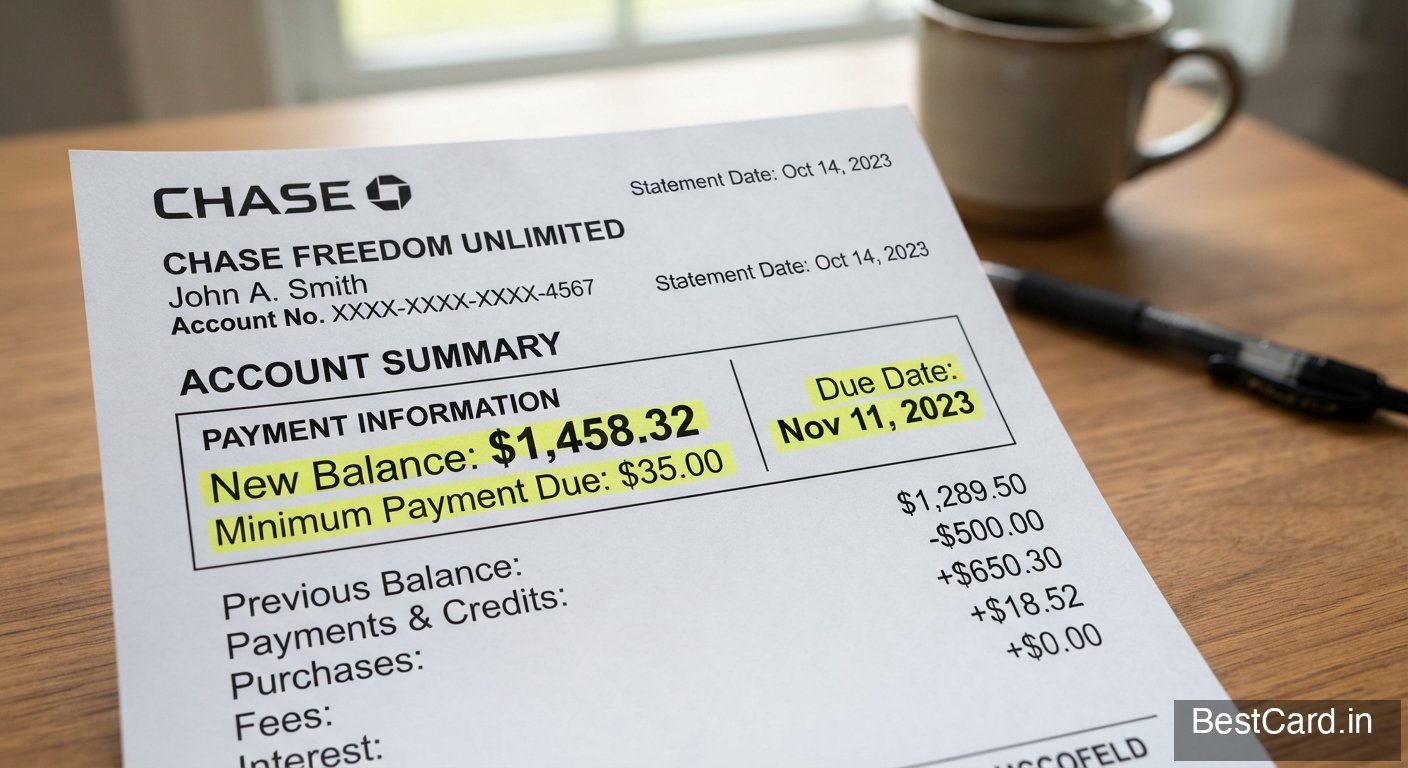
Your statement shows the statement date and the payment due date — the gap between them is roughly your grace period for transactions made early in the cycle. Our how to read your credit card statement guide walks through exactly where to find these dates and what else on the statement matters.
The trap: reinstating the grace period
If you've lost the grace period by carrying a balance, it typically doesn't come back the moment you pay off the balance — most issuers require one full billing cycle of paying in full before interest-free status returns. This is why a single missed full payment can cost you more than one cycle's worth of interest; it can cost the grace period on the next cycle too.
Where to go from here
Read minimum due trap on credit cards to understand exactly how losing the grace period compounds, and how to read your credit card statement to track your own due dates precisely.
Frequently asked questions
How long is the grace period on an Indian credit card?
Roughly 18-50 days, measured from the transaction date to the payment due date — not a fixed 50 days from every purchase.
Why does the same card feel free sometimes and interest-heavy other times?
A purchase made right after your statement is generated gets close to the full grace window; one made just before the statement closes gets almost none.