Which Credit Cards Don't Give Rewards on UPI Payments?
14 May 2025 · BestCard Editorial Team
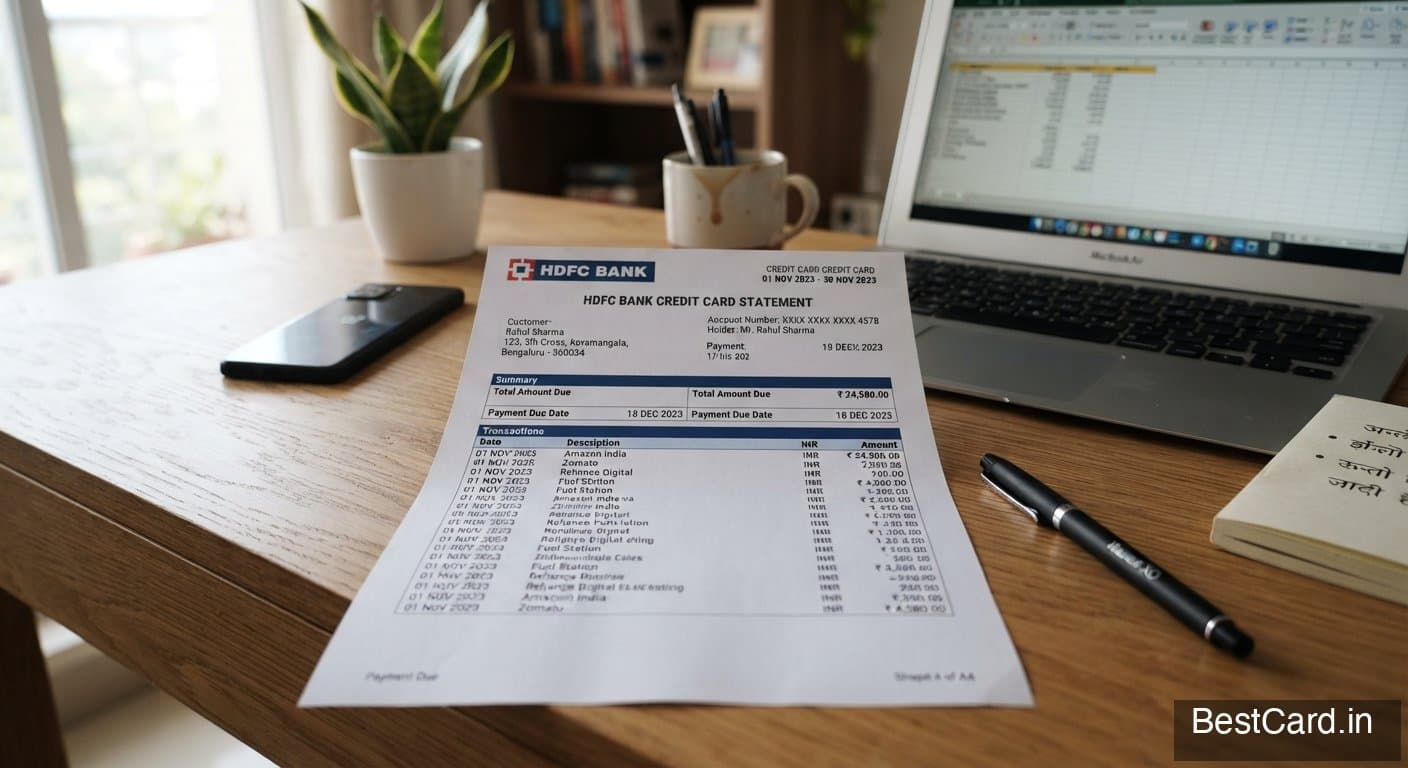
RuPay-on-UPI got so much coverage as a new feature that most people assume every card now earns rewards on UPI spend by default. It doesn't. A large chunk of premium and super-premium cards either exclude UPI transactions from reward earning altogether or cap them at a fraction of the normal rate, and issuers rarely put this front and center in marketing.
Why banks carve UPI out of rewards
UPI transactions cost merchants nothing in MDR (merchant discount rate) under current RBI rules for most payment rails, and even where a card network fee applies, it's much thinner than what card networks earn on a standard swipe or online transaction. Reward points are funded out of that merchant fee. When the fee shrinks to near zero, the bank has no margin to fund 2-5% reward rates, so it either excludes UPI from earning or drops the rate to something token, often 0.25-0.5%. This isn't a bug in the program — it's the direct financial logic behind it.
Cards known to exclude or cap UPI rewards
Most super-premium travel and lifestyle cards — the ones built around 3-5% reward rates on categories like travel, dining, or online shopping — routinely list UPI, wallet loads, rent, fuel, and government payments as "excluded" or "reduced rate" categories in their terms. This is standard practice across HDFC's premium lineup, ICICI's top-tier cards, and several Axis cards outside their UPI-specific variants. Cashback cards are inconsistent: some pay full cashback on UPI, others silently cap it. The SBI Card portfolio is a mixed bag too — some SBI cards support UPI linking and reward it reasonably, others don't. There's no reliable shortcut here: card tier or bank name alone won't tell you.
How to actually check your card
Don't trust the headline reward rate on the card's landing page — go to the "reward points terms and conditions" or "MITC" (Most Important Terms and Conditions) document, which every issuer publishes, and search for "UPI." It will either be listed as an excluded category, a reduced-rate category, or not mentioned at all (which usually, but not always, means standard rate applies). If your card supports RuPay-on-UPI linking at all, that's a separate question from whether the transactions earn rewards once linked — plenty of cards let you link and pay via UPI but still exclude that spend from points.
What this means for how you use the card
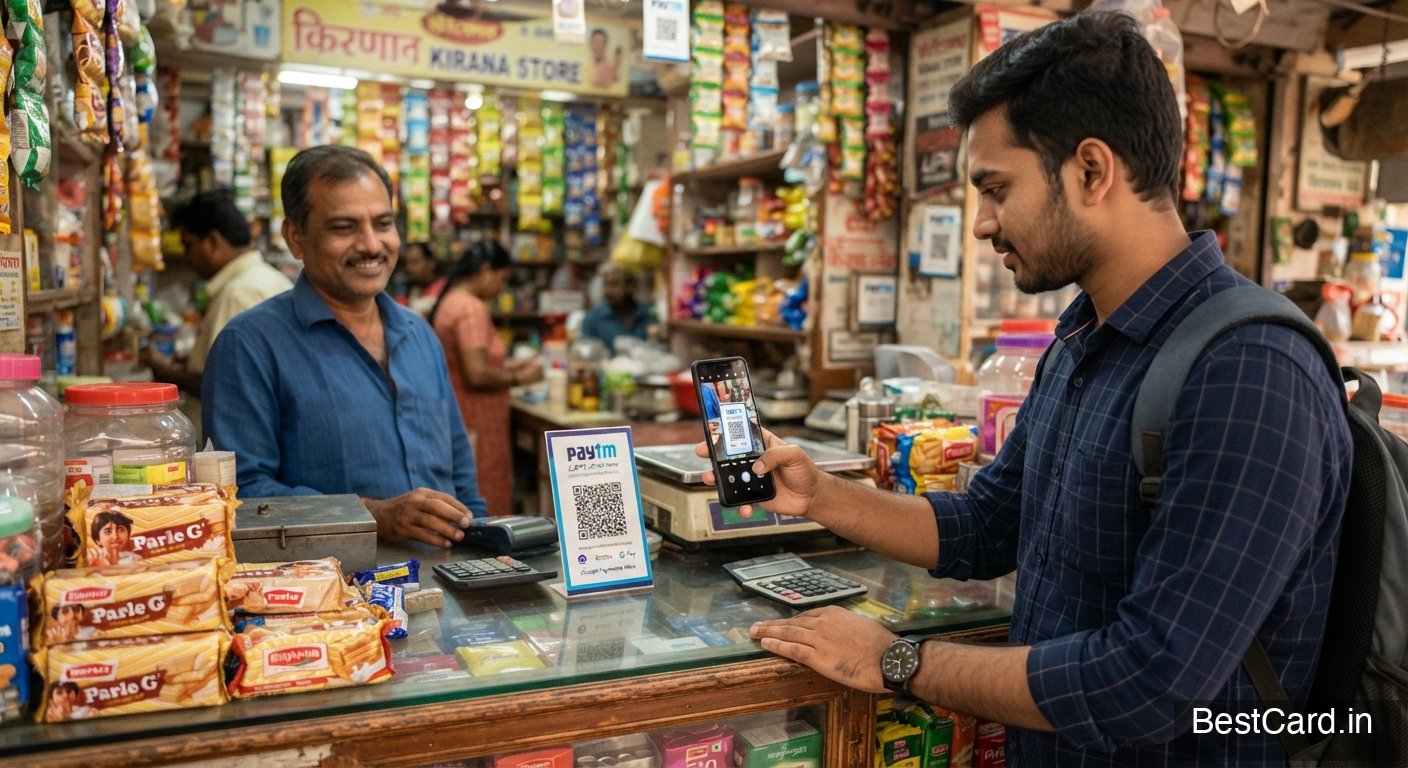
If your card excludes UPI from rewards, route your everyday QR-code spending — chai, autos, small kirana purchases — through a card that doesn't, and save the excluded card for the categories it actually rewards well, like travel or dining. Mixing cards by category isn't inefficient, it's how you avoid leaving points on the table. For a broader comparison of which reward structures make sense for which spending patterns, see our guide on rewards vs cashback cards.
The takeaway
Don't assume UPI rewards just because a card is RuPay-enabled or premium. Read the MITC, and if UPI is a meaningful chunk of your monthly spend, that exclusion should weigh as heavily in your card choice as the annual fee or lounge access does. If you're specifically hunting for a card that rewards daily UPI spend well, our guide on the best card for daily UPI spending is the more useful next read.