Best Credit Cards for Doctors in India
7 February 2026 · BestCard Editorial Team
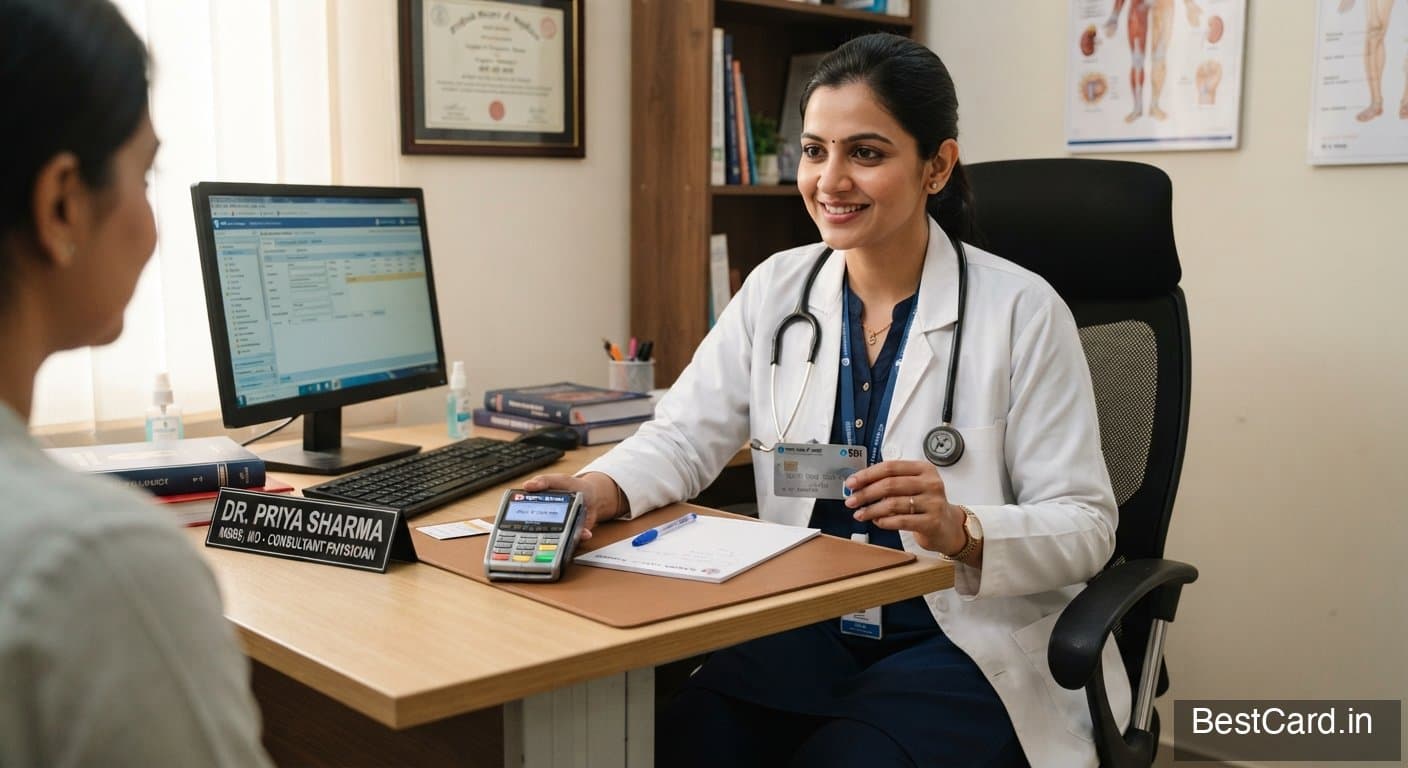
Doctors occupy an unusual space in Indian credit card underwriting — many issuers treat the medical profession as inherently low-risk, regardless of whether the applicant is a salaried hospital employee or runs an independent practice. That's why several banks run cards specifically branded and priced for doctors, often with relaxed income documentation and perks tuned to the profession.
Why doctor-specific cards exist
Banks compete for doctors as a customer segment because the profession has historically low default rates and high lifetime value — practice equipment purchases, continuing education, and steady long-term income all make doctors attractive customers. In exchange, issuers waive some of the standard friction: lower minimum income thresholds, acceptance of practice registration or medical council certification instead of a conventional salary slip, and sometimes preferential annual fee waivers.
Issuers with doctor-focused cards
ICICI Bank, HDFC Bank, and Axis Bank all run cards or variants specifically positioned for medical professionals, typically bundled into their premium or professional-card tiers rather than sold as a fully separate product line. Check the current lineup on the ICICI Bank credit card page and HDFC's card range for their doctor-eligible variants, and note that Axis Bank has historically extended relaxed eligibility to doctors applying through its professional banking channel. SBI Card is also worth checking, since SBI's broader reach into government and private hospital payroll relationships often makes it a fast pre-approval route for salaried doctors.
What to prepare if you're self-employed or in private practice
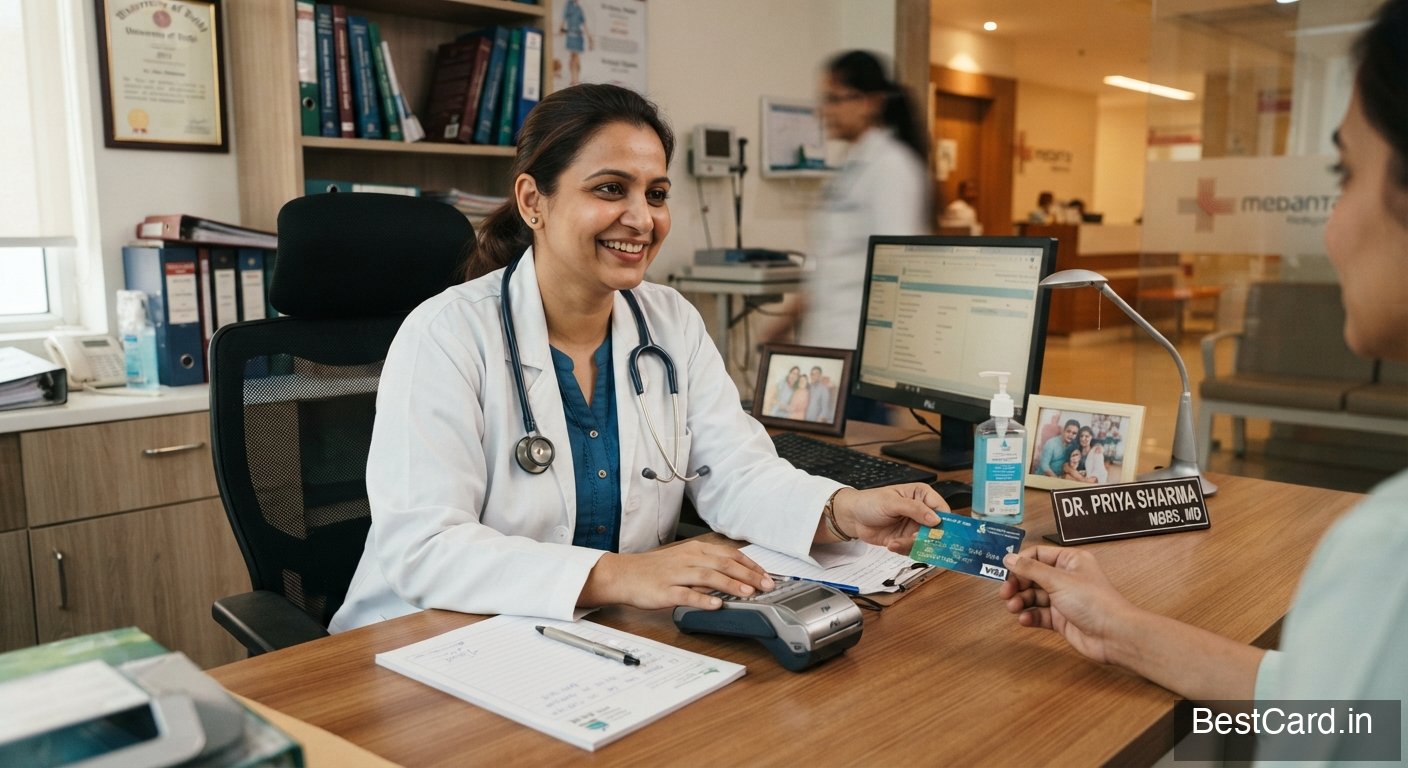
If you run an independent practice rather than drawing a hospital salary, expect to submit your medical council registration certificate, practice ITRs, and clinic or hospital affiliation proof in place of a salary slip. This puts you in a similar documentation position to other self-employed applicants — the process is more paperwork-heavy than a salaried application, but the profession-specific relaxed underwriting usually offsets that.
Matching the card to your spending
Doctors with steady high income are often better served by a rewards or travel card than a basic cashback one — see our guide on best travel credit cards with lounge access if you travel for conferences or continuing education. If your spending is more evenly split across day-to-day categories, a flat-rate cashback card is simpler to manage and doesn't require tracking bonus categories.
Where to go from here
Check your CIBIL score before applying, since profession-based relaxed eligibility still doesn't override a poor credit history, and read our annual fee waiver guide to make sure you're hitting the spend thresholds that keep a premium doctor's card free.