Best Credit Cards for Self-Employed and Business Owners in India
20 February 2026 · BestCard Editorial Team
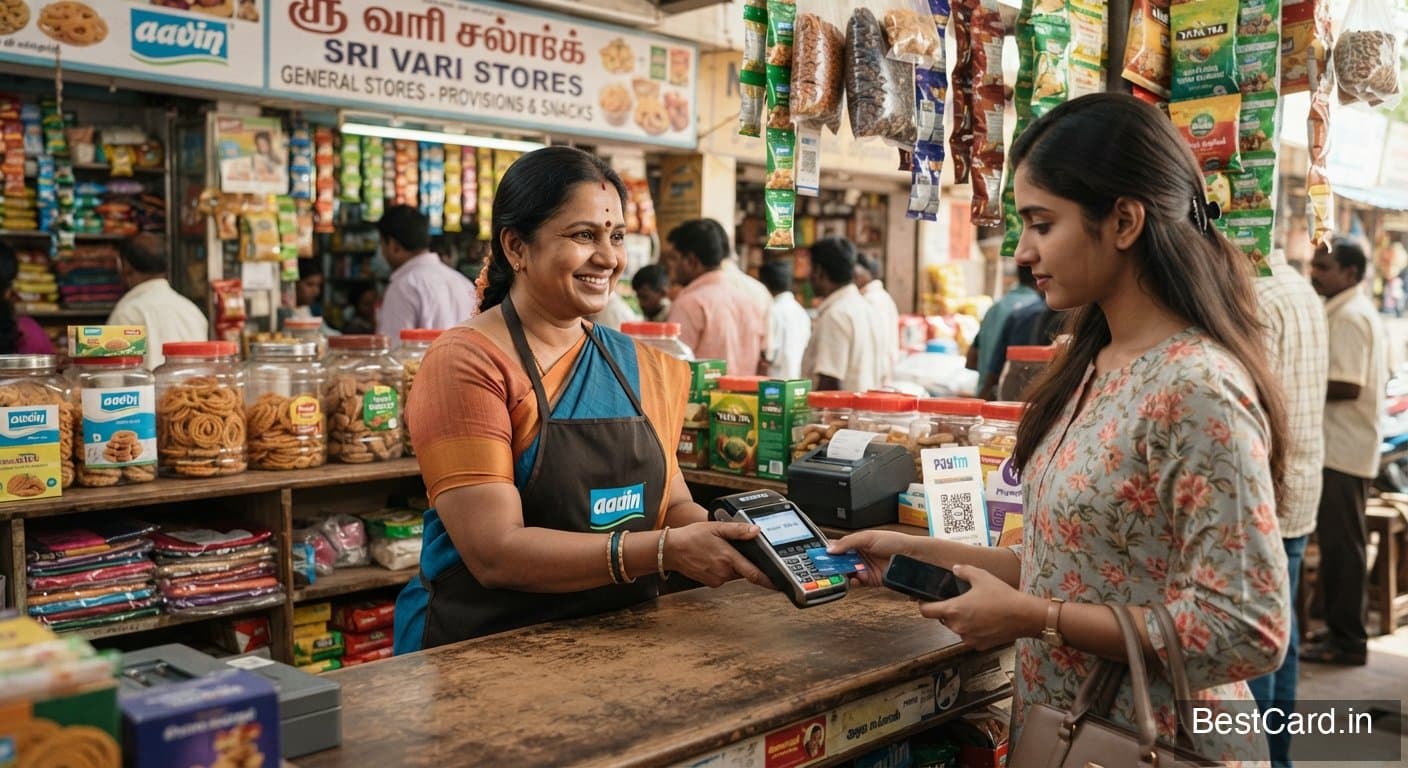
Self-employed applicants — shop owners, consultants, small business operators — sit in an odd spot with most credit card underwriting. You may have more disposable income than a salaried applicant, but without a salary slip, banks fall back on ITRs, business proof, and bank statements to assess you, and not every issuer handles that process equally well.
What issuers actually look for
Where a salaried applicant just needs a salary slip and Form 16, self-employed applicants typically need two to three years of ITRs, business registration documents (GST certificate, shop license, or incorporation certificate depending on structure), and bank statements showing consistent business turnover. Inconsistent revenue is the biggest red flag for underwriters — a business with volatile month-to-month income looks riskier on paper even if the annual numbers are strong, so smoothing that narrative with clean documentation matters more than the income figure itself.
Cards and issuers worth targeting
Most major issuers offer a card explicitly positioned for self-employed or business applicants — ICICI Bank, HDFC Bank, and Axis Bank all have tiers that accept ITR-based income proof rather than requiring a salary slip. Axis Bank's business-focused cards in particular are worth a look if you already run current account banking with them, since an existing relationship tends to smooth approval significantly. IDFC FIRST Bank and RBL Bank also have a track record of being more flexible with self-employed and gig-adjacent applicants — see our freelancer credit cards guide for more on that segment specifically.
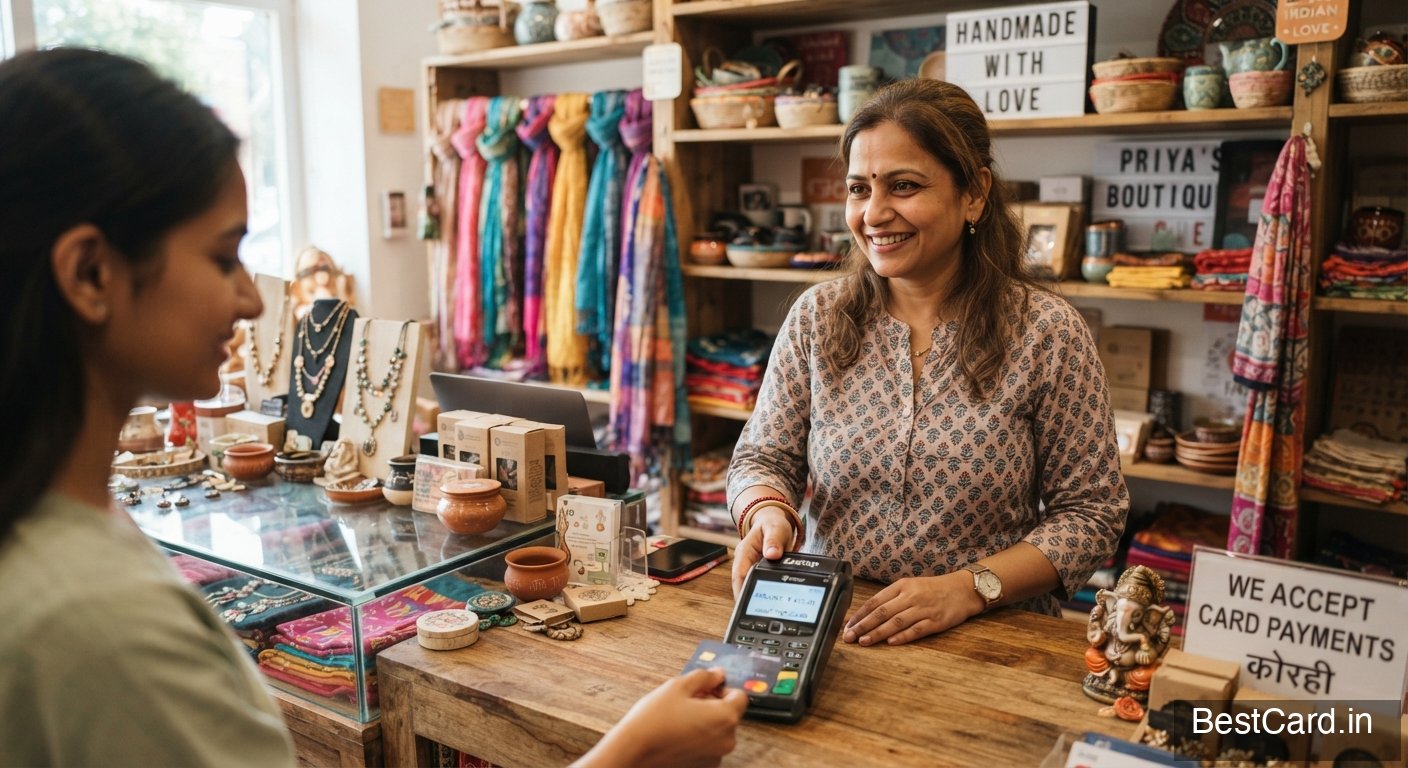
Matching the card to business spending
If your spending is dominated by supplier payments, fuel for logistics, or recurring vendor bills, a category card that rewards those specifically will out-earn a flat-rate card over a year, even if it's worse everywhere else. Check our guide on fuel surcharge waivers if fuel is a major cost center, and our EMI conversion guide if you occasionally need to spread large equipment or inventory purchases over a few months rather than paying in full.
Building credit if your documentation is thin
If your business is newer or your documentation doesn't yet meet an issuer's bar, a secured credit card against a fixed deposit is the most reliable way in — approval isn't tied to income proof at all, and consistent repayment builds the credit history that makes an unsecured card easier to get later. Keep an eye on your CIBIL score throughout this process, since it becomes the deciding factor once you do have enough history to apply for an unsecured card.
Where to go from here
Read our credit card vs personal loan comparison if you're weighing a card against a loan for business expenses, and check how to increase your credit card limit once you've built a few months of history with steady repayment.