
Credit Card Wallet Load Charges Explained: Fees and Rewards
17 September 2026 · BestCard Editorial Team
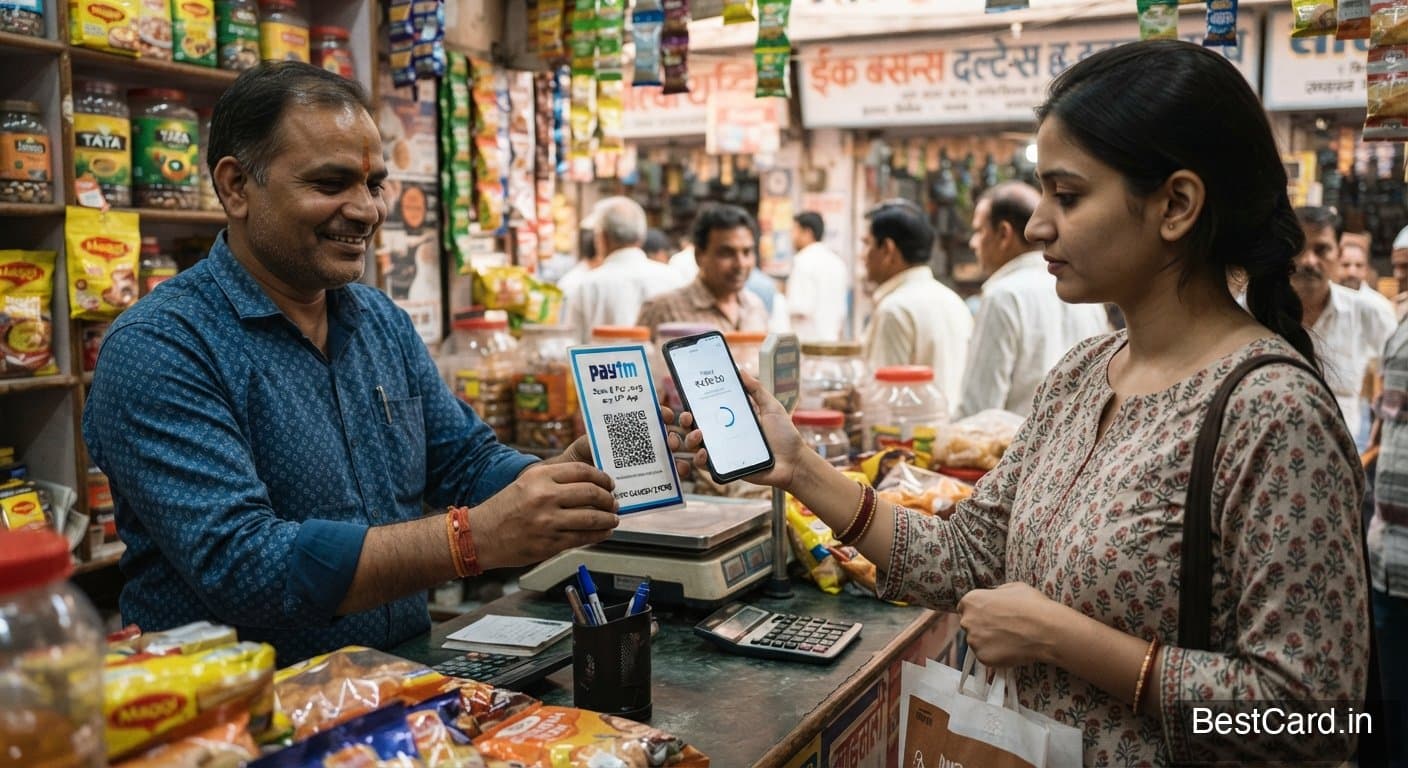
Credit card wallet load charges are fees some banks add when you use a credit card to top up a digital wallet like Paytm, Amazon Pay or PhonePe. Many issuers also give no reward points on wallet loads, and some no longer count them towards milestones or fee waivers. For most people, that makes paying the merchant directly with the card cheaper than routing money through a wallet.
What counts as a wallet load
A wallet load is any transaction where your card moves money into a prepaid instrument rather than paying for goods or services. Common examples:
- Adding money to Paytm, Amazon Pay, PhonePe or MobiKwik wallets
- Topping up a prepaid card or gift card balance
- Loading a travel or transit wallet
Banks identify these by the merchant category code (MCC) of the wallet provider. The card network tags the transaction as a prepaid load, and the bank's rules for that category kick in automatically. You can't avoid the tag by loading through a different app if the end recipient is still a wallet.
Why banks charge for wallet loads
Wallet loads look like cash to a bank. Money goes from your credit line into a balance you can spend anywhere, send to friends, or in some cases move on. Banks pay interchange-related costs on these transactions while earning little, and loads were widely used to farm reward points or create cash-like liquidity. Fees and reward exclusions are how issuers discourage that.
Fees: how they're structured
Wallet load fees are set by each issuer in its schedule of charges, and they change. The common pattern is:
- A percentage fee on the load amount, sometimes only above a monthly threshold
- 18% GST on the fee itself, as with all card fees and charges in India
- The fee showing up on your statement as a separate line, usually in the same cycle
BestCard's card data doesn't track wallet-load fees for each card, so we won't list bank-by-bank rates. Check the Most Important Terms and Conditions (MITC) or schedule of charges on your issuer's site. Our guide on hidden credit card charges covers where to find them.
Worked example (illustrative)
Suppose your bank charges 1% on wallet loads above its threshold, and you load ₹20,000 in a month that's fully above the limit.
- Fee: 1% × ₹20,000 = ₹200
- GST: 18% × ₹200 = ₹36
- Total cost: ₹236
If your card earns 1.5% elsewhere but nothing on wallet loads, you also lose ₹300 in rewards you'd have earned paying merchants directly. The real cost of that load is ₹536, or about 2.7% of the amount. Swap in your own bank's rate to see your number.
Rewards: wallet loads usually earn nothing
Even where there's no fee, wallet loads rarely earn rewards. Examples from BestCard's latest card data:
| Card | Wallet load treatment |
|---|---|
| HDFC Swiggy | Excluded from all reward earning, along with fuel, rent, EMI and jewellery |
| Kotak Air+ | Excluded from base earning |
| ICICI 1838 Reserve | No points on e-wallet loads |
| SBI Eternal | Wallet and prepaid-instrument loads excluded from cashback |
| Kotak UPI RuPay | Rewards exclude wallet loads |
| Union Bank RuPay Select | Exception: up to ₹50/month cashback on wallet loads of ₹500 or more |
Union Bank RuPay Select is the rare card that actively rewards wallet loads, though the ₹50 monthly limit keeps it small. Some cards, such as Bank of Baroda's micro-enterprise business card, don't allow wallet loading at all.
Milestones and fee waivers
The quieter change is that wallet loads are being dropped from spend that counts towards benefits. On Axis Select, from 1 Oct 2026, spends on wallets (along with rent, fuel, insurance, utilities and several other categories) no longer count towards the ₹3 lakh annual spend that doubles its Priority Pass visits. If you were planning to reach a milestone by loading a wallet, check whether those loads still qualify.
How to spot a wallet load on your statement
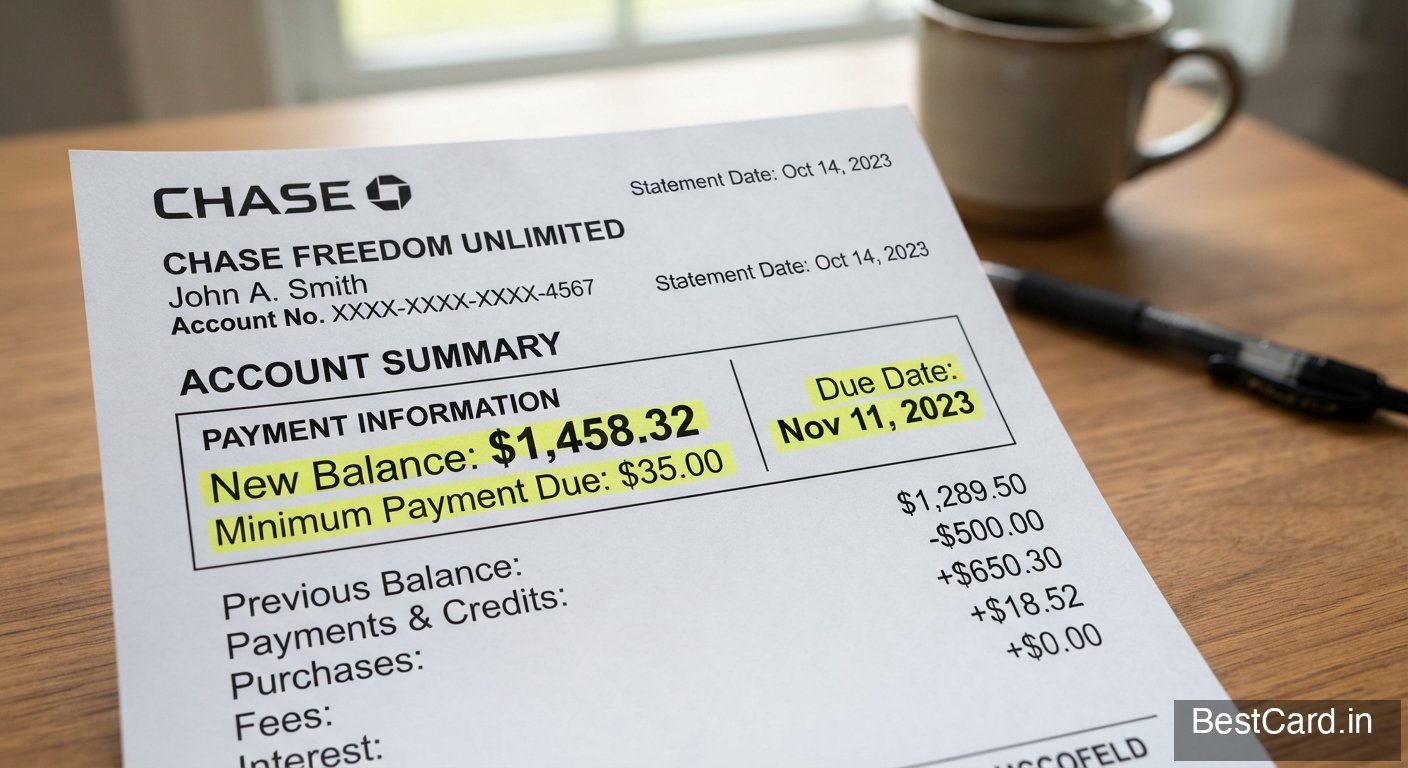
Wallet loads usually appear under the wallet provider's merchant name rather than the shop where you later spent the money. Any fee shows up as a separate line, often labelled as a wallet or prepaid load charge, with GST on the next line. If you see a small charge you don't recognise in the same cycle as a top-up, that's likely it. Raise it with the bank quickly if you believe it was applied in error.
When a wallet load still makes sense
There are a few cases where loading can be worth it:
- A wallet-only offer where the cashback or discount clearly beats the fee plus lost rewards.
- A merchant that only accepts wallet payments and not cards, though this is less common now.
- A card that rewards wallet loads, like Union Bank RuPay Select within its ₹50 cap.
In each case, do the sum: offer value minus fee, GST and the rewards you'd have earned paying directly.
Better alternatives
- Pay the merchant with your card directly. You earn rewards and skip wallet fees.
- Use a RuPay credit card on UPI. Most UPI merchants now accept RuPay credit cards, so you can pay at QR codes without loading a wallet. See our RuPay credit cards on UPI guide.
- Use UPI Lite from your bank account for tiny payments. Our comparison of UPI Lite vs credit card on UPI explains when each fits.
Common mistakes
- Assuming wallet loads earn points. On most cards they don't.
- Loading to hit a fee waiver. It may not count, and you pay a fee for the privilege.
- Ignoring GST. It applies to every fee, which adds 18% to the headline charge.
- Not reading the statement. Fees can appear as small separate lines and go unnoticed for months.
The reward treatments above reflect BestCard's latest card data. Banks revise exclusion lists regularly, so confirm the current terms with your issuer before relying on any wallet load.
If you top up wallets often because your current card doesn't work where you shop, a better-fitting card is the real fix. The BestCard matcher can find one based on where your money actually goes.
Frequently asked questions
Do banks charge a fee for loading a wallet with a credit card?
Many issuers charge a percentage fee on wallet loads, often above a monthly threshold, and 18% GST applies on top of any such fee. The exact rate and threshold differ by bank, so check your card's schedule of charges.
Do wallet loads earn credit card reward points?
Usually not. Many cards exclude wallet loads from rewards entirely, including HDFC Swiggy, Kotak Air+, ICICI 1838 Reserve and SBI Eternal in BestCard's data.
Is loading Paytm or Amazon Pay with a credit card a good idea?
Only when the wallet offer is worth more than the fee and lost rewards combined. In most cases, paying the merchant directly with the card is cheaper and earns rewards.
Does a wallet load count towards my fee waiver or milestones?
Often not. Banks increasingly exclude wallet loads from milestone and fee-waiver spend. Axis Select, for example, stopped counting wallet spends towards its ₹3 lakh lounge milestone from 1 Oct 2026.
Related reading
- Dynamic Currency Conversion Explained: Always Pay Local
Dynamic currency conversion explained: why paying in rupees abroad costs more, a worked example, how to spot DCC at terminals and ATMs, and which cards help.
- Credit Card Utility and Education Transaction Fees Explained
How credit card fees on utility bills and education payments work in India, when they apply, how GST adds to them, and practical ways to avoid or reduce them.
- GST on Credit Card Fees and Charges Explained (2026)
Which credit card charges attract 18% GST in India, from annual fees and interest to forex markup and late fees, with rupee examples and ways to pay less.