
Credit Card Chargeback for Flight Cancellation: India Guide
27 September 2026 · BestCard Editorial Team
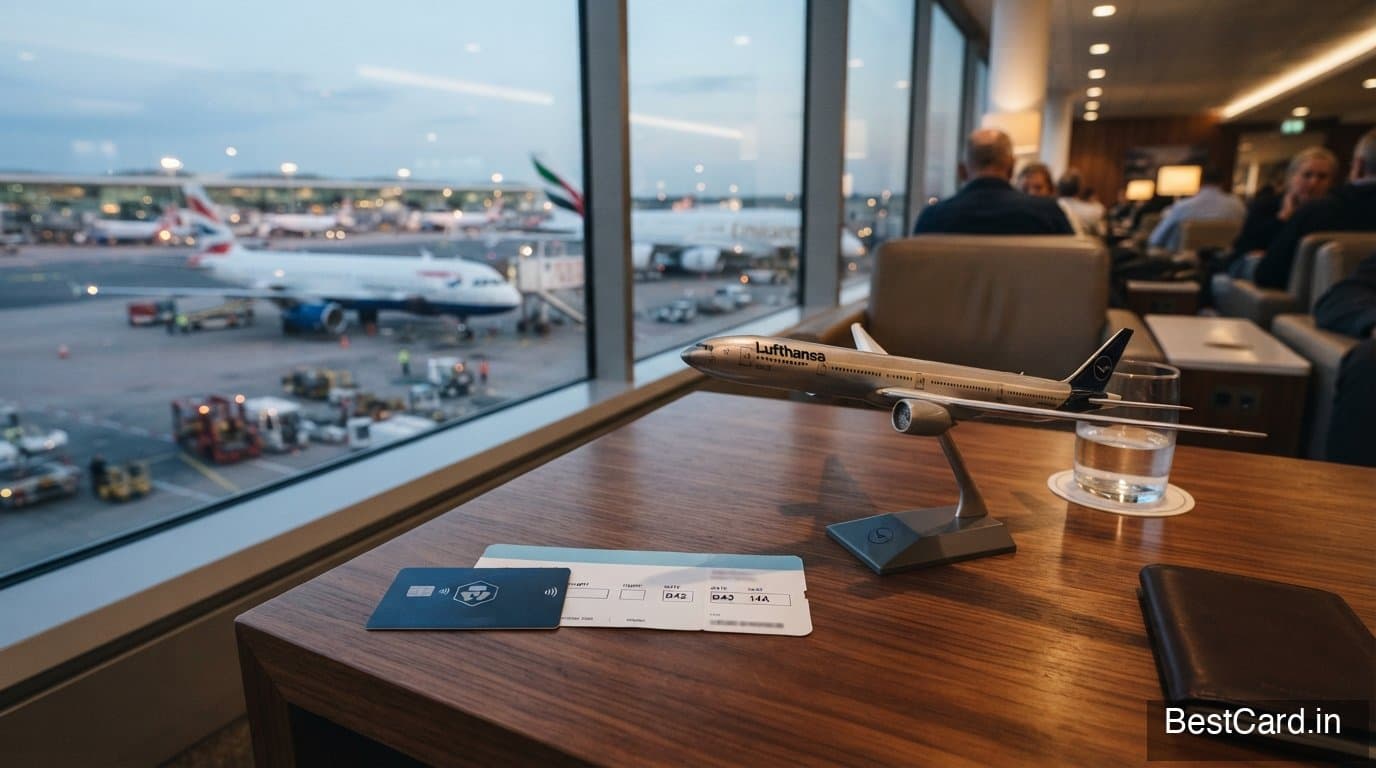
If an airline or travel portal cancels your flight and doesn't refund you, a credit card chargeback lets you claim the money back through your bank. Ask the airline or portal for a refund first, give it a reasonable time, keep every email and screenshot, then raise a dispute with your card issuer under "services not provided". Chargebacks work best when the airline cancelled. If you cancelled, the fare rules decide what you get back.
Refund first, chargeback second
A chargeback is a backstop, not a shortcut. Card networks expect you to try the merchant first, and banks often ask for proof that you did. Here's the order to follow:
- Request a refund from whoever you paid. If you booked through MakeMyTrip, Cleartrip or another OTA, the OTA is the merchant on your card statement, not the airline.
- Refuse a credit shell if you want cash back. When the airline cancels, DGCA's passenger rules treat a credit shell as the passenger's choice. Say clearly, in writing, that you want a refund to the original card.
- Wait the stated refund timeline. DGCA rules set refund timelines for airlines (shorter for card payments made directly to the airline, longer when booked through an agent or portal). Check the current DGCA passenger charter for the exact days.
- If nothing arrives, raise a chargeback.
Our refund timeline guide explains how long a refund takes to reach your card once it's processed.
When a chargeback works
| Situation | Chargeback likely? |
|---|---|
| Airline cancelled, no refund after the stated timeline | Yes |
| Airline stopped operating or went insolvent | Yes, often the only route |
| Airline forced a credit shell you didn't accept | Usually yes |
| OTA cancelled your booking but kept the money | Yes |
| You cancelled and got the refund the fare rules allow | No |
| You cancelled a non-refundable fare | No |
| Flight delayed but operated | Generally no; use the airline's compensation process |
| Charged twice for the same booking | Yes, as a duplicate transaction |
The clearest real-world example was Go First's collapse in 2023. Thousands of passengers holding tickets for flights that would never operate went to their card issuers for chargebacks, because the airline itself couldn't pay refunds. People who'd paid by credit card had a route to recovery that cash or UPI payers didn't.
The time limit
Visa, Mastercard, RuPay and Amex each set dispute deadlines. For services not provided, the window is commonly around 120 days, and for future travel it's often counted from the date the service was due rather than the booking date. The exact rules vary by network and reason code, and banks set their own internal cut-offs, so call your issuer and ask for the deadline that applies to you. Don't wait until the last week.
How to raise the chargeback, step by step
- Gather evidence.
- Booking confirmation and e-ticket
- The cancellation message from the airline or OTA
- Your refund request and any replies
- A note that you didn't accept a credit shell, if one was offered
- The card statement line showing the charge
- Contact your card issuer. Use the dispute option in the app or net banking, or call customer care. Choose "services not rendered" or "cancelled service", not "fraud". This wasn't an unauthorised transaction.
- Fill in the dispute form. Keep it short and factual: date booked, amount, flight number, date cancelled, refund requested on what date, no refund received.
- Note the reference number. You'll need it for follow-ups.
- Check for a temporary credit. Many banks post a provisional credit while the dispute is investigated. It may be reversed if the merchant wins.
- Answer any merchant response. The airline or OTA can contest. If it claims it refunded you, ask for the ARN and check your statements.
Our general guide to the credit card dispute and chargeback process and the RBI dispute timelines go into the bank side in more detail.
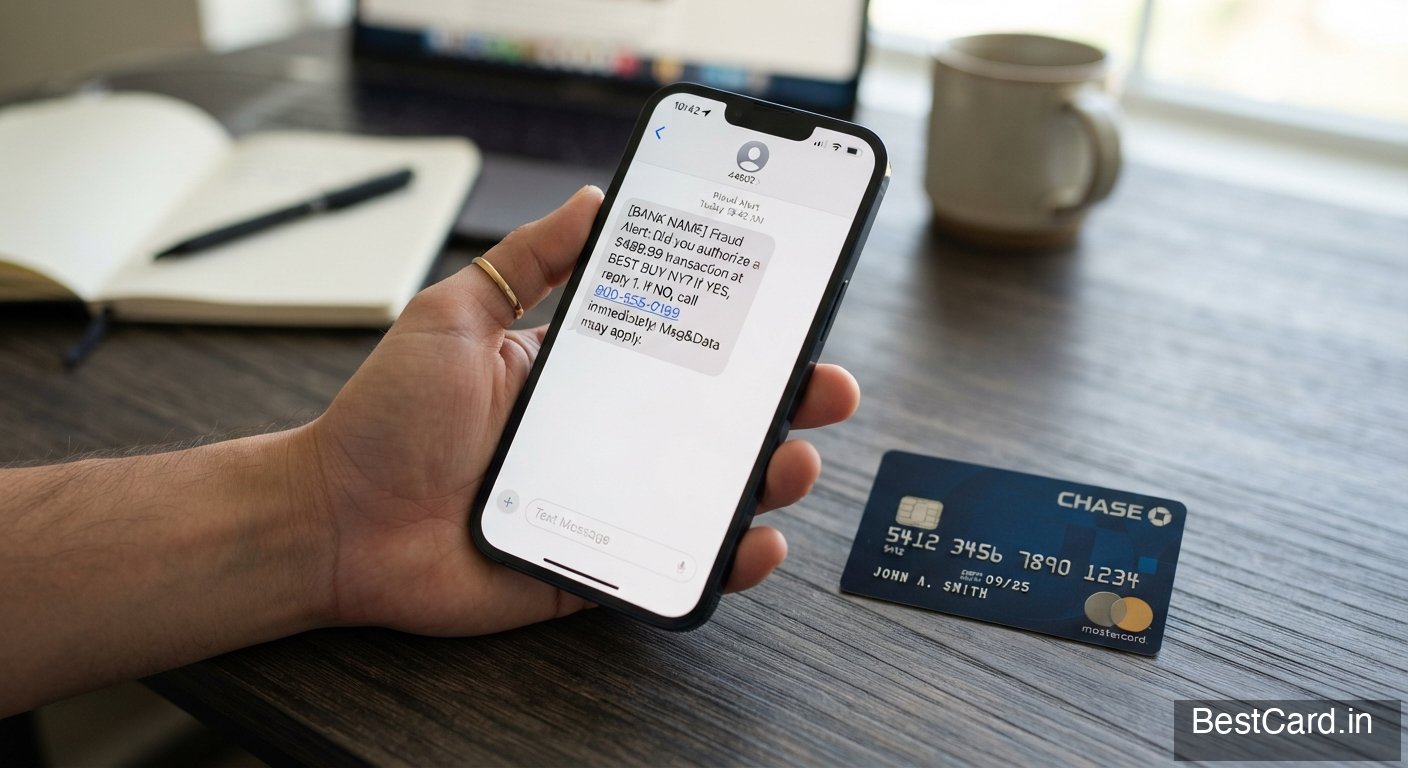
A worked example
You pay ₹18,400 on your credit card through a travel portal for a return flight. Ten days before travel, the airline cancels the outbound leg and offers a credit shell. You reply the same day asking for a refund to your card. The portal says it's "waiting for the airline". Three weeks pass.
You raise a dispute for ₹18,400 under "services not provided", attaching the cancellation SMS, your refund request email and the portal's reply. The bank posts a temporary credit of ₹18,400 and contacts the portal through the network. The portal either refunds within the network's response window, or fails to show the service was provided, and the credit becomes permanent.
If you'd also paid a convenience fee to the portal, include it in the claim. If the only problem is that you cancelled and the airline kept a cancellation charge set by the fare rules, a chargeback won't recover that charge.
What about partly used tickets?
If one leg of a return booking was cancelled and you flew the other, dispute only the unused portion. Asking for the full amount on a partly used ticket will usually get the dispute rejected.
Card features that help
Some cards include travel insurance that covers trip cancellation or missed connections, which can pay out even where a chargeback wouldn't. Coverage varies a lot by card and needs the ticket bought on that card. Our purchase protection and insurance explainer explains what to look for. Cards built for travel booking, like the MakeMyTrip ICICI Bank Credit Card or the Federal Bank Scapia, also make it simpler to track bookings and refunds in one place. Benefits change, so read the current insurance terms on the issuer's site; the card details here come from BestCard's latest card data.
Common mistakes
- Paying by UPI or debit card for big bookings. Credit cards give you the strongest dispute rights and keep your own money out of the fight.
- Accepting a credit shell by clicking a link. That can be treated as agreement. Reply in writing instead.
- Filing it as fraud. It slows things down and is the wrong reason code.
- Raising the chargeback the day after cancellation. Give the airline or portal a fair chance first.
- Missing the deadline. Ask your bank early.
- Ignoring the bill. Pay your statement while the dispute runs. The disputed amount is usually kept aside, but check with the bank.
The bottom line
When an airline or travel portal cancels and doesn't pay, a credit card chargeback is your strongest tool. Ask for a refund in writing, refuse a credit shell you don't want, keep the evidence, and file under "services not provided" before the network deadline. DGCA and network rules change, so confirm the current ones with your bank, the airline and DGCA. If you book a lot of travel and want a card with useful travel cover, the card matcher can help you find one.
Frequently asked questions
Can I get a chargeback if my flight is cancelled?
Yes, if the airline or travel portal cancelled the flight and hasn't refunded you after a fair chance. A chargeback is a claim through your card issuer for services you paid for but didn't receive.
How long do I have to raise a chargeback for a cancelled flight?
Card network rules set the window, and it's commonly around 120 days, often counted from the scheduled travel date for services not provided. Your bank will confirm the exact deadline, so raise it as early as possible.
Can I file a chargeback if I cancelled the flight myself?
Generally not for the full fare. If you cancelled, the fare rules decide your refund. A chargeback only helps if the airline or portal fails to pay the refund those rules promise.
Do I have to accept a credit shell instead of a refund?
When the airline cancels, DGCA's passenger rules treat a credit shell as optional for the passenger, so you can usually ask for a refund instead. Check the current DGCA rules and the airline's conditions of carriage.
Related reading
- Credit Card International Usage: How to Enable and Control It
How to switch on international usage on your credit card, set online, ATM and contactless limits, and avoid declined payments, forex surprises and fraud abroad.
- Dynamic Currency Conversion Explained: Always Pay Local
Dynamic currency conversion explained: why paying in rupees abroad costs more, a worked example, how to spot DCC at terminals and ATMs, and which cards help.
- IDFC FIRST WOW! Black Review 2026: A Secured Travel Card
IDFC FIRST WOW! Black review: an FD-secured card with 0% forex markup, up to 16.7% value-back on travel, lounge access, a ₹750 fee and who should get it.