Credit Card Strategy for Monsoon Season Shopping
1 July 2026 · BestCard Editorial Team
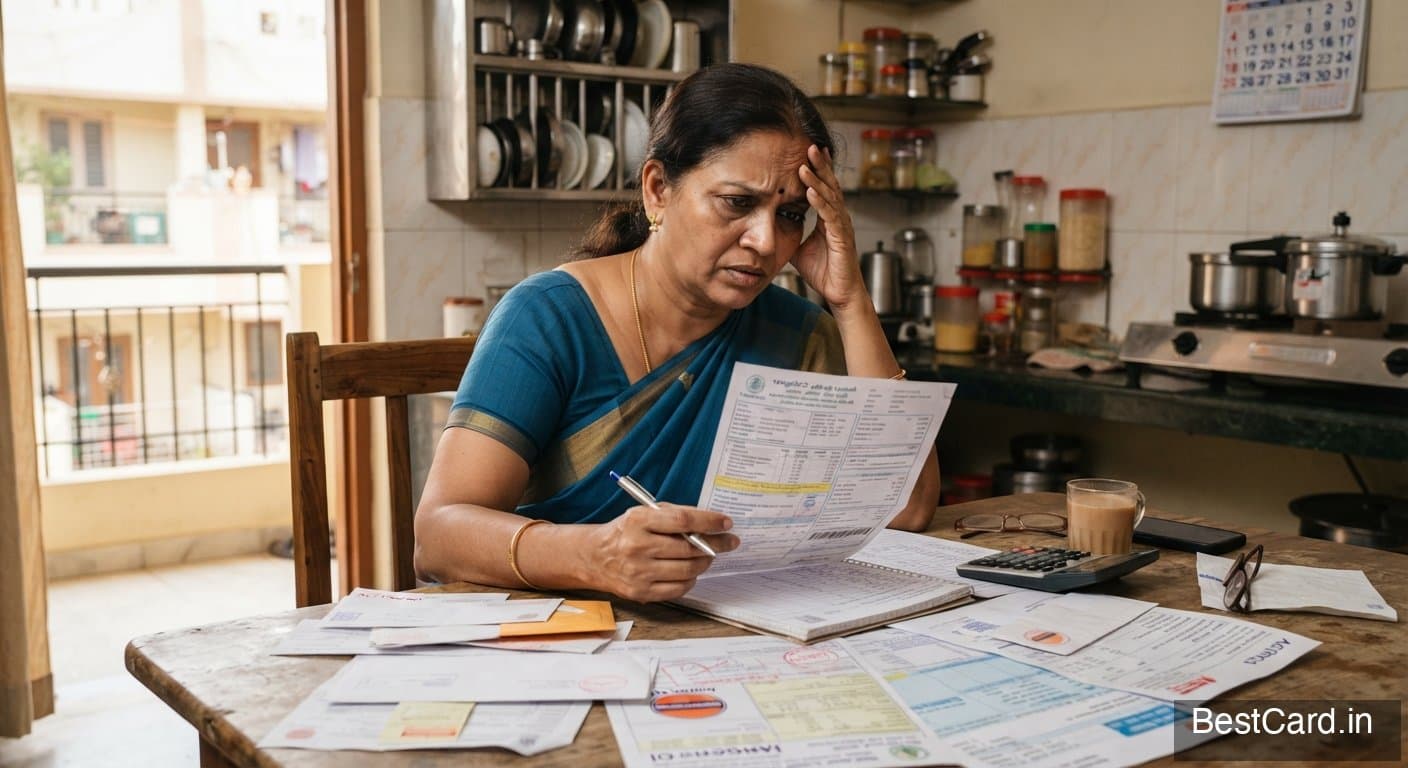
Monsoon season in India comes with its own predictable spending pattern — waterproofing for the home, vehicle servicing, appliance repairs from humidity damage, and a spike in food delivery and online shopping as people stay in more. None of it is glamorous, but handled with the right card, it doesn't have to be expensive either.
Home repairs and appliance servicing
Waterproofing work, plumbing fixes, and appliance servicing are often unplanned expenses that show up as a lump sum. If the amount is large, checking whether the vendor accepts card payment (rather than defaulting to cash) at least gets you rewards on an expense you'd have to pay anyway. For genuinely large repair bills, a no-cost EMI conversion can also help spread the cost, though it's worth reading our no-cost EMI credit card traps guide first to make sure the offer is what it claims to be.
Increased food delivery and OTT spending
Monsoon months typically see a jump in food delivery and streaming subscription usage as people spend more time at home. If this is a recurring pattern for you, it's worth checking whether your card has any category-specific cashback for food delivery or OTT — our best credit card for OTT subscription cashback guide covers which cards specifically reward this kind of spending.
Vehicle servicing and insurance renewals
Vehicle servicing costs often spike after monsoon-related wear, and insurance premiums sometimes fall due around the same period. Paying insurance premiums via credit card can occasionally earn accelerated rewards depending on the issuer — see our best credit card for insurance premium payments guide for specifics.
Avoid the minimum due trap during a heavy-spend month
A month with several unplanned expenses is exactly when the temptation to pay only the minimum due shows up, and it's exactly when that decision is costliest — interest accrues on your full outstanding balance, not the unpaid portion. Our minimum due trap guide explains the mechanics in detail, and it's worth revisiting before a month where spending has run ahead of plan.
Keep some buffer on your limit
Unplanned monsoon expenses are, by definition, not budgeted for, so keeping some headroom on your credit limit through this season avoids a maxed-out card right when you need it most. If you're consistently running close to your limit, our how to increase your credit card limit guide covers how to request a raise before the season starts, not after you're already stretched.
The practical takeaway
Monsoon spending is predictable in shape even if the specific expense isn't. Plan for it, route it through whichever card rewards the category best, and above all, pay the statement in full rather than sliding into minimum-due payments during a heavier month.